
Ford diesel trucks
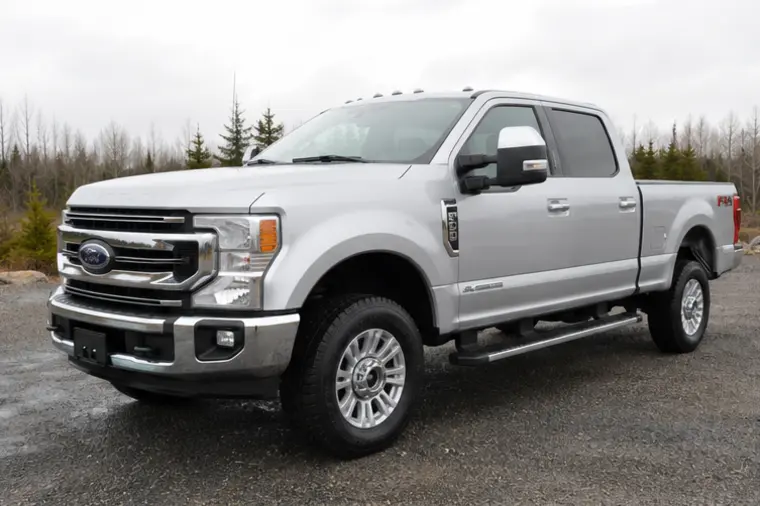
F-250, F-350 and F-450 pickups
Start with the model year. The 7.3L, 6.0L, 6.4L and 6.7L engines belong to different used-buying histories; a Super Duty badge alone does not identify the powertrain.
Power Stroke engine researchTHE CANADIAN DIESEL BUYER’S GUIDE
Compare Ford Power Stroke, RAM Cummins and Chevrolet or GMC Duramax trucks by class, engine generation and real workload. Start with what you need to carry and tow, then narrow the model year and inspect the individual truck.
This guide covers diesel pickups and commercial chassis cabs in Canada, from half-ton daily drivers to dedicated work trucks.
Model, engine, reliability and specification research answer different questions. Use the overview to identify the truck, then follow the relevant technical or buying guide. A general model description cannot establish a particular truck’s condition or replace its configuration-specific rating.
| Your question | What to establish | Start here |
|---|---|---|
| Which truck class fits? | Compare the load and body requirements before picking a badge. | Truck classes and applications |
| Which engine version is this? | Connect year, engine code and transmission to the right literature. | Engine and generation guides |
| Can this configuration tow my trailer? | Use the correct configuration row, loaded hitch weight and truck labels. | Towing evidence and calculations |
| What should the shop inspect? | Translate records, modifications and observed concerns into a specific inspection brief. | Pre-purchase inspection guide |
| What does a recall establish? | Separate an affected population from current VIN applicability and completion. | Canadian recall research |
| What will ownership cost? | Use the same distance and ownership period, then add known work and service needs. | Ownership cost planner |
A source date and a model year serve different purposes. A manufacturer page checked today may describe a current truck; an older truck still needs its own manual and specifications. Where a guide quotes a year-specific example, retain that year and configuration when using the number.
Build a small purchase file as you research: identification, the documents behind the ratings, service invoices, recall lookup results and the shop’s findings. It makes comparisons between two candidates much easier to assess. Return to the diesel truck overview to compare the broader pathways or browse truck configurations once your brief is clear.
UNDERSTAND THE LINEUPS
Power Stroke, Cummins and Duramax are starting points for research, not interchangeable specifications. The truck’s model year, engine version and transmission matter as much as the name on the fender. These are model families to research; diesel availability varies by year, market and configuration.
F-250, F-350 and F-450 pickups
Start with the model year. The 7.3L, 6.0L, 6.4L and 6.7L engines belong to different used-buying histories; a Super Duty badge alone does not identify the powertrain.
Power Stroke engine research
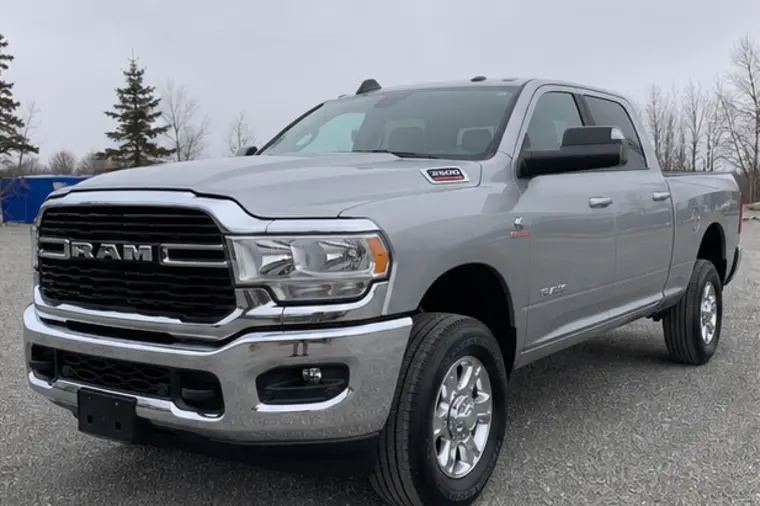
2500 and 3500 pickups
Separate older 5.9L trucks from 6.7L applications, then confirm the transmission and output version. Pickup and chassis-cab configurations require separate research.
Cummins engine research
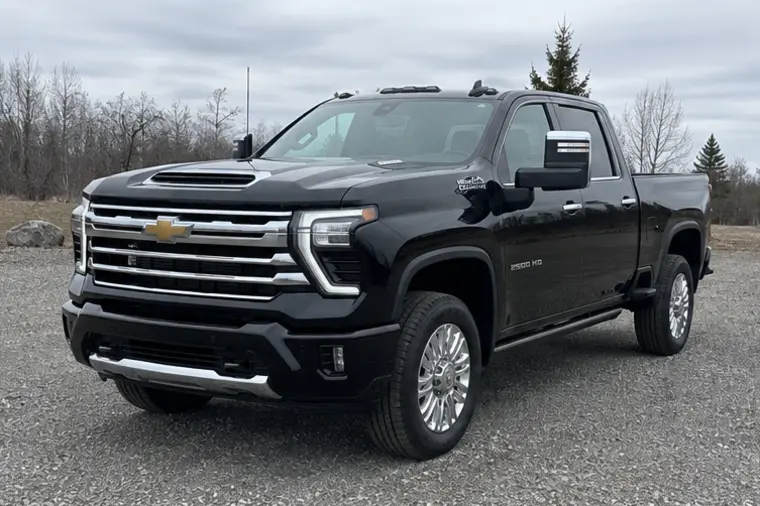
Silverado 1500, 2500HD and 3500HD
The 3.0L diesel in a half-ton and the 6.6L diesel in an HD are different engine families. Within the HD range, use the engine code and year to narrow your inspection.
Duramax engine research
Sierra 1500, 2500HD and 3500HD
Distinguish light-duty and HD applications before comparing trim or comfort. Related Chevrolet and GMC trucks still need their own configuration and condition checks.
Duramax engine researchCompare Power Stroke, Cummins and Duramax · Find the right truck generation · Browse all model guides
START WITH THE LOAD
Write down the loaded trailer weight, hitch type, people, tools and cargo before making a shortlist. “Half-ton,” “three-quarter-ton” and “one-ton” are class labels, not literal payload allowances.
| Your use | Start here | What changes the decision |
|---|---|---|
| Daily driving and lighter trailer work | Half-ton diesel | Start with Silverado or Sierra 1500 research. Check whether the specific truck has enough payload once passengers, cargo and hitch load are aboard. |
| Regular towing and mixed work | Three-quarter-ton pickup | Compare F-250, RAM 2500, Silverado 2500HD and Sierra 2500HD. A higher towing figure does not necessarily leave enough carrying capacity for your load. |
| Heavy pin loads or substantial carried weight | One-ton / dual rear wheel | Compare the actual payload and axle limits of F-350, RAM 3500 and GM 3500HD configurations. Assess a dually’s width and tire costs as well as its load-carrying role. |
| Service body, dump body or dedicated upfit | Chassis cab | Research the completed truck: body, equipment, wheelbase and weight distribution. An F-550 or RAM 5500 is a different application from a pickup with the same engine family. |
MATCH THE OWNERSHIP PATTERN
A diesel deserves consideration when sustained towing or regular loaded work is central to your routine. But compare the complete ownership cost: purchase price, fuel consumption, local pump prices, scheduled service and potential repairs.
For mostly short trips and occasional towing, compare a gas truck that meets the same load requirements. Low annual distance gives fuel savings fewer kilometres over which to offset other costs. Modern diesel aftertreatment also makes the operating pattern relevant.
Compare diesel and gas HD pickupsUse your own driving pattern and local costs. A calculator can clarify your assumptions; it cannot predict the repair history of a used truck.
BUY THE INDIVIDUAL TRUCK
There is no useful universal “safe mileage” or best engine badge. Treat reliability as a question about an exact generation, its service history and the condition of the vehicle in front of you.
Match the VIN, model year, engine, transmission, cab, bed and rear-wheel configuration. Resolve differences between the advertisement, labels and records before applying a towing guide.
Identify the exact truckLook for dated service invoices and repair details. Compare kilometres with engine and idle hours where available, and ask what the truck hauled or carried. A recent repair matters only when its diagnosis and scope are understood.
Read diesel service recordsHave a qualified diesel technician assess starting behaviour, leaks, cooling, transmission operation and scan findings. Ask for an explanation of unresolved faults and previous modifications.
Use the pre-purchase inspection guideCheck the frame, cab mounts, brake and fuel lines, tires, suspension, hitch and any upfit. An appealing engine does not offset a corroded chassis or an unsuitable load configuration.
Inspect rust and corrosionHow to evaluate diesel reliability claims · Open the complete buying checklist
CANADIAN OWNERSHIP
Use the exact owner manual for cold-weather starting, fuel and fluid requirements. Check battery condition and any fitted block heater before winter, and understand how the truck reaches operating temperature in your routine.
Canadian winter diesel guideAsk where the truck has worked and been registered. Inspect road-salt exposure rather than assuming a province or low odometer reading guarantees a clean underbody. Check VIN-specific recalls through official resources.
Canadian recall checksFor a business, an unavailable truck can affect the job as well as the repair bill. Ask about local service support, equipment transfer and a backup vehicle before committing to a specialized configuration.
Plan repair costs and downtimeGO DEEPER
Follow the model, engine or ownership question that matters to your shortlist.
CONFIGURATION INTELLIGENCE
Move from a model badge to the exact configuration, evidence and authoritative documentation needed for a buying or towing decision.
DECISION-FIRST RESEARCH
BUILD YOUR SHORTLIST
Compare the overall fit, towing assignment and used-buying proposition before inspecting a candidate.
Compare diesel pickup choices for daily driving, towing and work. Build a shortlist across Ford, RAM, Chevrolet and GMC using capacity, condition and ownership needs.
Read Best diesel trucks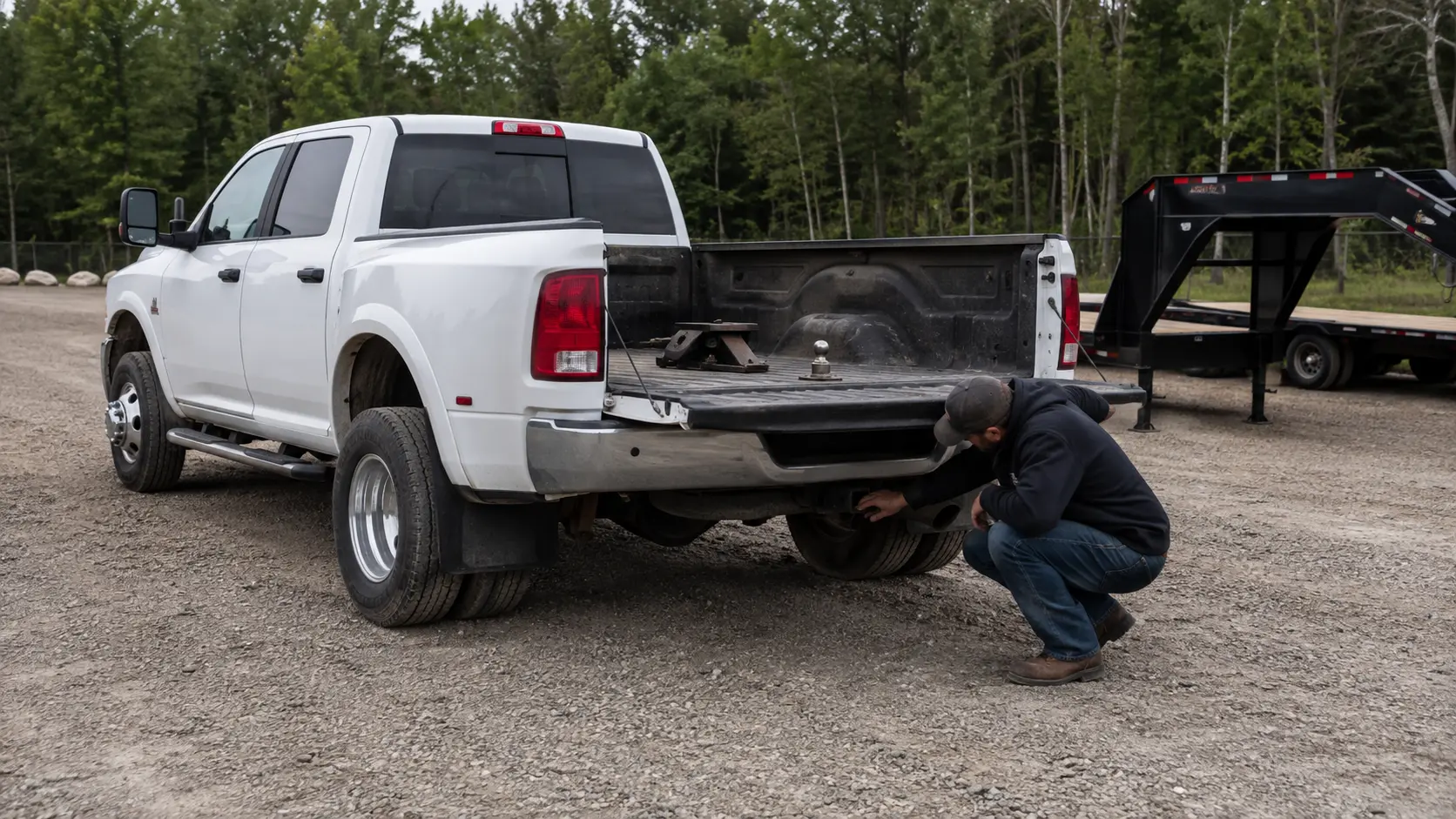
Choose a towing diesel pickup by loaded trailer weight, tongue or pin weight, payload, axle limits and everyday use—not a model-wide advertised maximum.
Read Best diesel truck for towing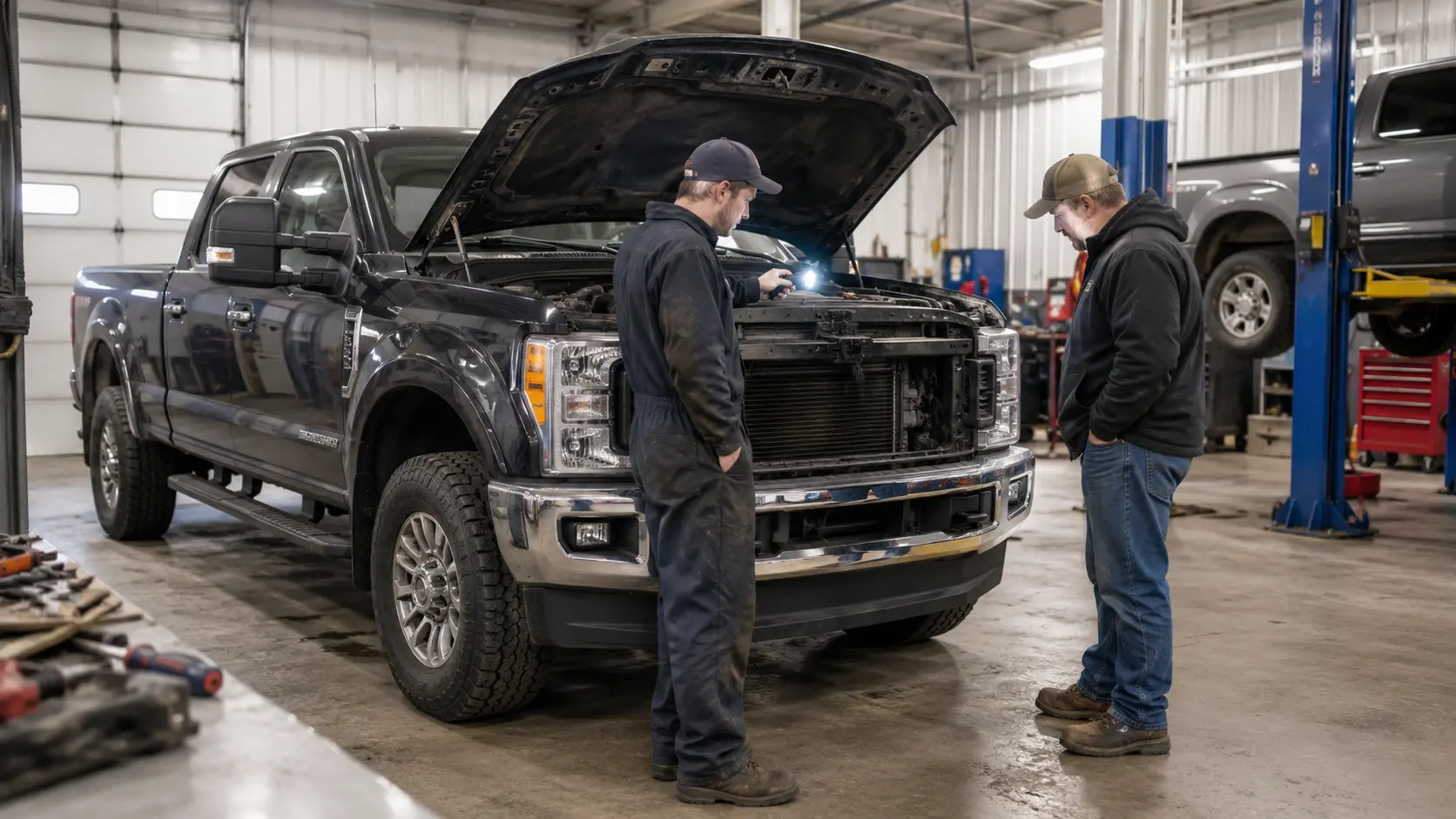
Find the best used diesel pickup for your budget by comparing engine eras, documented condition, towing fit, repairs and first-year ownership costs.
Read Best used diesel truckCompare diesel-truck reliability using engine era, recall status, service history, inspection results and downtime exposure. Avoid unsupported brand and model-year rankings.
Read Most reliable diesel trucksCOMMERCIAL BUYING & RELIABILITY
Plan a working truck, evaluate engine claims and account for the cost of being unavailable.
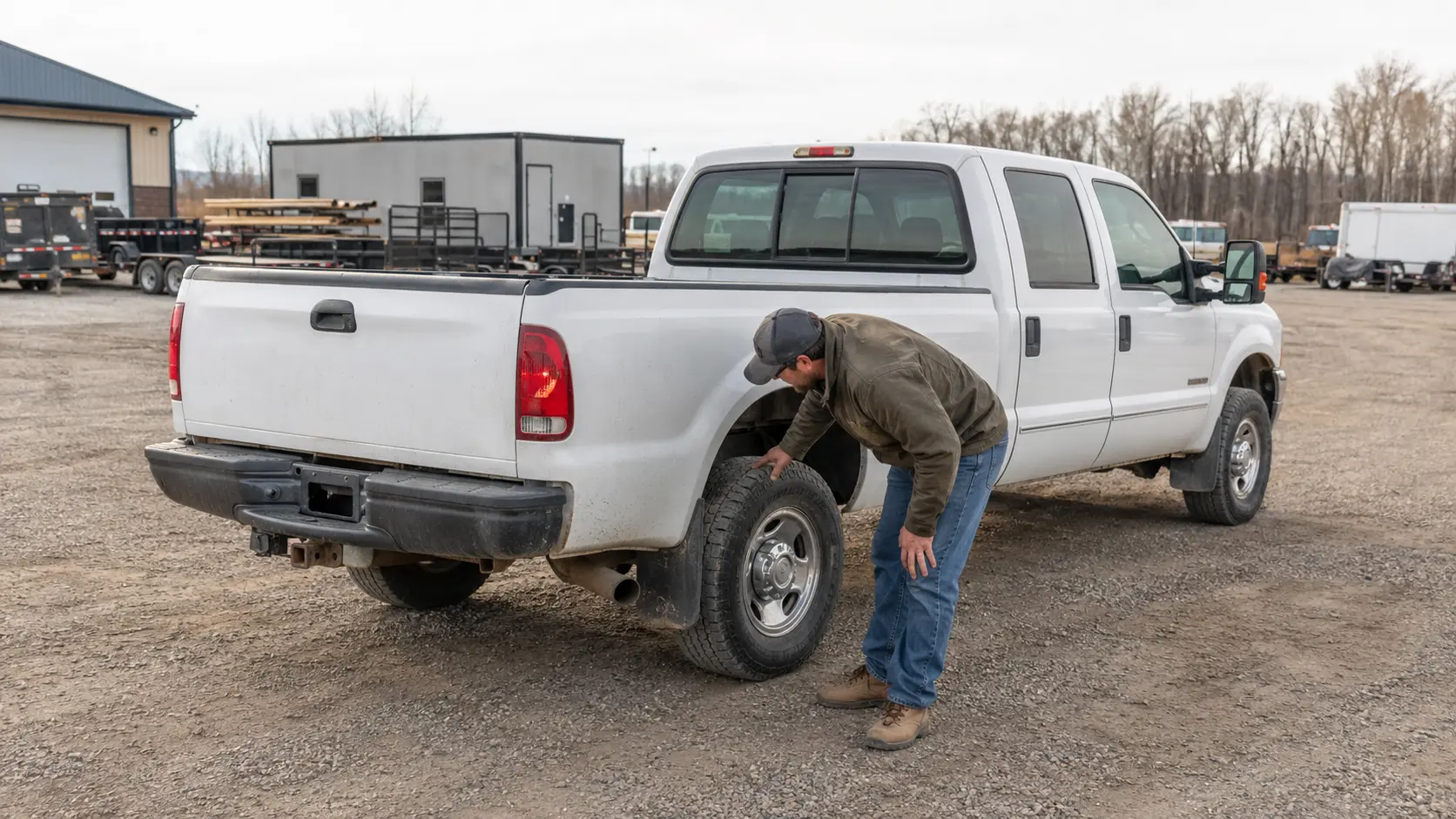
Research diesel pickups for contracting, farming, fleets and other work-focused use.
Read Diesel work trucks
Distinguish recalls, service bulletins, repair invoices and owner anecdotes before accepting a diesel-engine reliability ranking.
Read Diesel Reliability Claims and “Best Years”Build a commercial diesel contingency from written repair quotes, substitute equipment and unavailable workdays without invented average repair costs.
Read Diesel Repair and Downtime Budget for Working TrucksESSENTIAL BUYING GUIDES
Explore engine generations, inspection priorities and load planning before committing to a truck.
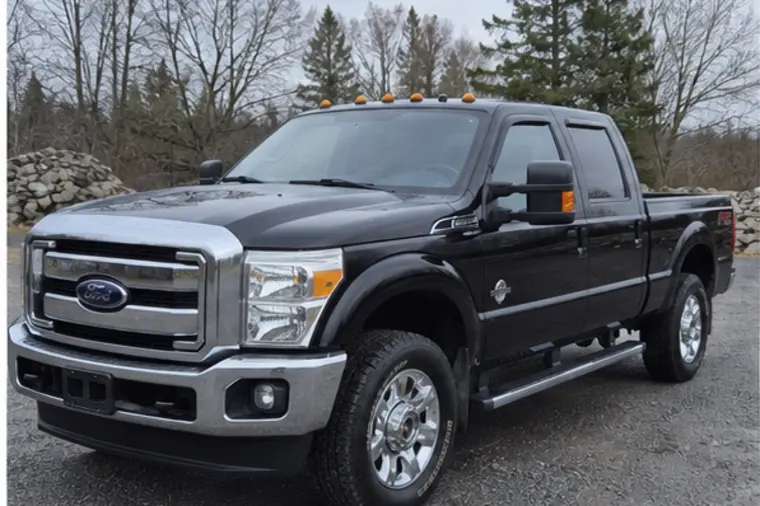
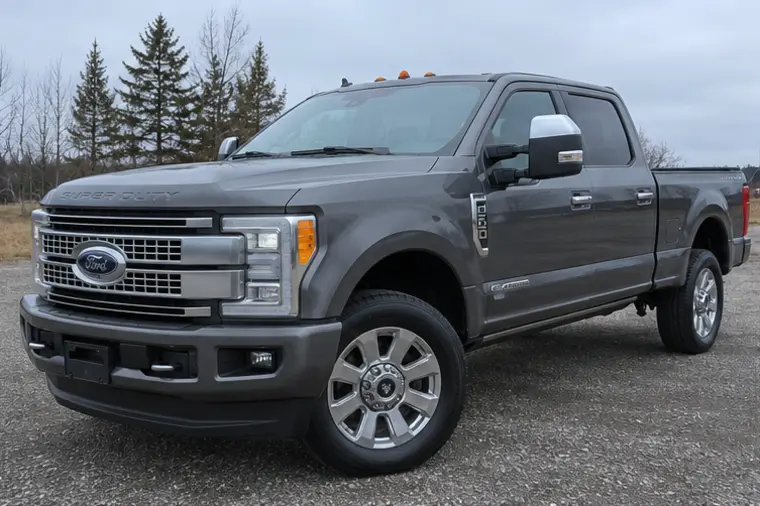
Connect the engine family to Super Duty generation, records, configuration and qualified inspection.
Open Used 6.7L Power Stroke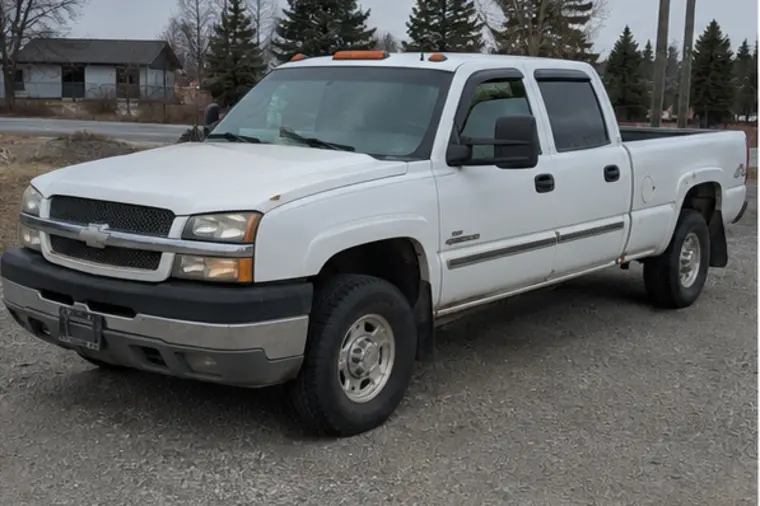
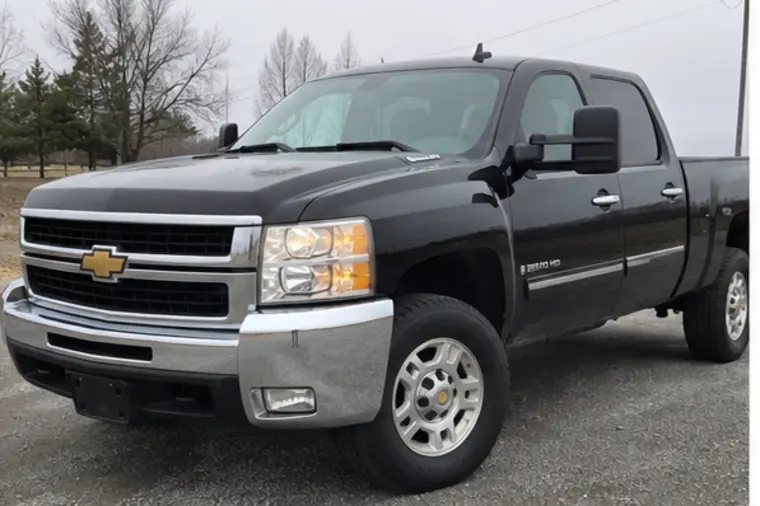
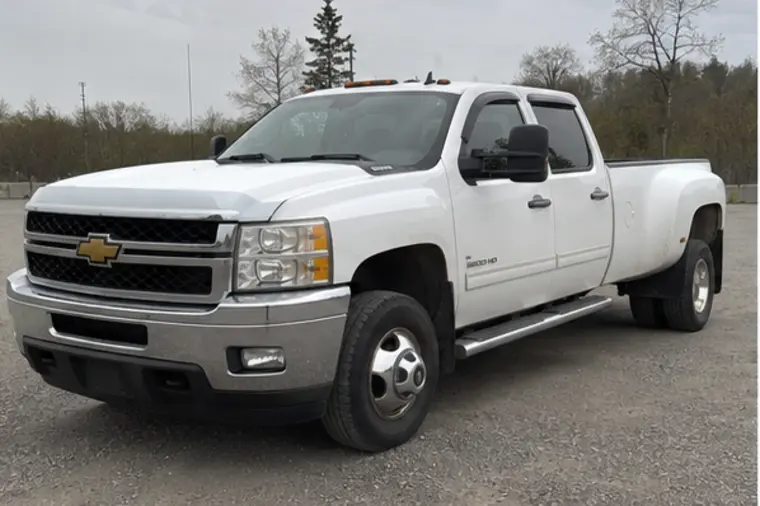
Identify the applicable engine-code and GM HD platform context before comparing used trucks.
Open Duramax Generations
Interpret hours, kilometres, accessories, chassis wear and fleet documentation without blanket assumptions.
Open Former Work Truck Inspection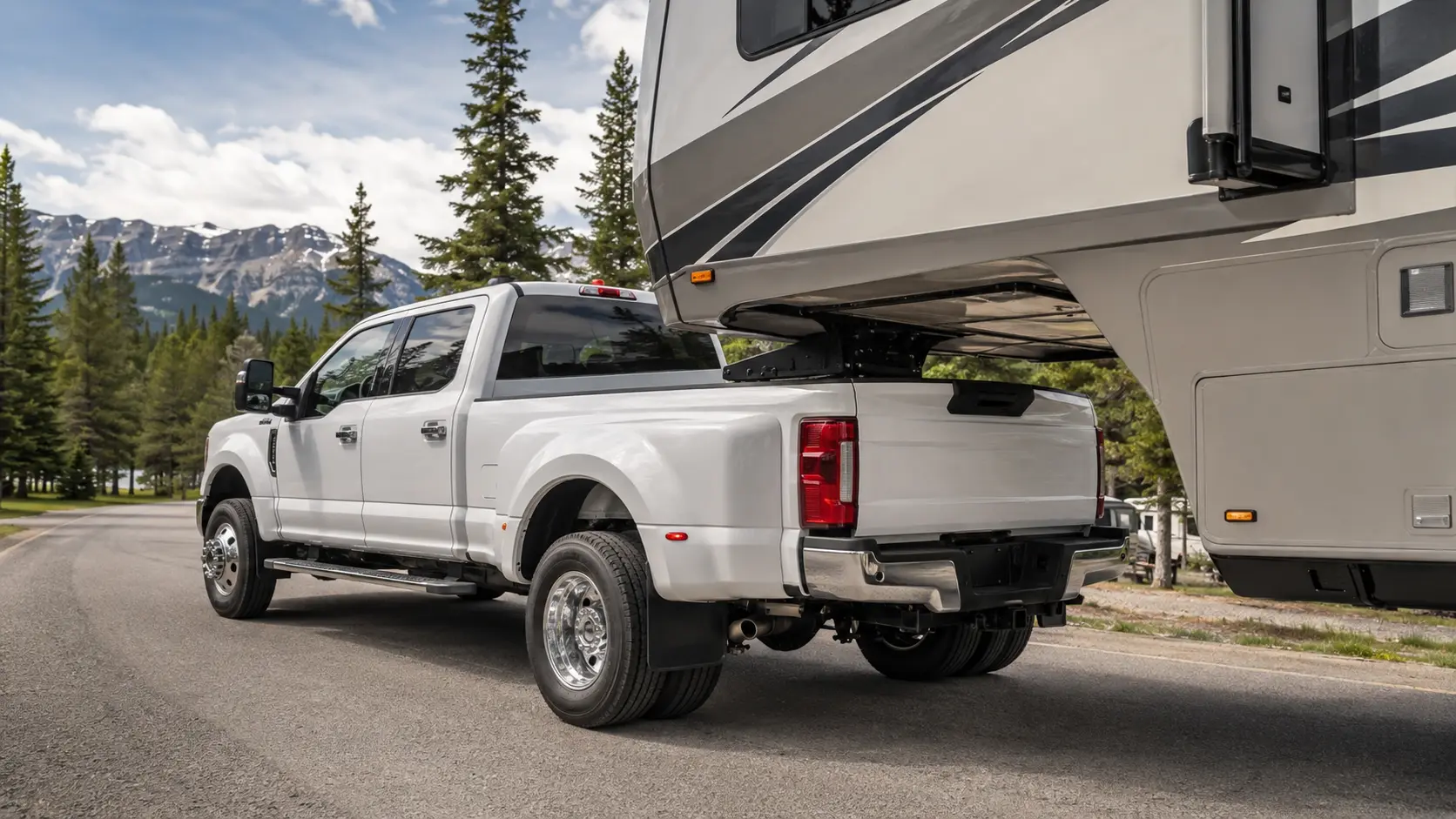
Work from exact labels, loaded pin weight, occupants, cargo, hitch and rear-axle limits.
Open Can This Truck Tow My Fifth-Wheel?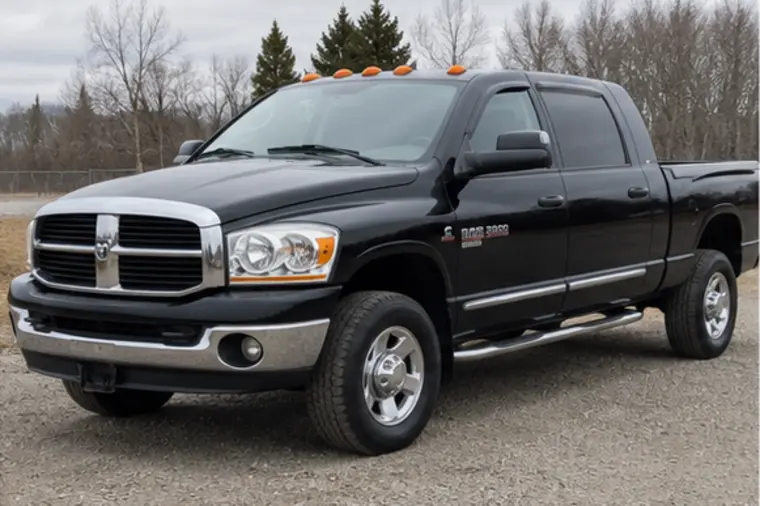
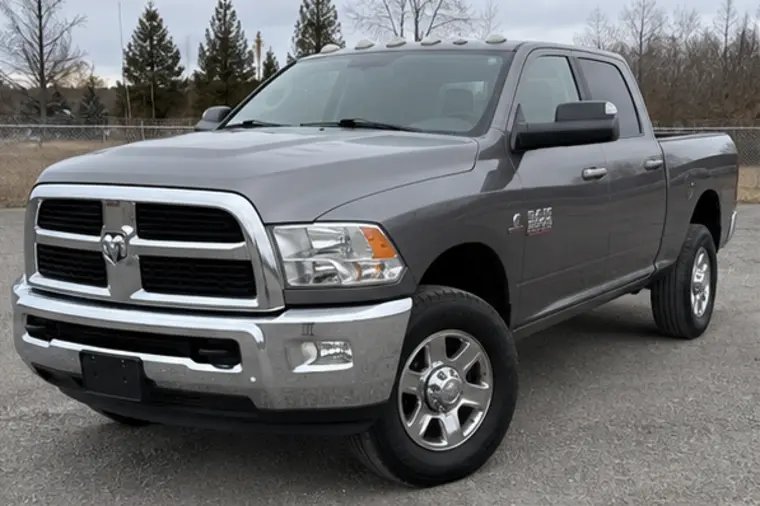
Compare 5.9L and 6.7L eras through the RAM platform, transmission and complete-truck condition.
Open Used Cummins Buying Research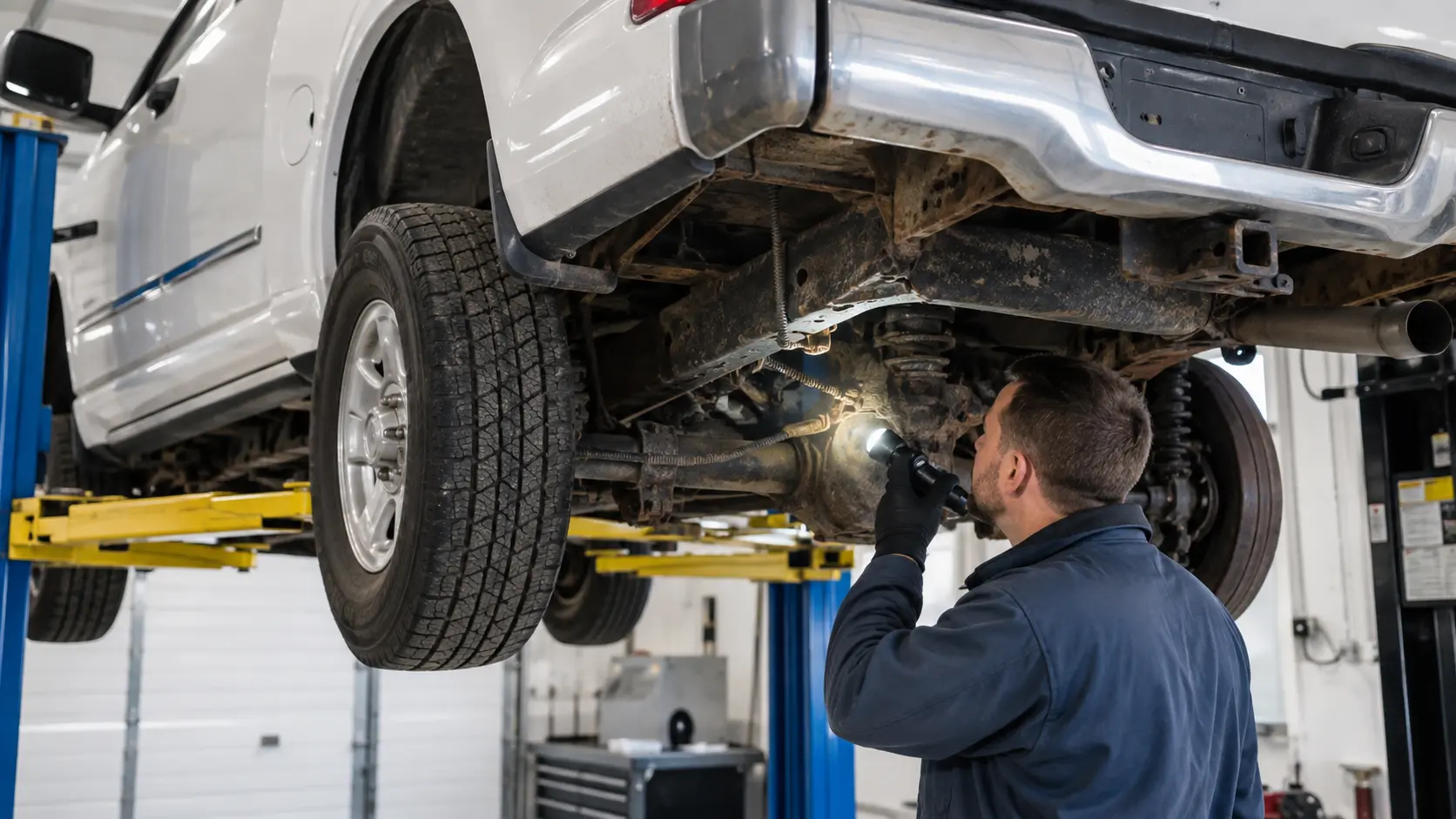
Inspect structural, safety and serviceability concerns in road-salt and winter-use context.
Open Canadian Rust InspectionThe best fit is the truck that meets your actual load requirements, suits your driving pattern and has an acceptable condition and ownership cost. Shortlist by class and configuration, compare the relevant engine generation, then have the individual vehicle inspected. A brand-wide winner cannot answer those questions.
There is no single cutoff. Maintenance, engine hours, previous duty, corrosion and repair evidence change the meaning of the odometer reading. A low-kilometre truck still needs an inspection; a high-kilometre truck needs a clear service history and a budget for the condition found. Read the high-kilometre buying guide.
The trailer type alone does not decide that. Work from its loaded pin weight and the truck’s actual payload, rear-axle, tire, hitch and towing limits. Compare a single-rear-wheel and dual-rear-wheel configuration using those same inputs. Compare SRW and DRW trucks.
No. Displacement, generation, output, emissions equipment, transmission and vehicle application can differ within each name. A 3.0L Duramax half-ton and a 6.6L Duramax HD are particularly important to keep separate. Start with the engine guides and then the model year.
Published by DieselTrucks.ca. Substantive hub update: .
This is an editorial buying guide, not a road-test ranking. It combines model and engine research with configuration checks and inspection questions. Exact ratings, service intervals and recall status must come from the documentation for the vehicle being considered. Read our research methodology.
Manufacturer references for the engine-family overview:
For a truck already on your shortlist, use our manufacturer manuals and towing-guide directory. Current product pages do not establish the specifications of an older truck.
A PRACTICAL BUYER PATH