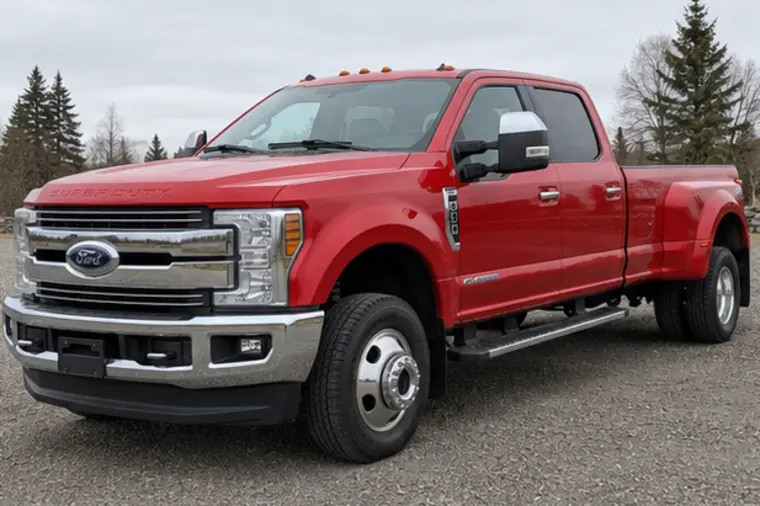
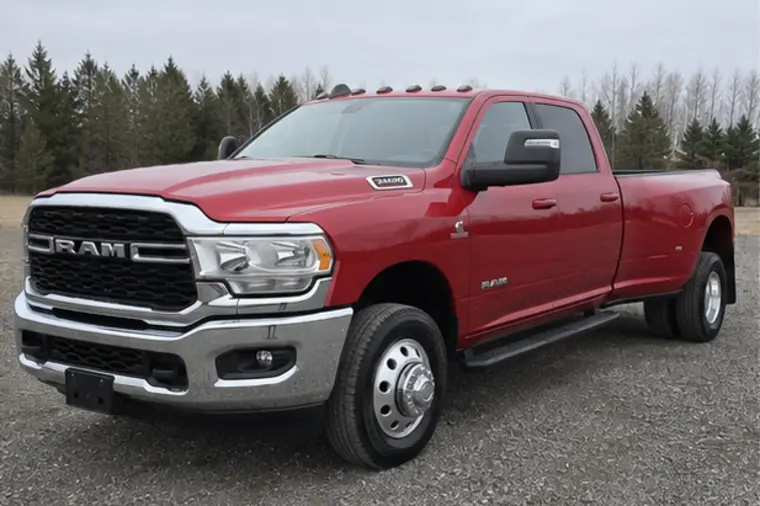
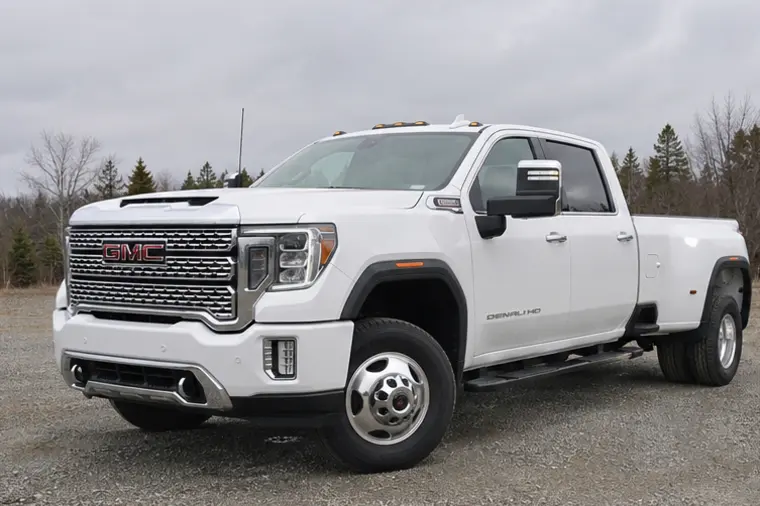
There is no responsible one-word winner. These engine names span generations, and the truck around the engine can matter as much as the powerplant.
| Decision factor | Power Stroke | Cummins | Duramax |
|---|---|---|---|
| Pickup research | Ford Super Duty | Dodge/RAM heavy-duty pickups | Chevrolet Silverado and GMC Sierra; separate 3.0L light duty from 6.6L HD |
| Identify the era | 7.3L, 6.0L, 6.4L or 6.7L, then year and version | 5.9L or 6.7L, then year and output version | Displacement, engine code, year and application |
| Complete the match | Transmission, cab, bed, axle and rear wheels | Transmission/output pairing and pickup versus chassis cab | Light-duty versus HD transmission and configuration |
| Evidence to compare | Dated repairs, service schedule, scan and inspection findings | Dated repairs, service schedule, scan and inspection findings | Dated repairs, service schedule, scan and inspection findings |
Start with comparable trucks
Compare two or three trucks that can do the same work. Match class, cab, bed, rear-wheel configuration and required payload before comparing the engine. A lighter-duty truck's fuel use and a heavier truck's carrying role answer different questions.
For each candidate, record the exact engine version, transmission and model year. Then open the relevant generation guide. A family-level reputation does not establish the condition of one truck or erase changes within that family.
Compare the ownership evidence
Ask each seller for the same evidence: service invoices, previous work, cold-start availability, modification details and permission for an independent inspection. Compare unresolved findings and the local service plan alongside asking price.
A documented major repair can be valuable information, but it is not a lifetime guarantee. Find out what failed, what was replaced, whether related components were assessed and what the truck does now. Missing documentation is uncertainty to resolve, not a reason to invent a reliability score.
Compare supported trucks rather than three reputations
Begin with candidates that can perform the same loaded job, then compare exact engine generation, transmission, repair evidence and local support. Without that common use case, an engine-brand debate can compare a lightly equipped pickup with a much heavier work configuration.
Use the evidence columns to eliminate unsuitable trucks first. Among suitable candidates, compare ready-for-use cost and service access. This framework does not assign a statistical reliability ranking to any brand.
| Decision field | Power Stroke candidate | Cummins candidate | Duramax candidate |
|---|---|---|---|
| Identity | Ford year, engine and transmission | Dodge/RAM year, output and transmission | GM year, engine code and transmission |
| Repair evidence | Current findings plus documented system repairs | Current findings plus campaign and service history | Current findings plus code-specific service history |
| Job fit | Actual truck and axle allowances | Actual truck and axle allowances | Actual truck and axle allowances |
General educational content for Canadian diesel-pickup research. Verify the exact truck, model year, certification labels, owner manual and manufacturer documentation, and obtain qualified mechanical or towing advice where appropriate.
Sources & Further Verification
Use the exact model year, VIN, truck labels and current manufacturer documentation when moving from general research to a purchase or towing decision.