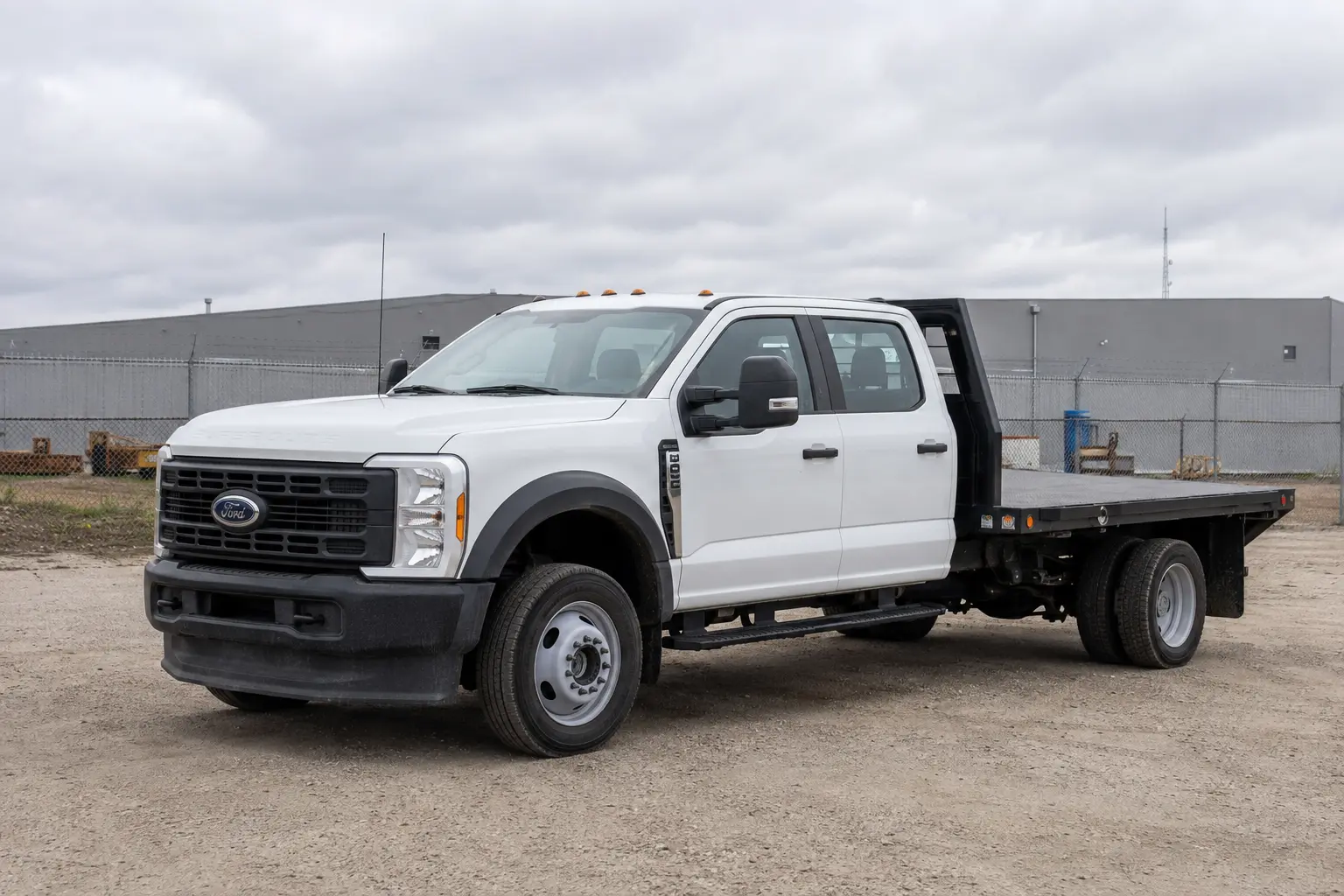
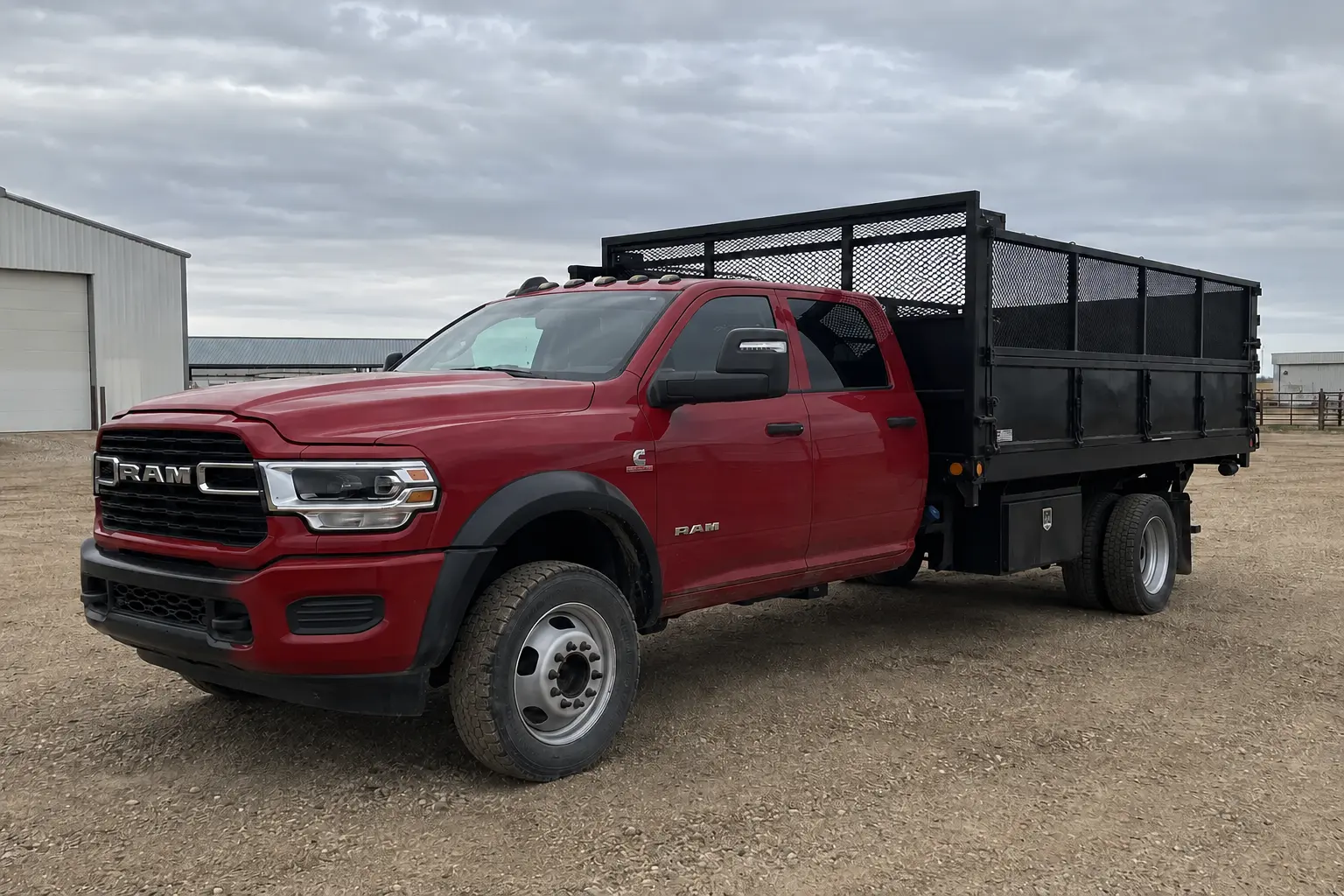
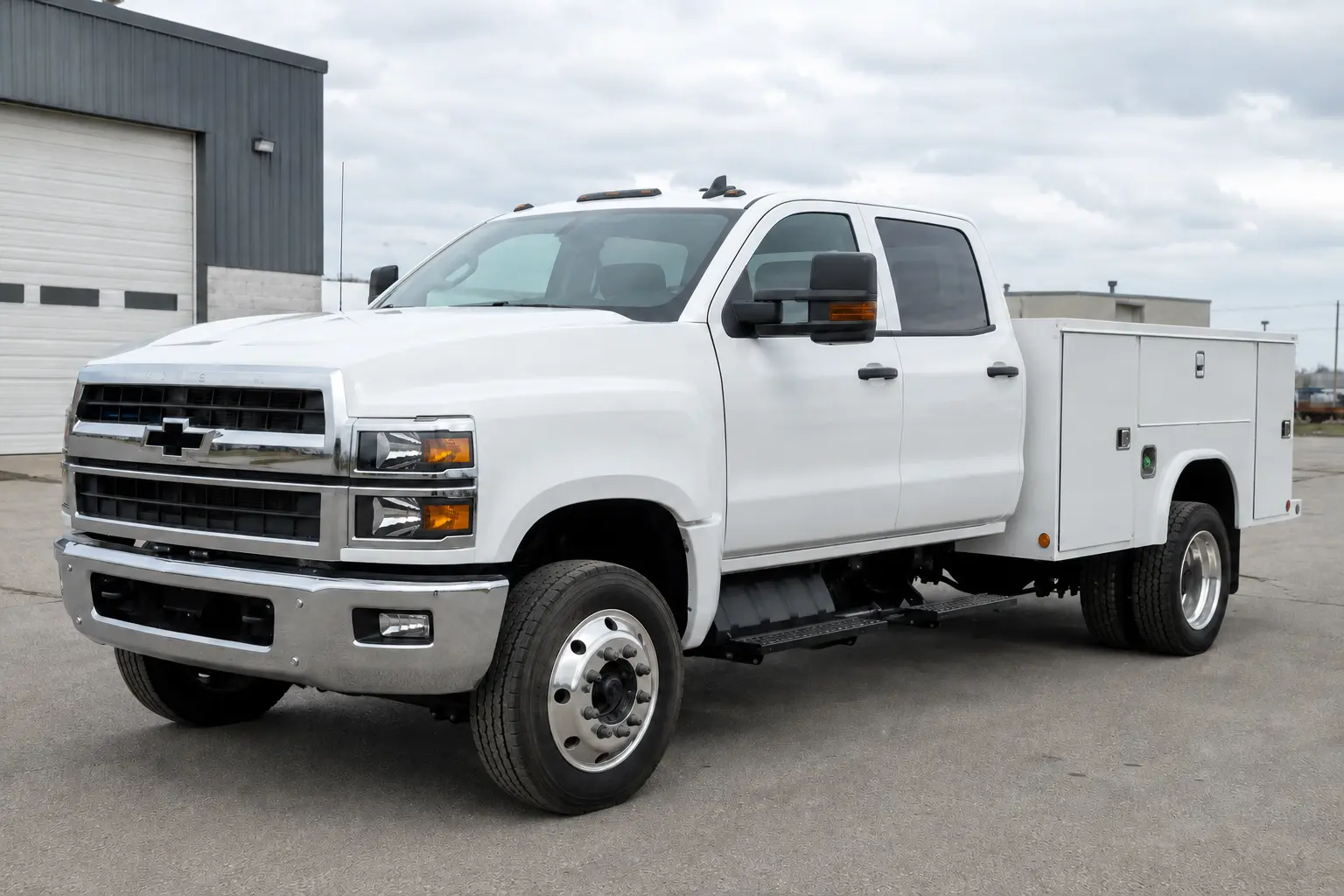
A chassis cab is delivered without a conventional pickup bed so a final-stage manufacturer can install a purpose-built body. The completed truck must be researched as one system.
Where this category fits
Modern research coverage includes Ford F-350/F-450/F-550/F-600, RAM 3500/4500/5500, Chevrolet 3500HD chassis cab in Canada, and U.S.-market Chevrolet 4500HD/5500HD/6500HD medium-duty trucks.
Decisions that change the answer
The right class depends on the actual trailer, payload, passengers, cargo, frequency of use and how the truck must work when it is not towing.
- Define the actual body, load and operating environment first.
- Verify wheelbase, cab-to-axle and frame/body compatibility with manufacturer documents.
- Use completed-vehicle labels; do not treat an incomplete-chassis maximum as usable payload.
- Distinguish Canadian-market vehicles from imported U.S.-market medium-duty trucks.
Research the exact configuration
Model badges describe a family of trucks. Payload and towing capacity can vary significantly within that family, so confirm the certification label, model-year guide and installed equipment on the exact vehicle.
Buy the completed installation
List the body, crane, liftgate, tanks, tools and occupants that travel with the chassis. Obtain completed-vehicle documentation, upfitter records and axle weights where available. The mass and position of installed equipment affect the remaining carrying role.
Check cab-to-axle distance, wheelbase and body clearance against the actual installation. An engine shared with a pickup does not establish equivalent frame, calibration, axle or towing specifications.
Inspect the work equipment as well as the truck
Ask who installed the body and whether electrical, hydraulic and mounting repairs are documented. Have appropriate specialists inspect the equipment and its integration, including leaks, attachment points and load distribution.
Keep any unverified rating out of the load plan until the manufacturer or qualified upfitter resolves it. A clean cab and low odometer reading do not establish the condition of stationary or power-take-off work equipment.
Choose the completed body before the advertisement's maximum
Define body dimensions, installed equipment, crew and carried material, then ask the body builder which chassis configurations support the job. Obtain a completed weight calculation and confirm it with appropriate scale measurements.
A used completed truck needs two service histories: chassis and body. Inspect mounts, alterations and auxiliary systems as well as engine and transmission condition. Keep the completed vehicle's evidence together so the advertised empty chassis capability cannot be mistaken for ready-to-work carrying capacity.
| Body planning input | Purchase implication |
|---|---|
| Cab-to-axle and wheelbase | Body fit, clearances and load position |
| Body and permanent equipment mass | Remaining working load and axle distribution |
| PTO/electrical/hydraulic needs | Compatible installation and service support |
Evidence note: manufacturer documents establish the specific facts and applications cited. Buying workflows and cost scenarios are DieselTrucks.ca editorial guidance. These pages do not publish measured failure rates or confirm the condition, recall status or capacity of a particular truck.
General educational content for Canadian diesel-pickup research. Verify the exact truck, model year, certification labels, owner manual and manufacturer documentation, and obtain qualified mechanical or towing advice where appropriate.
Sources & Further Verification
Use the exact model year, VIN, truck labels and current manufacturer documentation when moving from general research to a purchase or towing decision.