


Choose the right size
Start with the trailer, passengers and cargo you will carry together. A half-ton, HD pickup and chassis cab answer different needs; the badge is not a payload allowance.
Compare truck classesResearch chassis cabs and upfitsBUILT FOR CANADIAN DIESEL BUYERS
Canada's diesel truck resource.
Explore trucks, compare configurations and plan your next purchase.
RESEARCH THE EXACT TRUCK
Build a research profile from year, model and engine, then see the labels, history, recall and towing information still needed before you buy or tow.
Move from configuration and research into the marketplace.
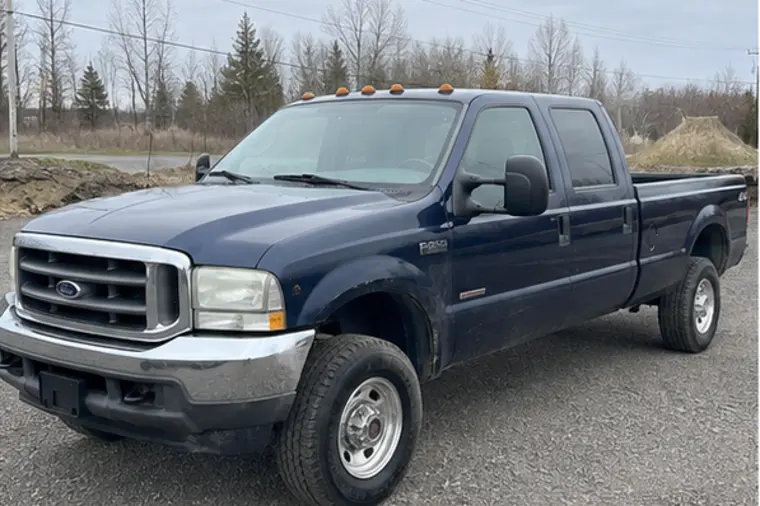 3 photos
XLT · Pickup · 7.3L Power Stroke · 4x4 · SRW · Work wear
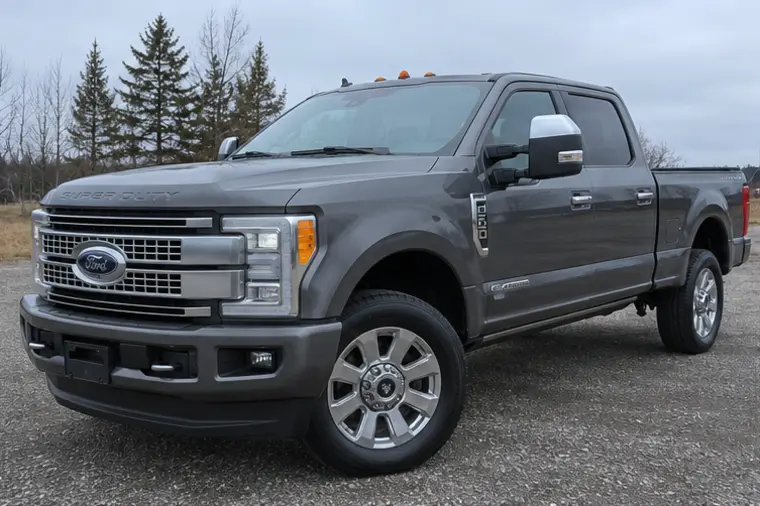 4 photos
Platinum · Pickup · 6.7L Power Stroke · 4x4 · SRW · Excellent
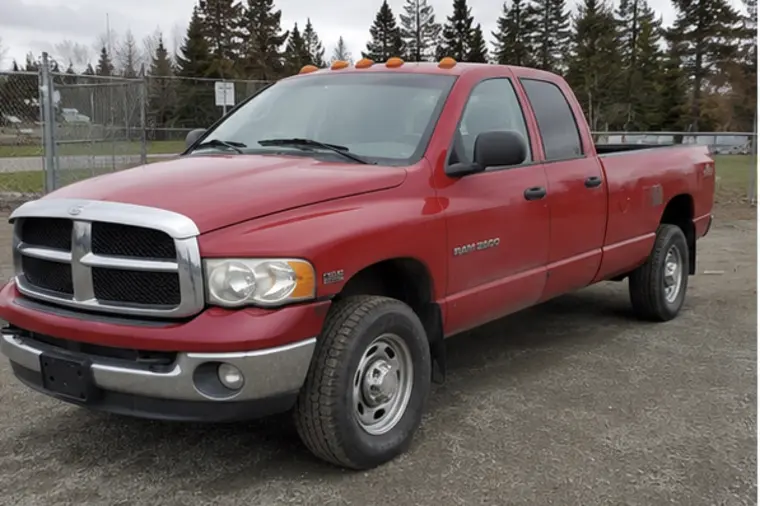 3 photos
SLT · Pickup · 5.9L Cummins · 4x4 · SRW · Work wear
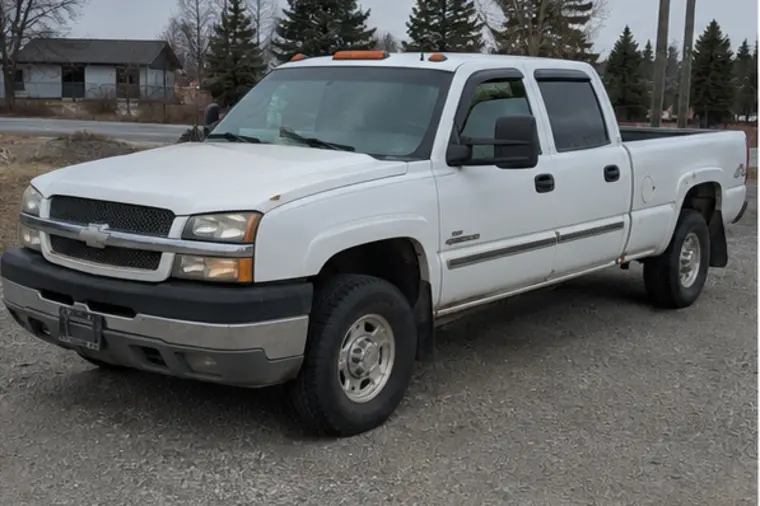 3 photos
LT · Pickup · 6.6L Duramax · 4x4 · SRW · Work wear
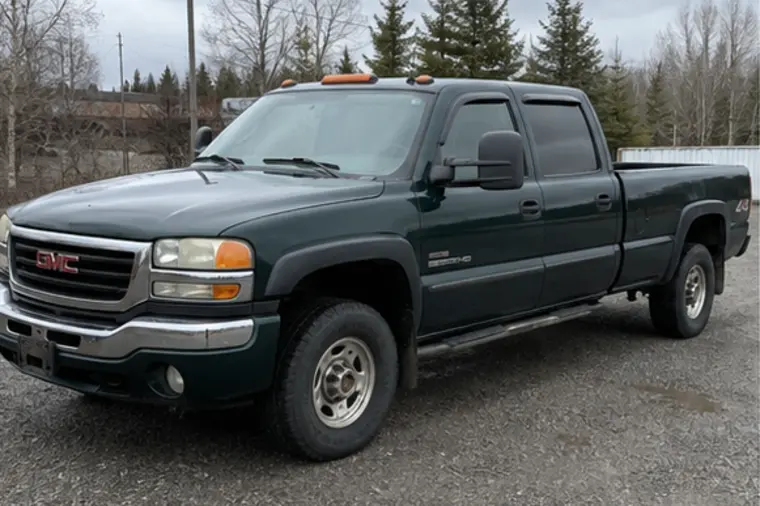 3 photos
SLE · Pickup · 6.6L Duramax · 4x4 · SRW · Work wear
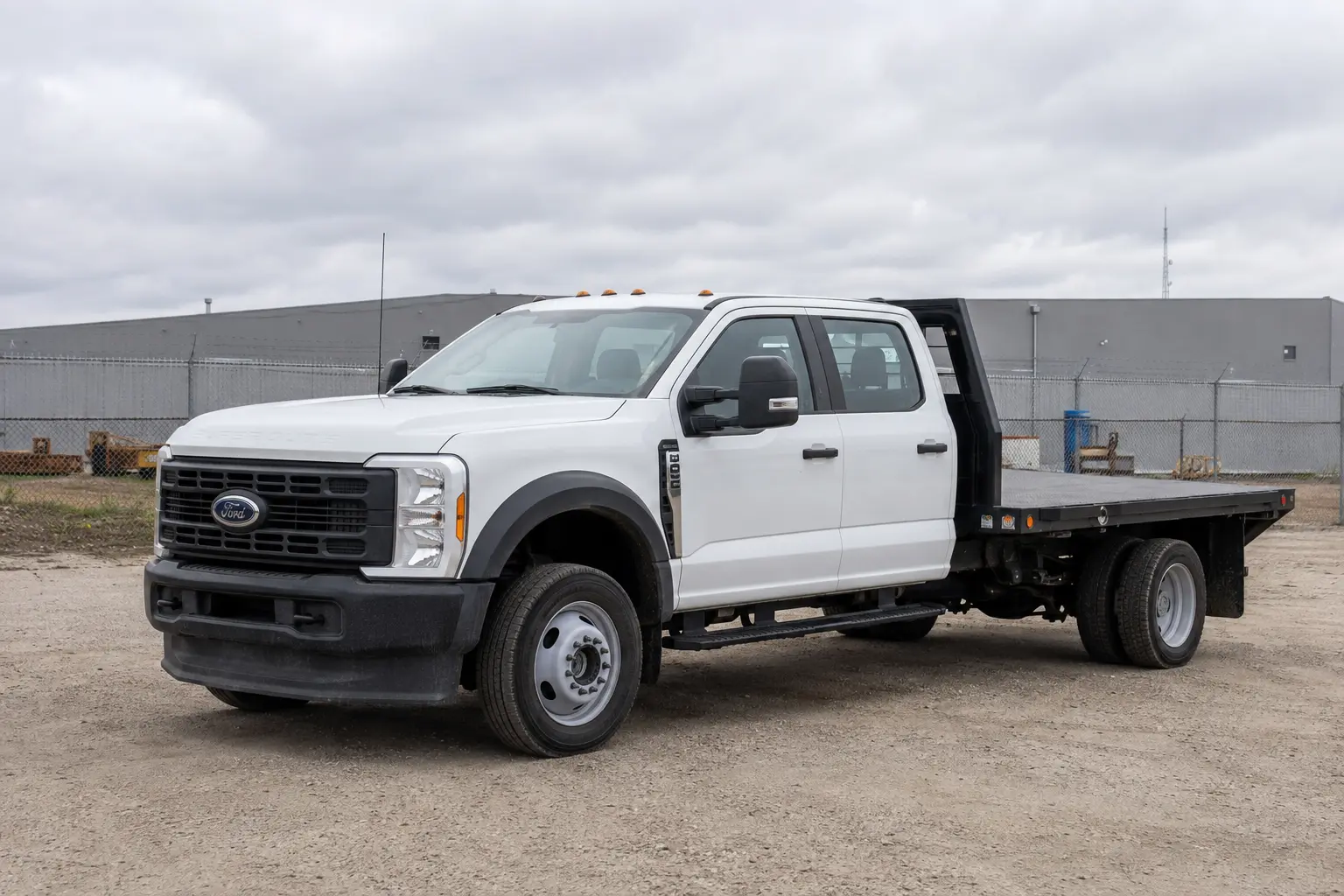 3 photos
XL · Chassis Cab · 6.7L Power Stroke · 4x4 · DRW · Clean used
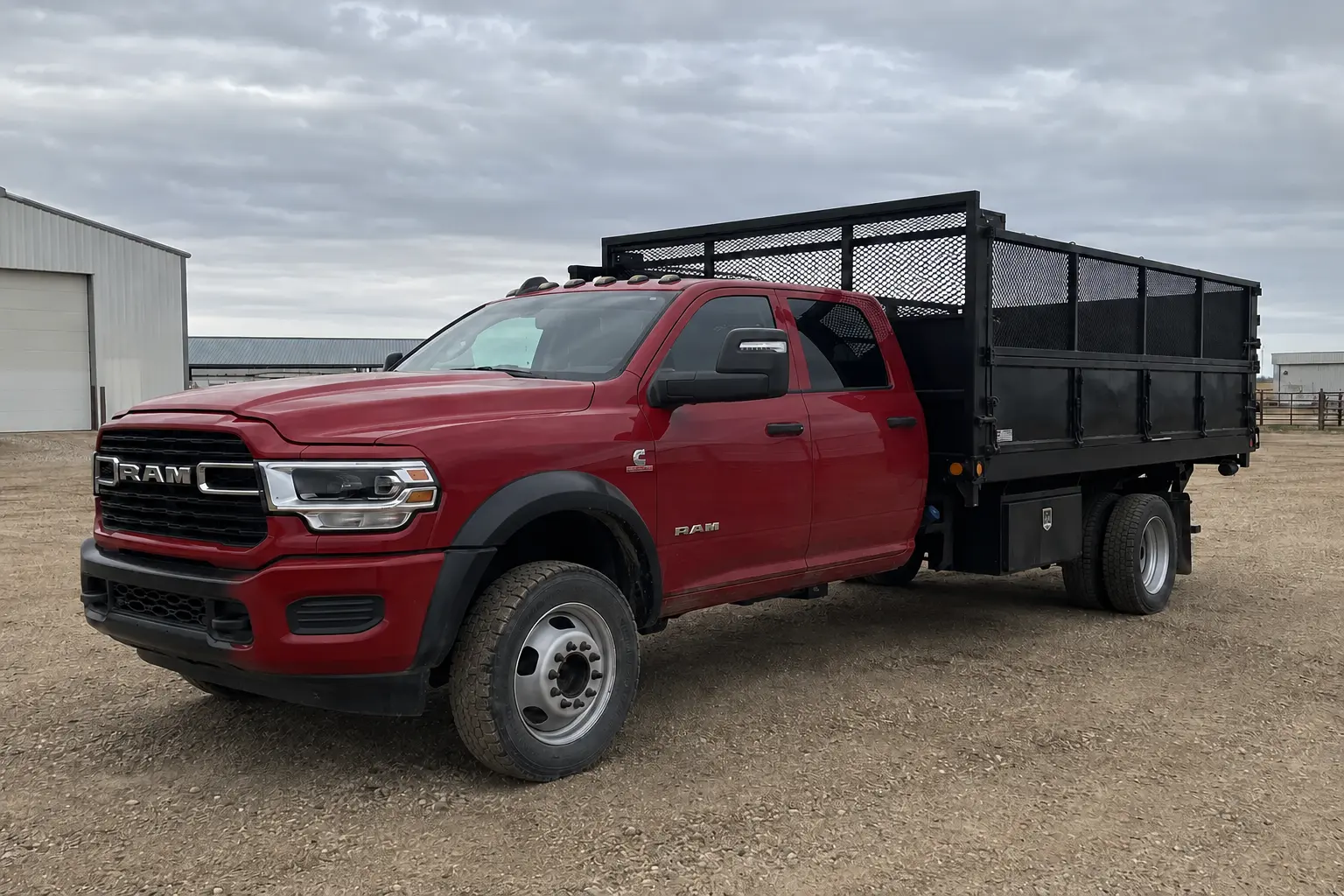 3 photos
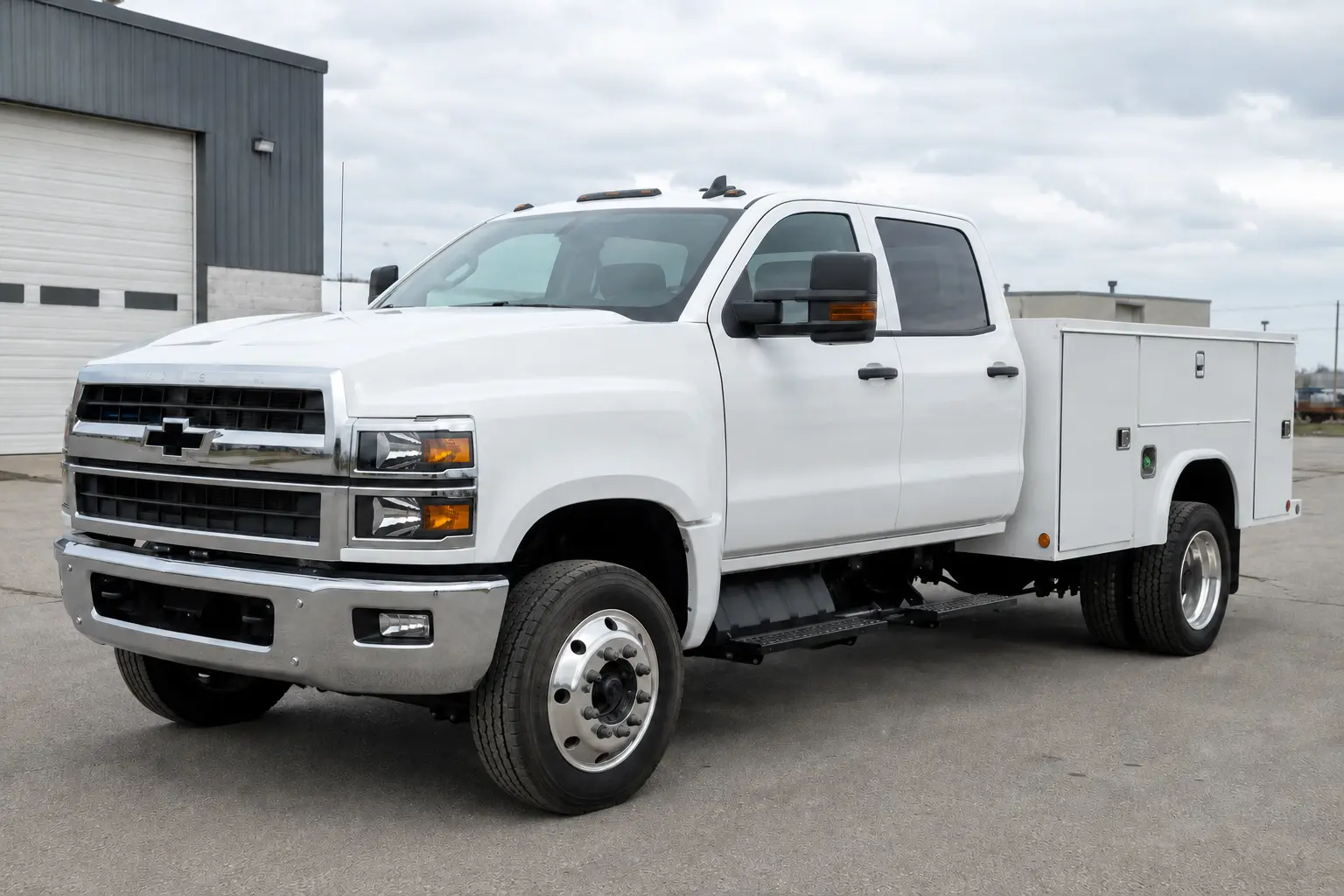
Tradesman · Chassis Cab · 6.7L Cummins · 4x4 · DRW · Excellent
 3 photos
WT · Chassis Cab · 6.6L Duramax · 4x4 · DRW · Clean used
DIESEL TRUCK BUYER'S GUIDE
A diesel truck can be a half-ton pickup used for daily driving and moderate towing, a heavy-duty pickup carrying a fifth-wheel's pin weight, or a chassis cab completed with a vocational body. Those vehicles share a fuel type, not one capability profile. A useful search therefore begins with the work and ends with the labels, documents and condition of the individual truck.
The familiar half-ton, three-quarter-ton and one-ton labels are convenient categories, but they are not literal payload promises. Start with the truck's intended job: people in the cab, cargo and equipment in or on the truck, trailer type, loaded trailer weight and the vertical tongue or pin weight carried by the truck. Then choose the class in which suitable configurations actually exist.
These trucks can suit mixed daily use, longer highway travel and moderate towing. Their lighter-duty chassis means payload deserves particular attention once passengers, bed cargo and hitch weight are combined. Keep a 3.0-litre light-duty diesel separate from the larger engines used in HD pickups.
Research half-ton dieselsF-250/F-350, RAM 2500/3500 and Silverado/Sierra 2500HD/3500HD families add heavier chassis and a wider range of towing configurations. The model badge still does not identify cab, bed, drivetrain, axle, rear-wheel layout or available payload.
Compare HD truck classesA dually can provide a different carrying and stability proposition for heavy trailers, but adds width, tires and daily-use compromises. Compare an SRW and DRW truck against the same loaded combination rather than assuming either layout is automatically required.
Compare SRW and DRWA chassis cab becomes a working vehicle through its completed body and equipment. The upfit consumes capacity and may change dimensions, access and service needs. Use completed-vehicle documentation instead of borrowing pickup ratings from a similar badge.
Plan a chassis-cab buildA practical dividing line: choose the smallest class that can satisfy every applicable limit with a useful reserve and still work in the places you drive. A larger truck can improve one part of the load plan while making parking, ride, tires, registration or operating cost less attractive.
Brand research is most useful after the class is clear. Ford's modern Super Duty diesel path centres on Power Stroke applications; RAM HD research connects Cummins engines with the transmission and pickup or chassis-cab application; Chevrolet and GMC use Duramax names across separate light-duty and HD trucks. Each family spans model years and revisions, so the engine badge cannot replace year-specific research.
Separate F-250, F-350 and pickup-configured F-450 choices from chassis cabs. On a used truck, identify the Power Stroke generation, transmission, cab, bed, drivetrain and rear wheels before applying a specification or inspection guide.
Separate RAM 2500 and 3500 pickups from chassis-cab applications, and distinguish standard- and high-output pairings where the model year offers them. Older Dodge/RAM trucks may belong to a different Cummins, transmission and emissions era.
Keep the Silverado 1500's light-duty diesel path separate from Silverado 2500HD and 3500HD trucks. For HD candidates, identify the Duramax generation, transmission and exact towing configuration rather than treating every 6.6L truck alike.
Chevrolet research · 6.6L Duramax · Chevrolet Canada trailering
The Sierra 1500 and Sierra HD lines answer different load profiles even when both offer a Duramax-branded engine. A premium trim also adds equipment; it does not waive payload, tire, axle, hitch or combined-weight limits.
Power Stroke, Cummins and Duramax comparisons can organize a shortlist, but no engine name establishes the condition of a used truck. Service evidence, diagnostic findings, modifications, corrosion, cold-start behaviour and the chassis around the engine belong in the same decision.
A seller's description starts the file; it does not finish it. Ask for the VIN, clear photographs of vehicle labels, service invoices, modification disclosure and the reason for sale before a long trip or deposit. Compare the advertisement with the registration, observed configuration and manufacturer documentation, and resolve material conflicts in writing.
A pre-purchase inspection should be specific to the engine era, emissions equipment, transmission, chassis and prior work. Request a genuinely cold start when practical, a scan by a qualified shop, checks for leaks and corrosion, and an estimate separating immediate corrective work from later maintenance. A recent repair to one component is useful evidence about that component, not proof that the rest of the truck is healthy.
Reliability claims need boundaries. A recall identifies a defined population and remedy; it is not a failure rate. A service bulletin can describe a diagnostic or repair procedure without establishing that every truck has the condition. Owner anecdotes can identify questions, but they cannot rank model years without representative evidence.
Use owner manuals and towing guides from the correct model year and market for operation, maintenance and configuration research. For recall status, use the Canadian manufacturer or Transport Canada pathway appropriate to the truck. A United States campaign filing can be valuable evidence about a campaign's technical scope, but it does not confirm that a Canadian VIN is included or that a remedy has been completed.
Transport Canada provides Canadian recall search, VIN lookup and defect-reporting paths. Retain the lookup date and result with the purchase file, and ask for completion evidence where a campaign applies. If the truck was imported, record the market and obtain the documents that govern that vehicle instead of silently mixing Canadian and U.S. specifications.
Open Transport Canada defects and recalls · GMC owner manuals and guides · Follow the Canadian recall workflow
Diesel can be a strong match for sustained loaded work, frequent towing or an operating pattern that makes use of its characteristics. It is not automatically the least expensive or simplest choice. Compare an equivalent gasoline truck under the same annual distance, load, purchase horizon and local service assumptions. Include acquisition and financing, fuel and diesel exhaust fluid where applicable, scheduled service, tires, insurance, known repairs and the cost of being without the truck.
Driving pattern matters as much as annual distance. Repeated short trips, long idle periods, severe cold, dust and heavy towing can place different demands on the engine and aftertreatment system. Read the exact model-year manual for operating messages, fluids, heaters and severe-service guidance. Do not transfer an interval from another engine family or treat a forum schedule as manufacturer literature.
Plan the downside before buying. A truck used for income needs access to a qualified shop, a repair allowance and a backup arrangement for downtime. A recreational tow vehicle may instead be judged by trip timing, storage, parking and whether its size is acceptable when the trailer is disconnected. A daily-driven half-ton and a dedicated DRW tow vehicle solve different problems even when both use diesel fuel.
No. Diesel torque and engine-braking characteristics can suit towing, but the exact truck still needs enough payload and appropriate axle, tire, hitch and combined ratings. Compare diesel and gasoline configurations against the same load and operating pattern.
Choose after adding loaded hitch weight, occupants, cargo and equipment. A one-ton can provide more carrying options, while a three-quarter-ton may better fit daily use. Compare actual labels and equivalent configurations, not class reputation alone.
There is no defensible universal winner across every Power Stroke, Cummins and Duramax generation. Define the year and application, then weigh primary campaign and service evidence, maintenance history, inspection findings and the repair support available to you.
Use the same exact-configuration and condition process as elsewhere in Canada, then separately verify British Columbia registration, insurance and inspection requirements with the responsible authorities. This guide does not represent local inventory or an offer.
Treat a headline maximum as a signpost to the configuration that achieved it. Your decision needs the correct guide row, footnotes, vehicle labels and loaded combination. A differently equipped truck under the same model badge may have a different limit.
Browse once you can describe the class, load and must-have configuration. The commercial catalogue can show configurations to investigate; availability and vehicle-specific evidence still require a real listing and seller.