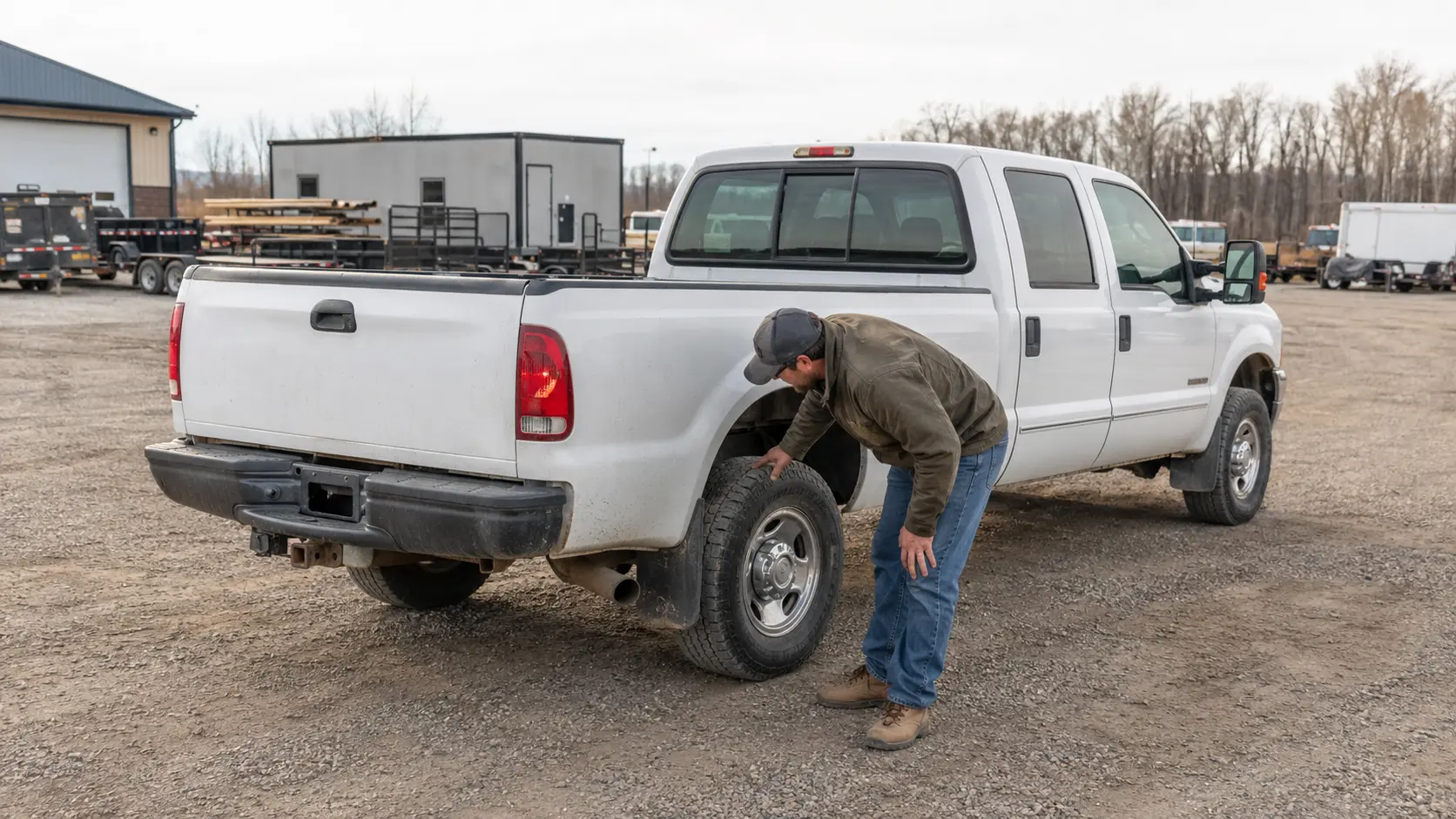
A diesel work truck should be selected as a complete productive system: chassis, body or pickup box, crew, tools, material, trailer, hitch, installed equipment, duty cycle and service support. Start with a written workday and load case, then use the exact model-year manufacturer documents, vehicle labels, completion records and measured weights. A diesel badge or advertised family maximum cannot establish that an unseen truck is suitable. Sources were checked on 9 September 2026.
Quick diesel work-truck selection answer
Write the recurring job before choosing the truck. Record crew, permanent body and equipment, daily tools and material, trailer identity, loaded trailer and vertical connection load, route, idling, climate, site access and acceptable downtime. Separate the heaviest legal work case from a typical day; both must fit the completed truck and operating rules.
Then decide whether the job needs a pickup or a chassis cab. Match the exact chassis and model-year configuration, obtain installed-body and hitch documentation, calculate carried load, check GVWR and both GAWRs, check every trailer and combined limit, inspect the complete installation and verify Canadian operating requirements. The lowest applicable vehicle, axle, tire, wheel, hitch, trailer, body or legal limit controls.
Build a work specification before comparing badges
Use quantities that another person can verify. Count occupants and their travel gear; list tools, parts, fluids, auxiliary fuel, compressor, welder, crane, plow or spreader equipment; identify the body; and record where each load sits. For towing, identify the trailer, coupler, brakes, loaded total and actual loaded tongue, pin or gooseneck vertical load. Include seasonal equipment rather than averaging it away.
Operational fit also matters. Record city versus highway distance, idle time, cold starts, unpaved access, grades, parking envelope, height and width restrictions, snow or corrosion exposure, refuelling access and the shops that can service the chassis and upfit. A maximum-capacity configuration that cannot reach the jobsite or obtain timely service is not automatically the productive choice.
Work-truck requirements table
This is a research worksheet, not a rating table. Do not infer a body payload from compartment volume, a dump load from bed size, or a trailer allowance from an engine name. Unknown weights remain unknown until documented or measured.
| Work pattern | Loads and equipment to document | Configuration questions | Condition and support evidence |
|---|---|---|---|
| Service, welding or mobile repair | Body, drawers, parts, bottles, compressor, welder, crane and crew | Pickup or chassis cab; cab-to-axle; side-to-side and rear-axle load; electrical or PTO needs | Body mounting, compartments, wiring, hydraulics, calibration, local body/chassis service |
| Flatbed, landscape or dump | Finished body, hoist, tarp, tools and material at the heaviest position | Body volume versus legal mass; axle distribution; wheelbase; turning and unload clearance | Subframe/mounting, hinge and hoist, corrosion, final labels, representative loaded axle weights |
| Hotshot or equipment hauling | Trailer, hitch, deck cargo, chains, fuel, sleeper or cab gear | Conventional versus fifth-wheel/gooseneck row; GCWR; payload and rear GAWR; route rules | Hitch installation, trailer records, brakes, tires, scale tickets, downtime plan |
| Farm, plow or grounds work | Implements, plow/spreader, ballast, chemicals, tools and seasonal crew | Front and rear axle effects; tire/wheel ratings; site access; cold-weather duty | Mounting and wiring, frame and suspension, corrosion, hours, seasonal service capacity |
| Fleet route or mixed duty | Repeatable route load, driver gear, body contents and peak-day exceptions | Standardization, driver licensing, parking, fuel and service access | Inspection standard, maintenance records, substitute vehicle and repair-provider capacity |
Pickup and chassis cab are different starting points
A pickup leaves the manufacturer with an integrated box and completed-vehicle labels. It may be the right architecture when the work needs open-bed flexibility, mixed personal use or a verified pickup towing configuration. Accessories, racks, caps, tanks, toolboxes and hitches still consume carried-load capacity and may change clearance or load distribution.
A chassis cab is an incomplete vehicle intended for further manufacturing. Its usefulness depends on the finished body and installation. GM's IVD guidance says the assembly-site VIN-specific label belongs with the incomplete vehicle's document package; the downloadable generic IVD is not VIN-specific and cannot recreate that label. The reviewed generic 2026 Silverado medium-duty IVD leaves VIN, GVWR, GAWR, tire and rim fields blank and assigns responsibilities to the final-stage manufacturer. Those blanks cannot be populated from a model badge.
Select the chassis from exact configuration documents
Manufacturer matrices use complete configuration identities. Ford's reviewed 2026 Super Duty chassis-cab selectors separate F-550 rows by engine, axle ratio, GCWR, cab and drive system and carry second-unit-body assumptions and package footnotes. RAM's Heavy Duty chart separates 2500 and 3500 pickups, standard- and high-output diesel applications, transmissions, cab, box, 4x2/4x4, SRW/DRW, axle ratio, GVWR and GCWR. The common diesel family is not the selector.
For a proposed truck, record market, model year, pickup or chassis cab, model, engine/output, transmission, cab, wheelbase or bed/cab-to-axle, drive, rear-wheel arrangement, axle ratio, GVWR/GCWR package, tires/wheels and hitch system. Find one applicable row and read its headings, dashes, notes and footnotes. Do not blend the best cells from several configurations.
Convert body volume into a measured load case
A large service compartment or dump body describes space, not usable mass. Start with the completed empty truck, then add the real crew, equipment and material. Track both total vehicle weight and front/rear axle distribution. Equipment behind the rear axle can increase rear load while unloading the front; equipment on one side can produce a side-to-side tire or wheel concern even when total weight appears acceptable.
Obtain the completed vehicle's certification and carrying-capacity information, body-builder documents, body model and serial, installer, mounting and subframe details and invoices for later modifications. For a used truck, weigh the representative working configuration where an appropriate scale process is available. Do not add front and rear GAWR to raise GVWR or use a generic chassis curb weight after a body has been installed.
Keep towing and carried equipment in one truck-side budget
Trailer weight and truck payload answer different questions. The hitch assembly, people, tools, auxiliary equipment and actual loaded tongue, pin or gooseneck load are carried by the truck. Check the resulting vehicle weight and both axles, then verify receiver or in-bed hitch, trailer, GCWR and manufacturer trailer limits separately. A high published trailer figure can coexist with insufficient rear-axle or payload reserve for the working installation.
Conventional, fifth-wheel and gooseneck systems have different hardware and can have different rows. Do not transfer an in-bed maximum to a receiver or assume an adapter preserves approval. Use the exact hitch and trailer instructions, measure required clearance and include all connection hardware in the load. The dedicated towing guides retain those details rather than turning this category into a second towing calculator.
Match the body and equipment to the chassis documentation
Before installation or purchase, compare the proposed body's dimensions, centre of gravity, mounting system, rear overhang, electrical loads and auxiliary equipment with exact-year manufacturer guidance and a qualified upfitter's engineering process. Cab-to-axle and wheelbase affect body fit and axle distribution. A body that bolts on is not thereby documented as suitable.
For a completed truck, inspect mounting brackets, frame and subframe, fasteners, wiring protection, grounds, hydraulic lines, hoses, reservoirs, controls, exhaust and aftertreatment clearance, heat shielding and evidence of drilling, welding, overload, collision or corrosion. Obtain written findings for modifications that cannot be reconciled with the manufacturer and installer records. Do not claim that a portal page certifies an unseen installation.
Duty cycle and installed equipment affect the service plan
Document the working day: trip length, engine and idle hours where available, loaded highway operation, low-speed site work, winter warm-up, PTO or high-idle use and how often the truck returns to base. Use the exact model-year owner and equipment manuals for maintenance and operating instructions. Do not assume a PTO, stationary regeneration feature, high-idle mode or auxiliary electrical capacity exists because another truck in the family has it.
Modern diesel aftertreatment needs its own candidate-specific review. Ask for warning and repair history, original configuration, scan findings and the operating pattern associated with complaints. Short trips and extended idle may be relevant context, but they do not diagnose a DPF, DEF or EGR fault. A qualified shop should separate duty-cycle fit, current faults and unresolved modifications.
Use-case decisions stay conditional
A service or welding truck is a candidate only after the stocked body, auxiliary equipment and rear-axle load are known. A dump or landscape truck needs the heaviest realistic material and load position checked; a cubic-volume claim is not a mass rating. A snowplow setup needs the installed plow, mounts, ballast and axle effects verified against exact documentation.
A hotshot or equipment-hauling truck needs one truck-and-trailer worksheet with actual hitch and connection load, not a brand maximum. A farm truck may prioritize field access, local parts and repair capability over a peak tow cell. A fleet may value standard inspection, driver fit and substitute availability. These are decision conditions, not rankings of brands, diesel engines or model years.
Used work-truck inspection includes the productive equipment
Reconcile VIN, market, model year, chassis configuration, labels, body identity, final-stage documents, hitch, tire/wheel specifications and installed equipment before judging capacity. Review engine and idle hours where available, maintenance and repair invoices, fault history, recalls and modifications. Commission an independent chassis and diesel inspection appropriate to the exact application.
Inspect and operate the body equipment safely with a qualified person: compartments and latches, hoist or crane, hydraulics, compressor, welder, inverter, auxiliary batteries, lighting, controller, PTO where documented and any safety interlocks. Record leaks, damage, corrosion, unauthorized wiring and unavailable demonstrations. A successful engine road test does not establish that an expensive body is productive.
Price readiness, downtime and support
Compare the complete cost to put each candidate into service: purchase, inspection, immediate chassis and diesel repairs, tires, brakes, body and hydraulic work, hitch or trailer changes, registration/inspection, training and required equipment. Keep uncertain diagnosis as a range or unresolved item instead of entering zero. Do not fabricate dealer counts, offers, prices or remaining service life.
Identify who can service the chassis, engine, transmission, tires and installed body, and where the truck can be recovered. Estimate the work lost during planned maintenance and an unplanned outage, then decide whether a substitute vehicle or rental can perform the same body-specific job. The public `/trucks` catalogue remains the commercial discovery path and retains its inventory/content gates; this article supplies the research method and does not imply that stock exists.
Canadian work-truck evidence and limits
Use Canadian manufacturer material where it exists, then match it to the exact vehicle. The reviewed RAM Canada chassis-cab and Chevrolet Canada trailering pages establish current Canadian research paths, not the origin, build, final-stage certification or capacity of an unseen truck. U.S. matrices used for configuration method remain labelled and cannot be converted into a Canadian VIN result.
Separately verify registration class, driver licence, inspection, brakes, safety equipment, dimensions, axle and operating weights, permits and commercial obligations with the responsible province or territory. Administrative permission cannot raise manufacturer or component ratings. For a modified, imported or incomplete-vehicle-derived truck, obtain the specific completion and compliance record rather than assuming eligibility from a similar Canadian listing.
Diesel work-truck questions
Is a bigger chassis always better? No. Compare the completed truck's working weights, access, body fit, service needs and applicable limits.
Should I buy a pickup or chassis cab? Choose from the body architecture the job requires, then verify the exact completed configuration.
Does a diesel engine prove towing capacity? No. Model year, application, transmission, axle, cab, drive, wheelbase, packages, hitch and completed body also matter.
Can body volume be used as payload? No. Document material mass and position, then check completed vehicle and axle weights.
Is an upfit portal proof that a body is approved? No. Obtain exact-year documents, installer and completion records and inspect the installed body.
Can I assume a truck listed in Canada has Canadian status? No. Verify the exact VIN, market origin, completion, registration and applicable requirements.
Does a marketplace listing prove work readiness? No. Availability, identity, documentation, condition, load fit and service support require separate evidence.
Where this category fits
Work-focused buyers should prioritize serviceability, condition, payload reserve, cab and bed fit, towing equipment and documentation.
Decisions that change the answer
The right class depends on the actual trailer, payload, passengers, cargo, frequency of use and how the truck must work when it is not towing.
- Inspect idle hours and engine hours where available.
- Ask how the truck was loaded and where it operated.
- Evaluate bed, hitch, suspension, tires and underbody for evidence of hard use.
Research the exact configuration
Model badges describe a family of trucks. Payload and towing capacity can vary significantly within that family, so confirm the certification label, model-year guide and installed equipment on the exact vehicle.
Choose a commercial diesel by application
Start with the job's recurring loaded condition and body requirements. A stocked service truck, hotshot combination, landscape body and welding rig need different equipment and evidence even when they share an engine family. Use the application guides below to build a buying file for the work you actually perform.
Keep three decisions visible: whether the configuration can carry the job, whether the truck and installed equipment are in acceptable condition, and whether the business can support its service needs. Manufacturer ratings, qualified inspection and local repair planning answer those questions separately.
For a used purchase, collect the VIN and labels, completed axle weights, body-installation documents, service and repair records, and an estimate for initial work. Compare candidates with the same evidence standard. A claimed best diesel year cannot replace a verified body, appropriate load budget or workable plan for downtime.
Route the research by the work carried out
Start with the recurring job rather than a preferred badge. A service body concentrates permanent equipment, a dump body changes load as material is added, and a hotshot combination depends on the trailer and its connection load. Use the corresponding application guide to assemble the right evidence.
Keep body maintenance, chassis maintenance and business downtime in the purchase comparison. A ready-to-work claim should be supported by inspection and a suitable loaded configuration. The useful purchase is the complete truck that can perform the recurring job with an affordable service plan.
| Work family | First planning document |
|---|---|
| Service, welding or fleet | Equipment inventory and weekly duty pattern |
| Flatbed, dump or landscape | Completed body weight and material/load position |
| Hotshot or equipment hauling | Loaded trailer and separate axle worksheet |
Find your work application
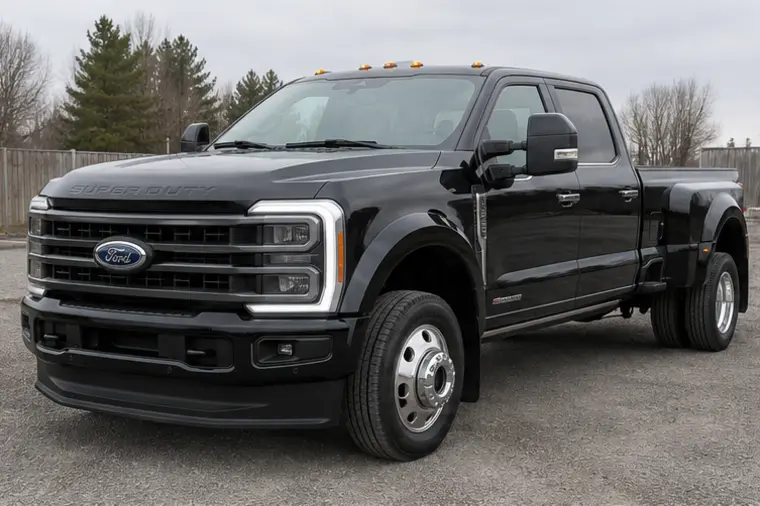
Diesel Hotshot Truck Buying Guide
Choose a hotshot diesel from loaded trailer weight, pin load, usable payload, service access and the cost of a missed dispatch.
Read Diesel Hotshot Truck Buying Guide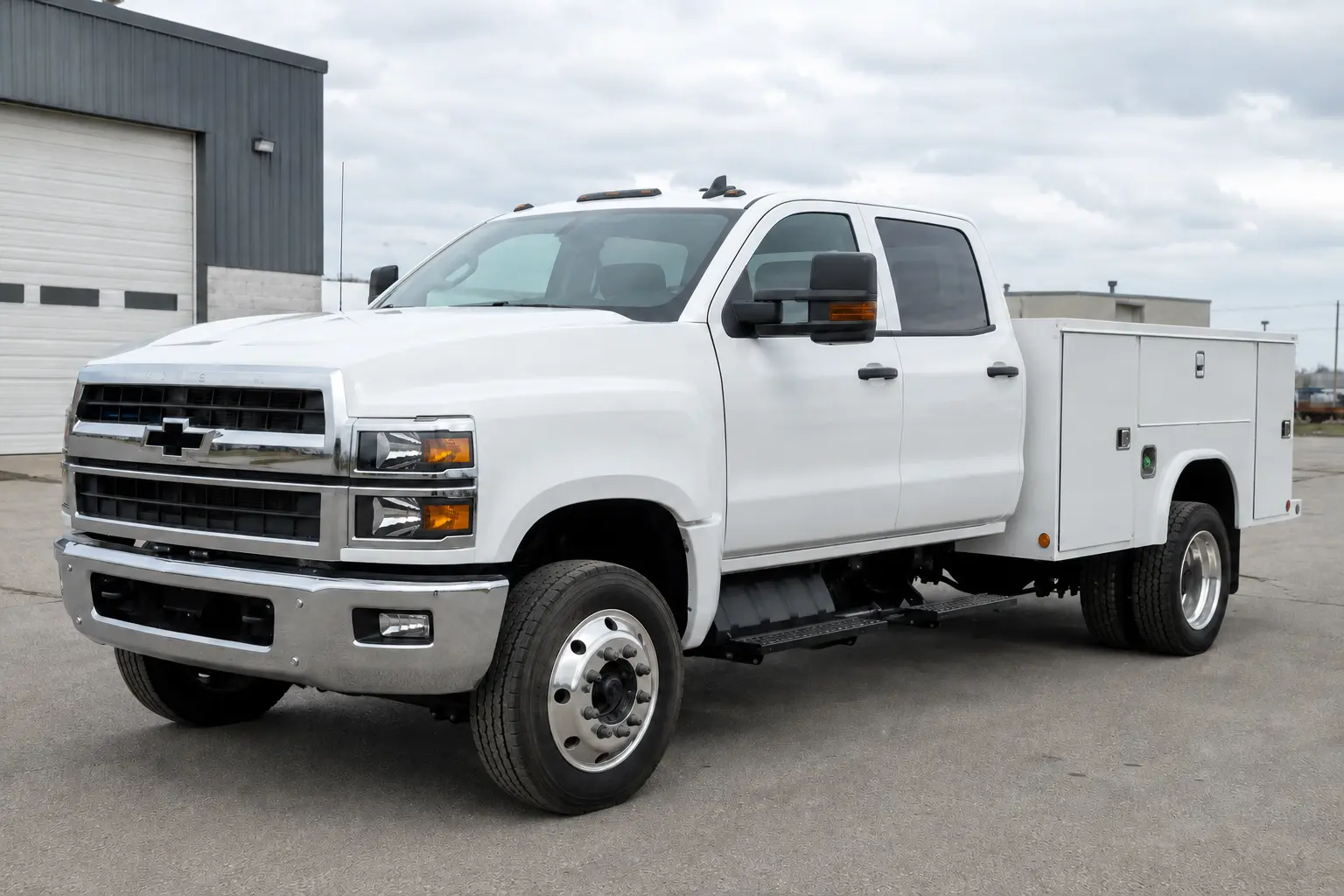
Diesel Service-Body Truck Buying Guide
Evaluate a diesel service truck with a stocked body: axle loads, compartment access, auxiliary equipment and documented installation.
Read Diesel Service-Body Truck Buying Guide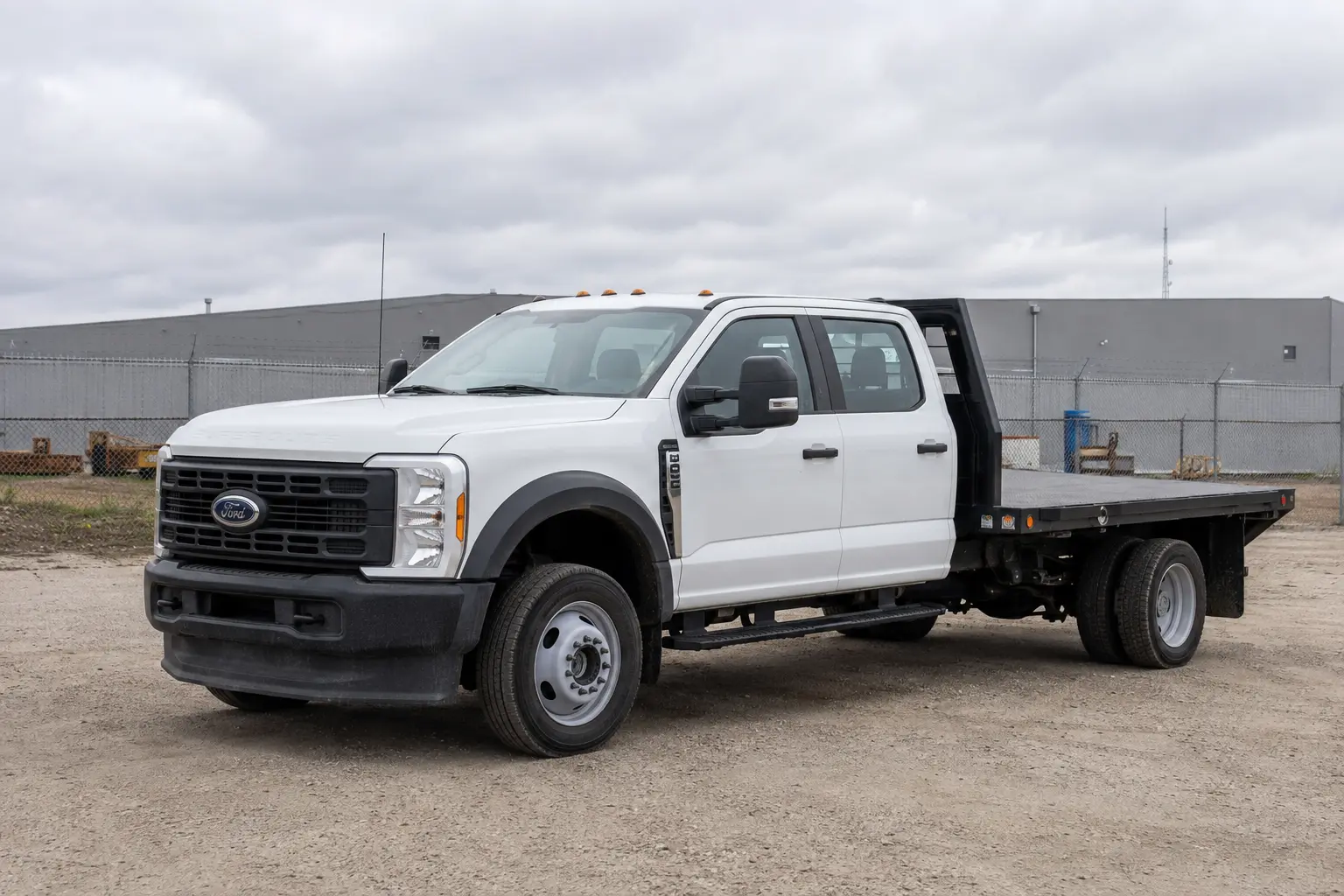
Diesel Flatbed Truck Buying Guide
Assess flatbed dimensions, body mass, tiedown provision, hitch access and loaded axle distribution before choosing a diesel truck.
Read Diesel Flatbed Truck Buying Guide
Diesel Dump-Body Truck Buying Guide
Compare dump-body trucks using material weight, completed chassis capacity, hydraulic condition and documented upfit compatibility.
Read Diesel Dump-Body Truck Buying Guide
Diesel Snowplow Truck Buying Guide
Evaluate plow compatibility, front-axle loading, ballast instructions, corrosion and the support needed during a snow event.
Read Diesel Snowplow Truck Buying GuideDiesel Welding-Rig Truck Buying Guide
Plan a welding rig around equipment mass, mounting documentation, work access, power supply and completed-truck axle weights.
Read Diesel Welding-Rig Truck Buying Guide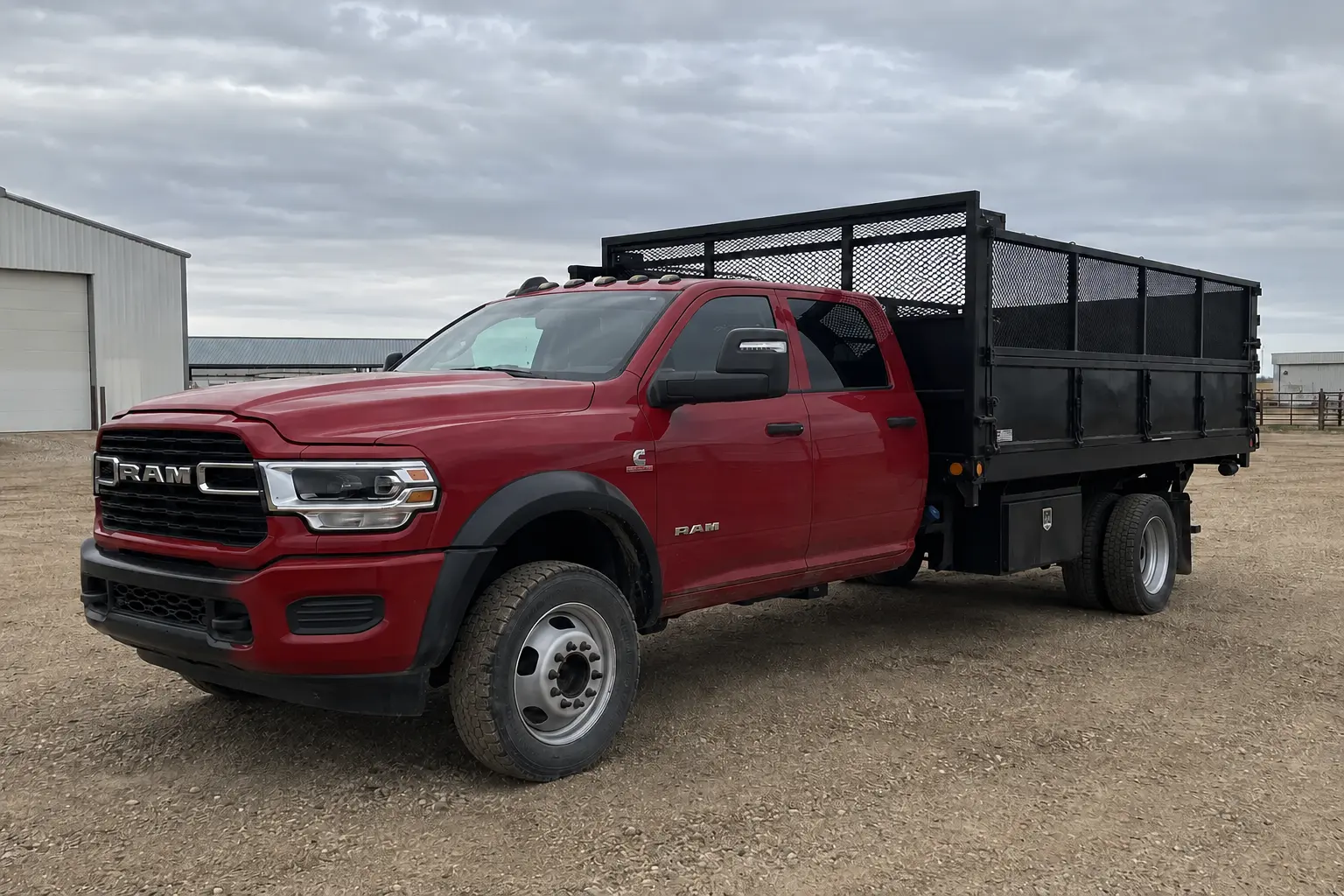
Diesel Landscaping Truck Buying Guide
Choose a landscaping diesel for crew, seasonal materials, trailer equipment, body access and the day's heaviest combined load.
Read Diesel Landscaping Truck Buying Guide
Diesel Farm Truck Buying Guide
Assess a farm diesel for mixed towing, feed and equipment loads, access conditions, seasonal use and service support.
Read Diesel Farm Truck Buying GuideDiesel Fleet Selection for Small Businesses
Compare diesel fleet candidates by job coverage, configuration consistency, service evidence and replacement capacity.
Read Diesel Fleet Selection for Small Businesses
Diesel Equipment-Hauling Truck Guide
Evaluate a diesel truck and equipment trailer using transport configuration, attachments, hitch load, axle weights and loading access.
Read Diesel Equipment-Hauling Truck GuideEvidence note: manufacturer documents establish the specific facts and applications cited. Buying workflows and cost scenarios are DieselTrucks.ca editorial guidance. These pages do not publish measured failure rates or confirm the condition, recall status or capacity of a particular truck.
General educational content for Canadian diesel-pickup research. Verify the exact truck, model year, certification labels, owner manual and manufacturer documentation, and obtain qualified mechanical or towing advice where appropriate.
Sources & Further Verification
Use the exact model year, VIN, truck labels and current manufacturer documentation when moving from general research to a purchase or towing decision.
- Ford Pro: model-year upfitter publications
- GM: body-builder manuals and incomplete-vehicle documentation
- RAM: upfit applications and chassis-cab planning
- Ford 2024 Super Duty owner manual — vehicle-specific certification-label and payload instructions
- GM Upfitter Incomplete Vehicle Documents — VIN-specific label and document request guidance
- GM manuals and guides — model-year owner-literature lookup
- RAM Canada Body Builder guide — manufacturer technical and upfit-document access
- GM Upfitter 2026 Silverado 4500/5500/6500 generic Incomplete Vehicle Document — certification and weight-label fields
- Ford 2026 RV & Trailer Towing Guide V2 — original Super Duty chassis-cab selector revised 14 May 2026
- RAM 2024 Heavy Duty towing and powertrain chart — original manufacturer configuration matrix
- Chevrolet Canada 2026 Trailering Guide — original Canadian conventional and in-bed configuration tables
- GM Upfitter Medium Duty 2026 — current Silverado 4500HD/5500HD/6500HD body-builder document index
- Ford towing guide centre — current model-year guides, archived guides and VIN-calculator guidance
- RAM Canada 2026 Chassis Cab page — current Canadian family and completed-vehicle context