Follow each diesel lineup into its models, engine families, comparisons and marketplace routes.
Compare the truck behind the brand
Start with a truck class that fits your load, then use the manufacturer guide to identify models and engine families. A brand preference can narrow a shortlist, but it cannot establish the payload, condition or service history of a particular vehicle.
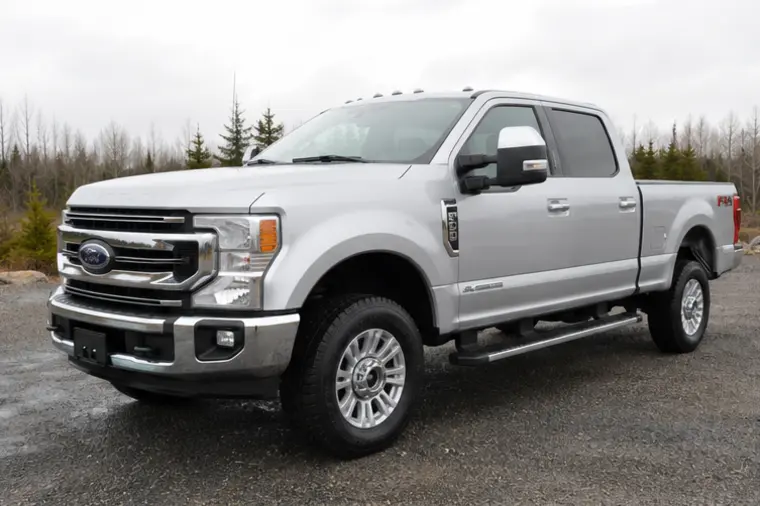
Ford Super Duty research separates Power Stroke eras and pickup/chassis-cab applications.
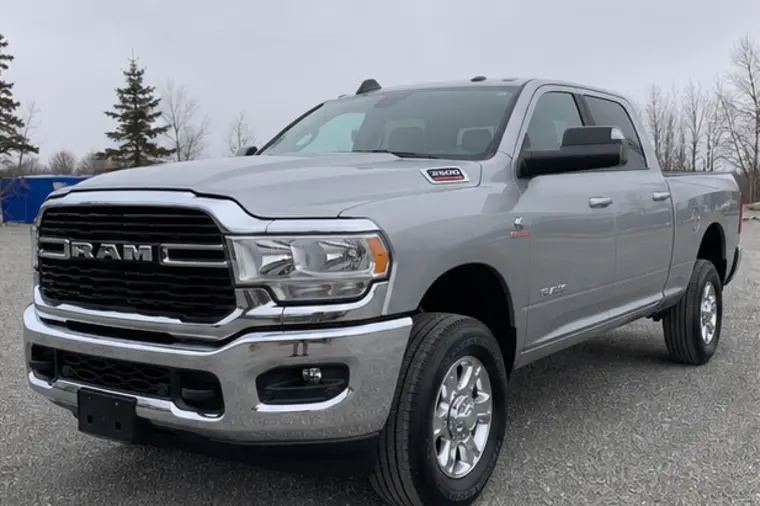
RAM and Dodge research connects Cummins generations with transmission and rear-wheel configuration.
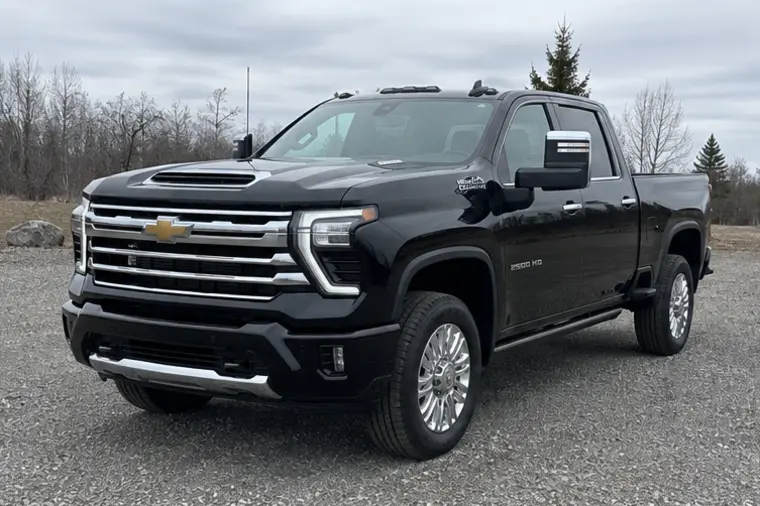
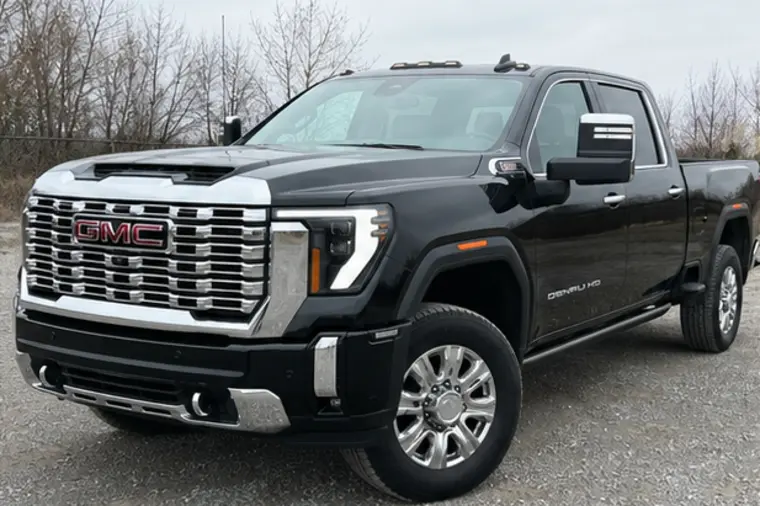
Chevrolet and GMC research separates 3.0L light-duty Duramax trucks from 6.6L HD applications.
Choose a diesel brand through the truck class you need
Ford, RAM, Chevrolet and GMC research begins with different model and engine choices. Compare F-250/F-350 Power Stroke, RAM 2500/3500 Cummins and Silverado/Sierra HD Duramax at the appropriate class. Chevrolet and GMC also offer a separate 3.0L diesel half-ton path; do not use those trucks' specifications as HD substitutes.
Current specifications are useful starting references, while a used buyer must identify the actual year, engine revision and transmission. Cummins' revised 2025 pickup system and GM's separate 3.0L and HD applications illustrate why an engine brand does not define one unchanging truck.
Research diesel trucks across Canadian provinces
Whether you are comparing diesel trucks in British Columbia, Alberta, Saskatchewan, Manitoba, Ontario, Quebec or Atlantic Canada, use the same configuration and condition standard. Keep location as a separate part of the purchase proposition: where the truck is, where it will be registered, how it will be inspected and how it will reach you.
For an out-of-province candidate, confirm the relevant transfer, inspection and registration requirements with the responsible authorities before committing. Ask the insurer about the actual truck and intended use. A seller's location does not establish the requirements at your destination, and a broad brand guide cannot confirm them for an individual transaction.
For Nova Scotia, New Brunswick, Newfoundland and Labrador, or any other destination, price the real route and handover arrangements rather than assuming a national delivery cost. Likewise, a truck advertised in Ontario or Quebec should be evaluated on its own underbody condition; province alone cannot diagnose corrosion or prove a clean history.
Use these brand guides to build the model shortlist, then verify genuine availability through the commercial marketplace and seller evidence. This research page does not establish regional stock levels, dealer relationships or offers.
BRAND AND ENGINE MAP
Follow the model family into the right engine and truck class
Ford, RAM, Chevrolet and GMC organize diesel pickups differently. Start with the class that can carry the loaded job, then identify the model year, engine version, transmission and complete vehicle configuration. A brand badge is a navigation tool, not a payload rating, reliability verdict or statement that a truck is available in British Columbia.
Ford diesel trucks
Model path
F-250, F-350 and pickup-configured F-450; separate chassis-cab applications
Engine path
Power Stroke generations, including the modern 6.7L family
Light-duty, HD and chassis-cab research answer different questions
Light-duty diesel
A half-ton diesel can prioritize daily use, highway range assumptions and moderate towing. Payload can become the limiting check after passengers, bed cargo and hitch weight are added. Chevrolet and GMC's 3.0L Duramax route belongs here, separate from their 6.6L HD trucks.
Three-quarter-ton and one-ton pickups cover broader payload, fifth-wheel and gooseneck work. Cab, bed, 4x2 or 4x4, axle, SRW or DRW and factory equipment can change the useful result under one model name.
A vocational body, tools and installed equipment consume capacity and create a completed vehicle. Keep pickup and chassis-cab specifications, engines and output versions distinct where the manufacturer does.
Use brand history to identify an era, not to rank every year
Diesel names persist while the hardware around them changes. Power Stroke, Cummins and Duramax histories can involve different fuel systems, turbocharging, transmissions, emissions equipment, calibrations and vehicle applications. A body redesign and an engine change do not always arrive together. For a used truck, record the model year and verify the installed engine and transmission before transferring advice from a nearby year.
Older Dodge-branded Cummins pickups belong in the RAM research path but keep their original year and manufacturer identity. Chevrolet and GMC share many GM powertrain families, yet their model, trim and configuration records remain separate. Ford pickup and chassis-cab applications can also have different configuration boundaries. These distinctions are more useful than declaring one badge universally best.
Choose a brand through support, evidence and the exact candidate
Before choosing a badge
Define the loaded work and suitable truck class.
Identify local service capability for the relevant engine era.
Compare parts, downtime and travel assumptions.
Decide whether daily size, ride and access fit your routine.
Before choosing a truck
Collect VIN, labels and configuration photographs.
Reconcile service records with kilometres and engine hours.
Document modifications and emissions-system status.
Obtain an independent, era-specific inspection.
Before choosing by reliability
Separate recalls, bulletins and owner reports.
Check that evidence matches year and application.
Do not turn an affected population into a failure rate.
Verify Canadian VIN status through Canadian channels.
Researching diesel trucks in British Columbia and across Canada
A British Columbia buyer can use the same brand, configuration and inspection framework as a buyer elsewhere in Canada, then add the province-specific transaction, registration, insurance and inspection requirements that apply. Location is not mechanical evidence: inspect corrosion, prior work and condition on the individual truck. For an out-of-province purchase, confirm the destination requirements and transport plan before committing.
This editorial hub does not claim British Columbia inventory, dealer participation, prices or offers. The separate commercial catalogue remains gated until real listing content is available. Use it only as a route to configurations that are actually represented, and obtain vehicle-specific evidence from the seller.
Current manufacturer pages help locate today's lineups and documentation. They do not establish an older truck's equipment or condition. Use the correct model-year manual, towing guide and vehicle labels. For Canadian recall applicability or completion, use the appropriate manufacturer or Transport Canada lookup instead of inferring Canadian status from a U.S. filing.