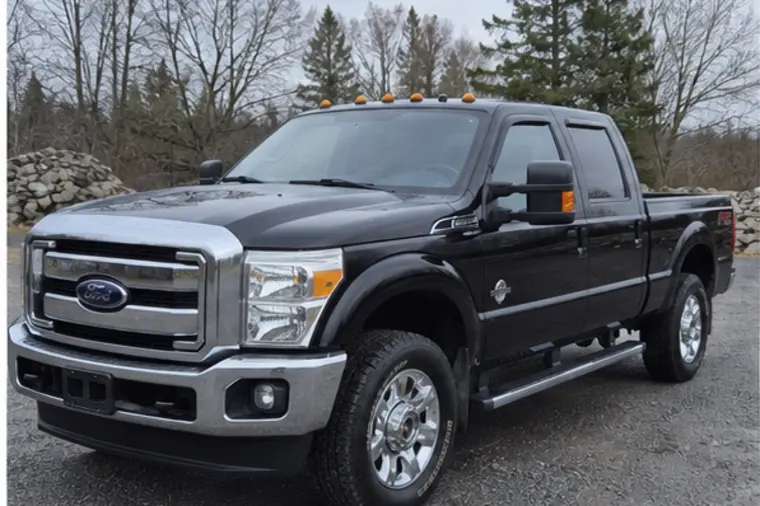
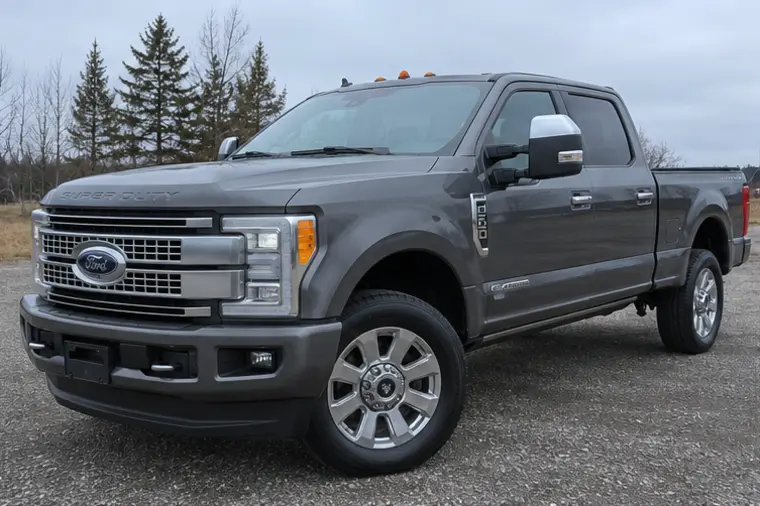
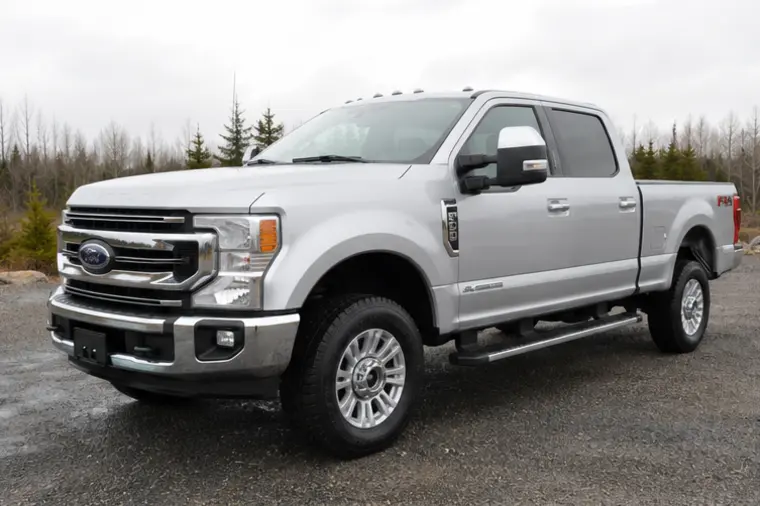
The 6.7L Power Stroke spans multiple Super Duty generations and revisions. A useful buying decision starts with the exact model year and truck configuration, then tests seller claims against records and a qualified inspection.
Identify the 6.7L Power Stroke correctly
Identify the model year, Super Duty model, engine version, transmission and pickup versus chassis-cab application before comparing specifications.
Read the history before the reputation
Review oil and fuel-system service, cooling-system work, emissions warnings, software campaigns, recalls and repairs in the context of the exact year. Do not assume the newest specification applies to an older truck.
Inspection priorities
Arrange a genuinely cold start and a qualified inspection that evaluates the whole truck. One symptom is a reason to investigate further, not a remote diagnosis.
- Confirm the truck is cold and observe starting, warning lamps and idle.
- Scan all relevant modules and retain the report with the inspection notes.
- Inspect for leaks, damaged wiring, non-factory tuning and altered emissions equipment.
- Road-test transmission behaviour and review evidence of sustained towing or idling.
Ownership and use-case fit
Match the truck's payload label, cab, bed, SRW/DRW choice and axle information to the actual work. Engine output alone does not establish towing fit.
Include expected catch-up work, tires, brakes, corrosion, insurance and downtime in the purchase decision. A lower asking price does not automatically offset missing history or a configuration that does not fit the job.
Match the inspection to the exact truck year
Start with the installed engine and transmission, then ask the shop to inspect fuel, cooling and aftertreatment history against that application. Keep a claimed updated component's invoice with the factory identity rather than treating the update as a new vehicle specification.
Compare two candidates using the same written job requirements. If one needs diagnostic time before reliable use, include replacement transport and delay in its acquisition cost. The later year earns value through useful capability, equipment and documented condition rather than an assumed universal reliability advantage.
| Candidate evidence | Why it matters |
|---|---|
| Repeated warning visits | May require follow-up beyond the last replaced part |
| Hours and operating pattern | Adds context to distance and service intervals |
| Towing installation | Identifies work outside the engine inspection |
Evidence note: manufacturer documents establish the specific facts and applications cited. Buying workflows and cost scenarios are DieselTrucks.ca editorial guidance. These pages do not publish measured failure rates or confirm the condition, recall status or capacity of a particular truck.
General educational content for Canadian diesel-pickup research. Verify the exact truck, model year, certification labels, owner manual and manufacturer documentation, and obtain qualified mechanical or towing advice where appropriate.
Sources & Further Verification
Use the exact model year, VIN, truck labels and current manufacturer documentation when moving from general research to a purchase or towing decision.