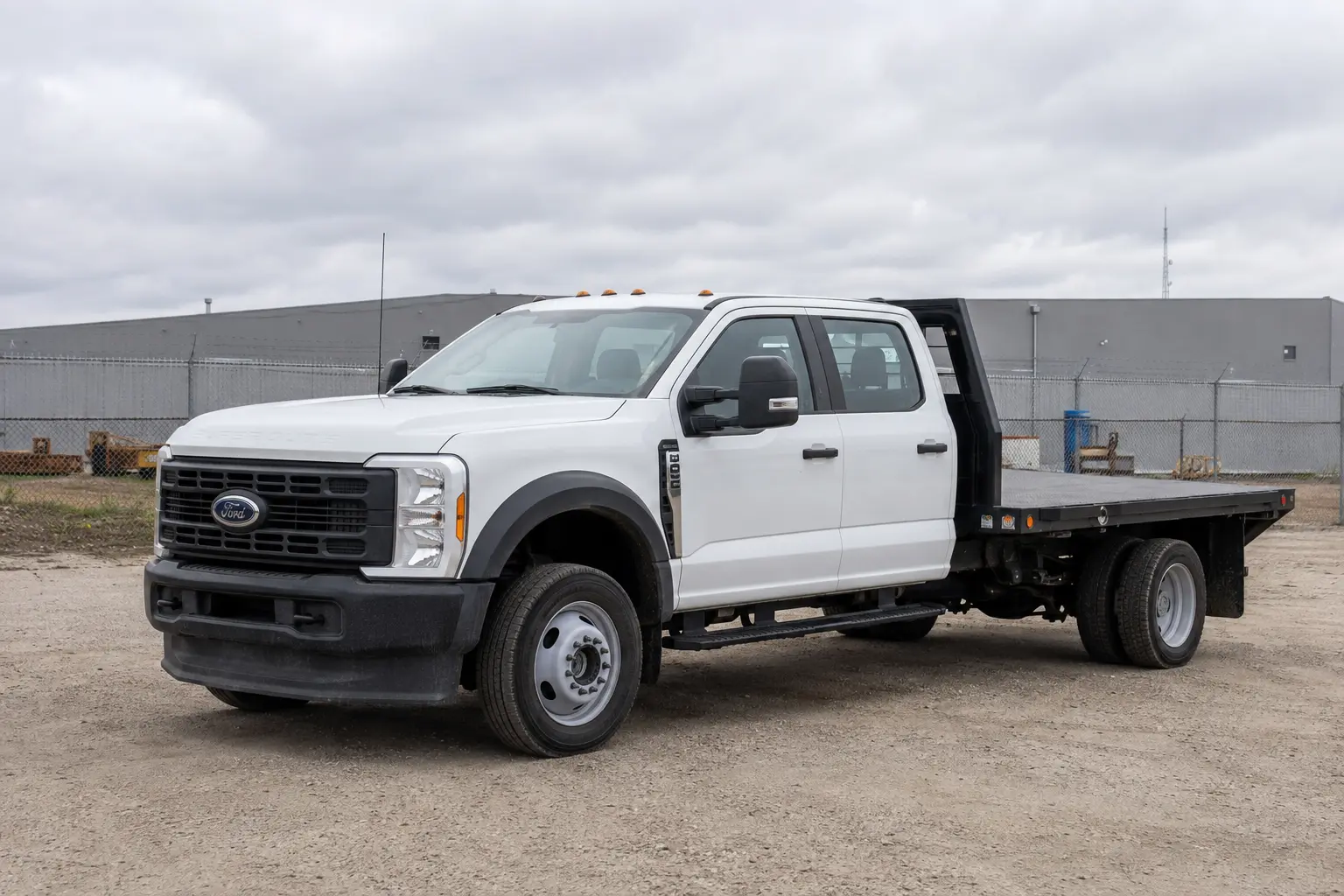
A welding rig is a mobile equipment installation. The right chassis depends on the welder, bottles, leads, tools and material carried every day, not merely the engine badge.
Build the buying decision
List equipment
Welder + cylinders + leads + material
Review installation
Mounting + ventilation + work access
Prove readiness
Axle weights + equipment condition
Build an equipment manifest
Record the welder's installed weight, mounting base, reels, cylinders, tools, consumables and recurring steel loads. Include fuel for separate equipment and any auxiliary tank. Ask for actual equipment specifications instead of estimating from cabinet size.
Place the equipment on a proposed body layout and ask the installer to evaluate weight distribution and access. Distinguish fixed equipment from variable consumables so you can assess both a typical day and the heaviest planned day. Weigh the completed rig by axle before accepting the load plan.
Review the installation with the right specialists
Request body and equipment invoices, mounting instructions and maintenance records. A qualified upfit shop should inspect mounts, frame attachments, protected wiring and clearances. Have the equipment supplier review ventilation, exhaust, electrical supply and operating access for the particular welder.
Cylinder transport, securement and handling require current guidance for the specific gases and operation. Confirm those arrangements with the supplier and relevant authorities. This truck-buying guide does not provide a cylinder-transport approval or a welding procedure.
Compare productive condition
A roadworthy truck may still contain an unreliable welder. Arrange a controlled equipment demonstration by a qualified operator and obtain an equipment repair estimate independently of the engine inspection.
Ask whether the truck engine idles to support work or whether the welder supplies its own power. Relate that operating pattern to hours and documented servicing. Price a substitute rig, not just a rental pickup, when evaluating downtime: replacing the transport may not replace the tools needed to finish the job.
Evidence note: manufacturer documents establish the specific facts and applications cited. Buying workflows and cost scenarios are DieselTrucks.ca editorial guidance. These pages do not publish measured failure rates or confirm the condition, recall status or capacity of a particular truck.
General educational content for Canadian diesel-pickup research. Verify the exact truck, model year, certification labels, owner manual and manufacturer documentation, and obtain qualified mechanical or towing advice where appropriate.
Sources & Further Verification
Use the exact model year, VIN, truck labels and current manufacturer documentation when moving from general research to a purchase or towing decision.