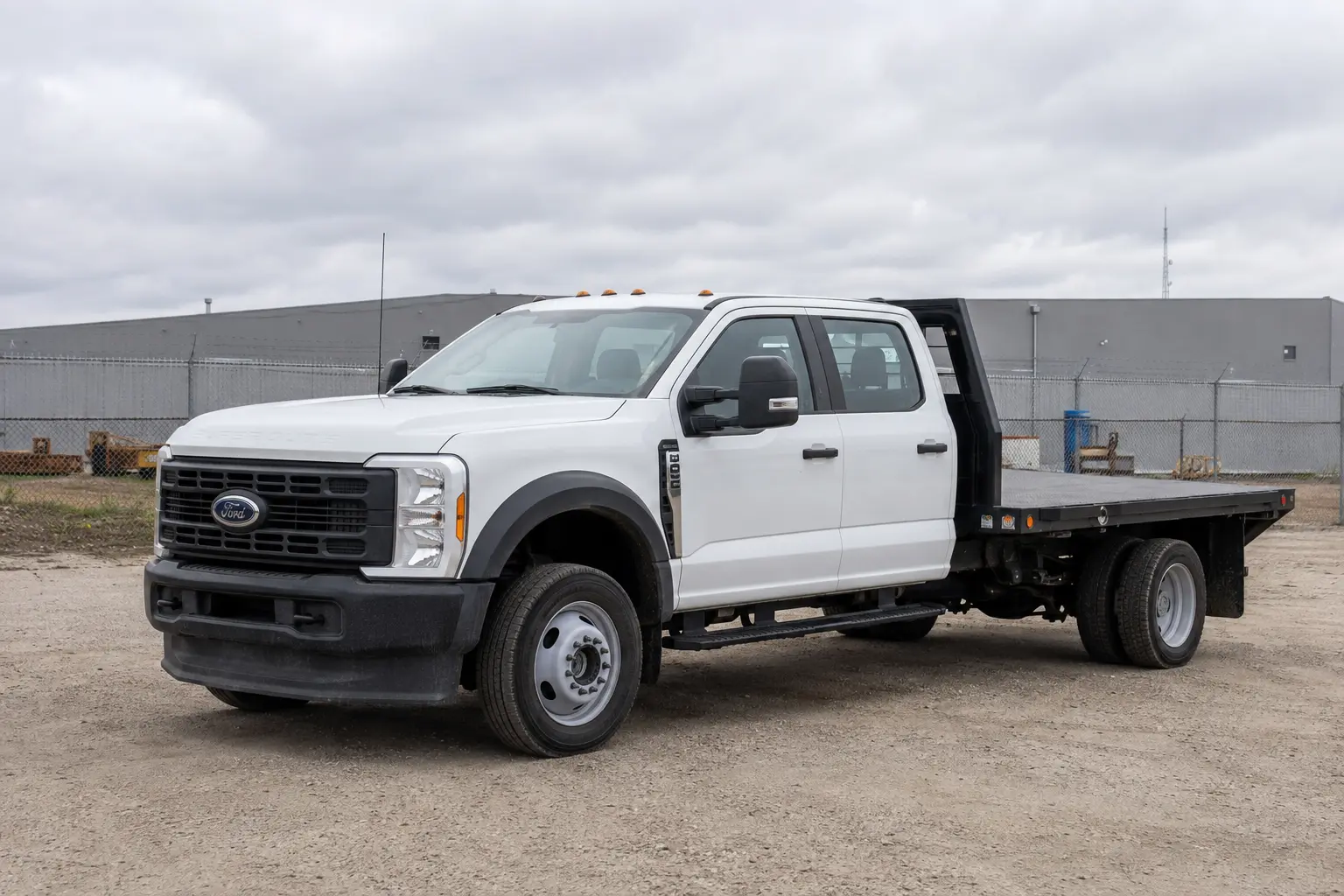
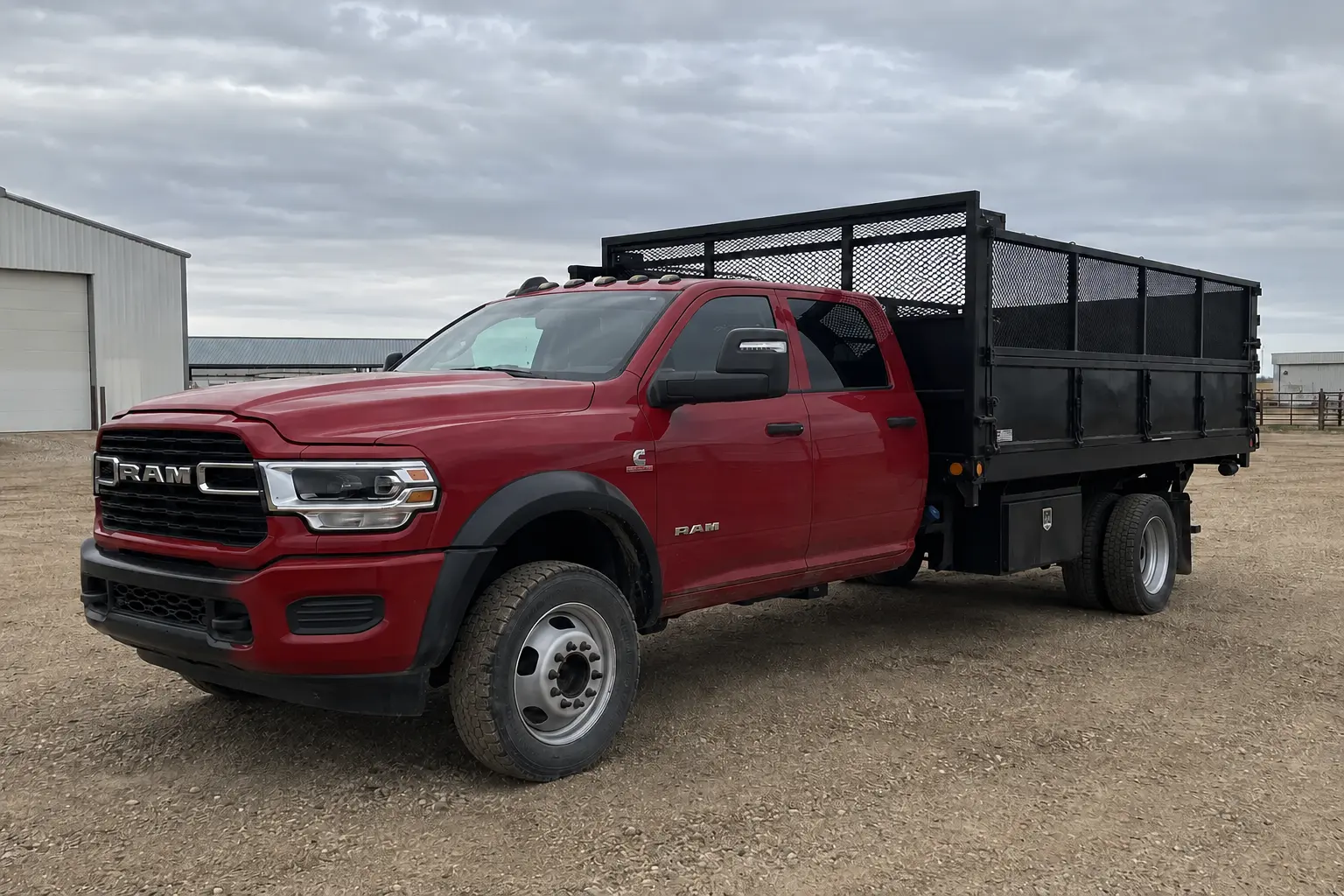
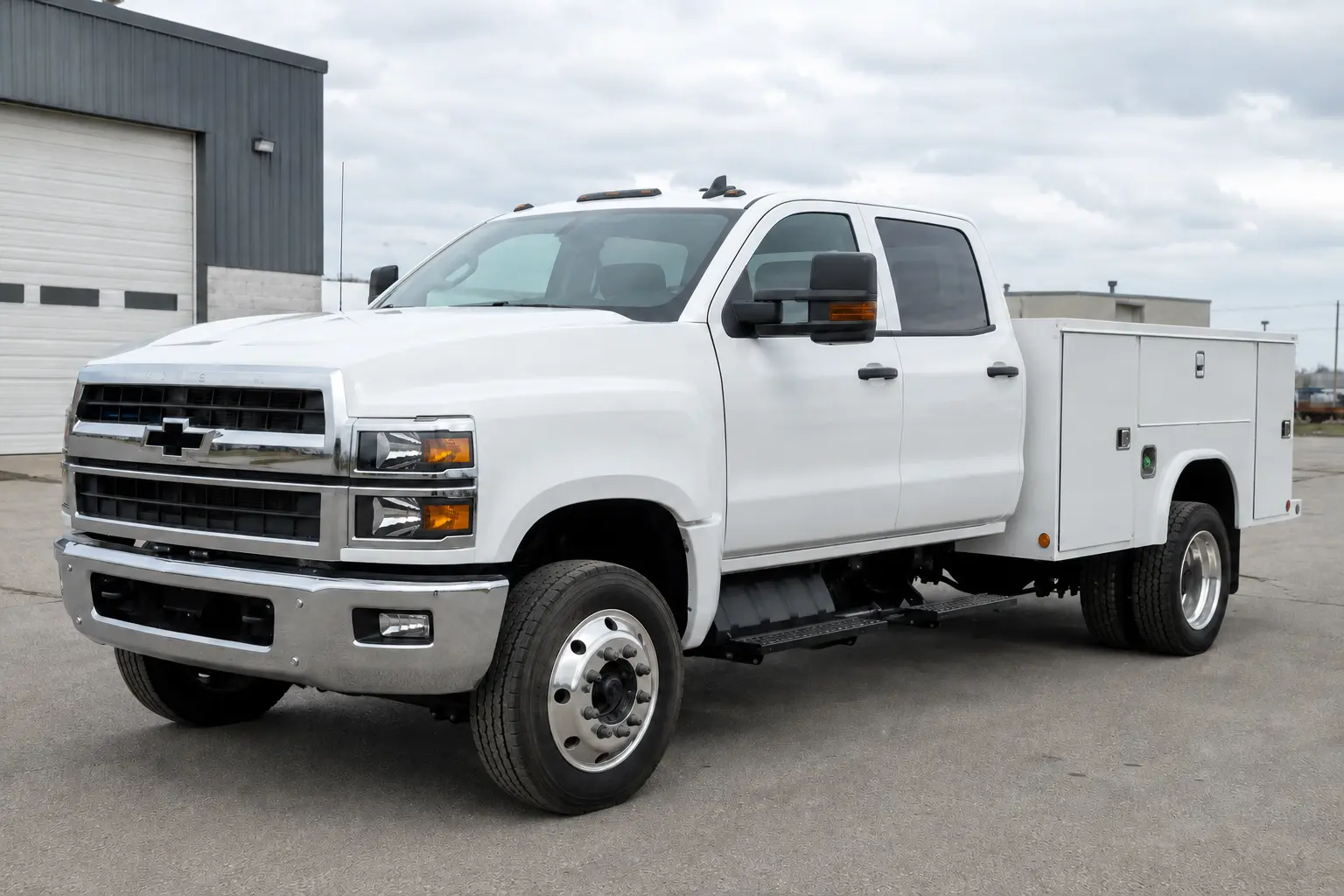
A small fleet benefits from repeatable decisions. Standardize the evidence collected on each truck before deciding whether to standardize on one badge or generation.
Build the buying decision
Map job coverage
Which exact truck can cover each job?
Use one intake file
Labels + records + inspection + repair quote
Measure availability
Service days + substitutes + actual costs
Define job coverage before fleet uniformity
List recurring jobs and identify the truck configurations that can cover each one with verified ratings. Include body type, cab seats, hitch equipment, axle loads and access constraints. Two trucks sharing an engine may still be unable to substitute for each other.
Create a simple coverage matrix: rows are jobs and columns are trucks. Mark a job covered only after checking the actual completed configuration. An apparently versatile spare may be unavailable to the job that produces the greatest cost when interrupted.
Standardize records and inspection
Use one intake file for VIN, labels, installed equipment, hours, kilometres, service invoices, scan report and initial repair estimate. Apply the same inspection scope to a dealer candidate and a private-sale candidate.
Ask the shop whether common parts, diagnostic familiarity and service procedures would produce a practical benefit from similar powertrains. Balance that against concentrating the fleet in the same age and repair cycle. Manufacturer campaign information can identify a check to perform; it does not predict the failure rate of your fleet.
Test replacement and service assumptions
Calculate whether routine maintenance can be staggered without cancelling work. Quote substitute vehicles with the correct body and hitch, then account for transferring tools and equipment. A rental pickup may not replace a service or dump truck.
Track actual fuel, maintenance, unscheduled repairs and days unavailable after purchase. Compare like-for-like duty and distance before judging one engine more economical. This creates business evidence for the next purchase without treating anecdotal fleet experience as a universal reliability ranking.
Evidence note: manufacturer documents establish the specific facts and applications cited. Buying workflows and cost scenarios are DieselTrucks.ca editorial guidance. These pages do not publish measured failure rates or confirm the condition, recall status or capacity of a particular truck.
General educational content for Canadian diesel-pickup research. Verify the exact truck, model year, certification labels, owner manual and manufacturer documentation, and obtain qualified mechanical or towing advice where appropriate.
Sources & Further Verification
Use the exact model year, VIN, truck labels and current manufacturer documentation when moving from general research to a purchase or towing decision.