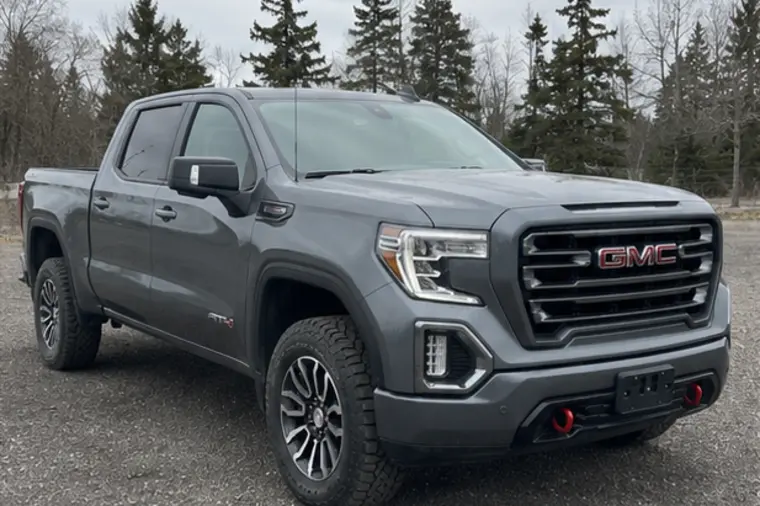
GMC Sierra 1500 diesel problems are best investigated through the exact engine, build and symptom. This guide focuses on 3.0L diesel candidates, where a rough-running complaint, transmission concern and emissions warning can require very different work. It also explains how to inspect a used half-ton as a complete vehicle before letting its trim, fuel-economy appeal or tow rating decide the purchase.
Sierra diesel issue map: identify the truck before the diagnosis
Record the VIN, model year, engine code and build information before collecting repair opinions. LM2 and LZ0 are useful identifiers; the Duramax badge alone is not enough. Keep gasoline-engine complaints outside this diesel assessment unless the particular concern is independently verified for the vehicle being inspected.
This is a shortlist of documented questions, not proof that every Sierra has these problems. A bulletin describes a diagnostic situation. A recall identifies a safety concern and a defined population. Neither document measures the remaining life of the truck parked in front of you.
| Concern | Document to match | Inspection priority |
|---|---|---|
| Harsh shifts or a campaign entry | Canadian recall 2024637 | Current VIN status and the present transmission condition |
| Rough running and multiple warnings | 21-NA-149, LM2-specific sections | Original codes and documented wiring diagnosis |
| Engine warning on a 2023 LZ0 | 23-NA-071 | Applicable calibration and follow-up findings |
| Smoke or a DPF-related code | 16-NA-380 | Distinguish the reported code and diagnosed fault |
| Trailer load, tire wear or accessory wiring | Individual truck inspection | Assess the installed equipment and intended use |
Transmission recall: verify completion and current behaviour
Transport Canada recall 2024637 covers specified 2020–2022 diesel Sierra applications. Valve wear can produce harsh shifts and wheel lock-up. The remedy uses software monitoring; detection can trigger warnings and a fifth-gear limit.
For a Canadian purchase, ask GMC for a current VIN-based campaign check and keep the response with the inspection. If a seller reports that the update was completed, request the work order. Then ask a separate question: has the transmission needed diagnosis or mechanical work since that visit? A completed campaign entry does not answer that question.
Treat an unexplained shift event as an unresolved condition during the buying decision. Describe when it happened, whether the truck was warm, and whether a trailer was attached. Do not attempt to trigger wheel lock-up on a test drive. Arrange a qualified assessment and follow the manufacturer's instructions for the affected vehicle.
LM2 wiring: several warnings do not automatically mean several failed parts
The May 2022 version of 21-NA-149 includes 2020–2021 Sierra 1500 and specified 2022 Limited models with LM2. Its LM2 sections discuss rough running, misfires and low power, with wiring inspection before unnecessary module replacement. Canada is included; the document's other engine sections must be read separately.
If the candidate has a history of repeated warning lights, ask for the original diagnostic report, not simply a list of parts bought. Were the symptoms intermittent? Did the shop locate physical damage or demonstrate an electrical fault? Does the final invoice identify what was corrected and how operation was verified afterward?
A replacement control module can be an expensive line on an invoice without explaining why the fault stopped. Conversely, a documented wiring repair should not automatically disqualify a truck. The useful distinction is between a located, repaired and checked fault and a recurring complaint that has generated speculative replacements.
LZ0 software guidance has its own year boundary
GM bulletin 23-NA-071 concerns 2023 Sierra 1500 and Silverado 1500 with the LZ0 engine, including Canada. It describes certain warning-light/code combinations potentially linked to software and directs technicians to check available ECM updates, then use service diagnostics when appropriate.
On a 2023 Sierra, retain both the code report and any programming invoice. A statement that a warning is “only software” is not a diagnosis. Ask whether the actual codes matched the service guidance, whether an applicable update was installed and whether the symptom returned. A warning that reappears needs follow-up rather than repeated clearing before each viewing.
This source does not establish a blanket software cure for every 3.0L diesel. Do not extend its year range simply because a later truck carries the LZ0 name. The current VIN, calibration and workshop findings control the service decision.
Smoke, regeneration and a DPF fault are different questions
GM's September 2022 16-NA-380 covers specified diesel/DPF applications through 2023 and distinguishes filter-integrity concerns from pressure-sensing faults. A DPF-related code is therefore a starting point for diagnosis, not a universal instruction to perform regeneration.
Ask what appeared on the instrument panel, which codes were stored and what the technician found. Retain the distinction between a maintenance message, a diagnosed component defect and evidence of altered equipment. A seller's explanation that the truck needs a long drive should be supported by the actual service information for that condition.
Make emissions-system completeness part of the purchase inspection. A quiet dashboard after codes were cleared does not replace a physical assessment and follow-up scan. Do not authorize an unqualified regeneration procedure or an emissions modification as a shortcut to closing the sale.
Use a cold-to-warm inspection plan
Agree in advance that the inspecting shop can see the truck before it is warmed for the appointment. Record ambient conditions, starting behaviour, warning messages and any unusual smoke or sound. If the seller has already driven it, document that limitation and arrange another observation when cold behaviour is relevant to a reported complaint.
Ask the technician to scan the systems appropriate to the vehicle and retain the findings with the inspection. A code list without operating context is incomplete. A clean scan is also only one observation, so compare it with service records and the seller's account of intermittent issues. Check whether recent battery or diagnostic work explains any incomplete monitoring information.
During an appropriate road assessment, evaluate engagement, shifts, braking and steering without provoking unsafe conditions. Follow that with a leak and condition review. The goal is a connected account of the vehicle from arrival through warm operation, not a collection of disconnected photographs and a reassuring five-minute drive.
Half-ton ownership problems can begin with the wrong load plan
Before selecting a diesel Sierra 1500 for towing, write down the actual people, cargo, hitch and trailer loading it will carry. Use the truck's labels and exact manufacturer documentation. A trim badge or a maximum advertised for the model family cannot tell you the remaining allowance on an accessorized candidate.
Inspect existing hitch installations, bed accessories, tires and suspension changes. If you are buying a truck that already has heavy equipment fitted, include that equipment in the assessment. Ask the shop to separate a worn component, an unsuitable installation and a capacity mismatch; each leads to a different buying decision.
A half-ton that suits a commute and occasional trailer may be a poor fit for a permanently loaded work assignment even when mechanically sound. Resolve that fit question before spending the inspection budget trying to make the candidate suit a job it was never verified to perform.
Build a repair budget around findings
Divide an inspection estimate into immediate safety or drivability work, scheduled maintenance, and optional improvements. Ask for parts, labour, diagnostic time, fluids, programming and taxes to be identified. Where disassembly is needed to establish the final scope, record the estimate's assumptions and the amount of uncertainty still open.
Consider how the truck will be supported during a repair. For a family vehicle, arrange alternate transportation; for a work vehicle, consider whether the replacement can carry the same equipment. Obtain actual local availability and prices rather than applying a generic online transmission or engine-repair figure to every problem.
A completed repair with a clear diagnosis, invoice and successful follow-up can be easier to evaluate than a cheaper truck with an unresolved intermittent complaint. Keep any discount tied to a written scope. A price reduction does not make an unknown fault known, and it does not make an unsafe vehicle ready for service.
Prevention and service records worth keeping
Keep a dated service log with kilometres, the applicable maintenance schedule, fluid specifications and the work performed. Ask for documentation behind dashboard maintenance resets. Review the exact owner's manual when changing the truck's use, especially when it moves from occasional personal driving to regular towing or commercial work.
Record the first appearance of a warning rather than waiting until several visits blur together. Useful notes include temperature, road conditions, fuel stop, recent maintenance, load and whether the event recurred. Provide those observations to the shop without selecting a failed component in advance. The technician can then test the relevant possibilities instead of starting from an assumed diagnosis.
After repairs, preserve the original complaint, the confirmed cause and the post-repair result as separate items. That history helps the next technician and makes your eventual sale easier to assess. It also helps distinguish a new issue from the return of an earlier one.
Sierra 1500 diesel problems: buyer FAQs
Does a 2022 Sierra Limited use the same service guidance as every other 2022 Sierra? No. The cited wiring bulletin has a defined Limited application. Check the build and engine information rather than applying the model year alone.
Does a software update mean the transmission was replaced? No. Read the work order and ask separately about hardware diagnosis and repairs. Campaign completion and current mechanical condition are different evidence items.
Should I reject every Sierra with a repaired wiring fault? Evaluate the diagnosis, repair documentation and follow-up condition. A source bulletin does not by itself establish the quality of a particular used truck.
Can this page identify the most reliable Sierra year? It identifies problem investigations. A year-ranking decision also needs exposure, severity, maintenance and use evidence; do not turn the presence of a bulletin into a failure-rate ranking.
Evidence note: manufacturer documents establish the specific facts and applications cited. Buying workflows and cost scenarios are DieselTrucks.ca editorial guidance. These pages do not publish measured failure rates or confirm the condition, recall status or capacity of a particular truck.
General educational content for Canadian diesel-pickup research. Verify the exact truck, model year, certification labels, owner manual and manufacturer documentation, and obtain qualified mechanical or towing advice where appropriate.
Sources & Further Verification
Use the exact model year, VIN, truck labels and current manufacturer documentation when moving from general research to a purchase or towing decision.