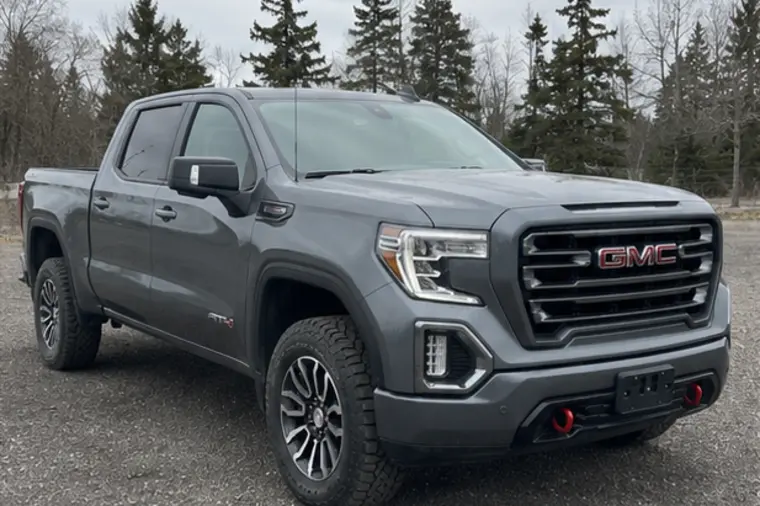
A 2023 GMC Sierra 1500 with the LZ0 is a useful starting point when you want the second-generation 3.0L diesel. A documented earlier LM2 can still be the better individual purchase. Choose the engine generation and truck configuration first, then compare maintenance, campaign status and present condition. The evidence here supports an equipment-based shortlist, not a statistically proven best year.
The best-year answer depends on what you are buying
Start with 2023 if your reason for choosing a later truck is the LZ0 engine generation. GM identifies the LZ0 as the successor to LM2, and its 2023 Sierra 1500 service bulletin explicitly identifies that engine application. Neither document establishes that 2023 trucks fail less often than other years. A later powertrain is a different purchase proposition, not an automatic reliability guarantee.
An earlier LM2 deserves consideration when its condition and history are stronger, the configuration meets your needs and the outstanding work is understood. Avoid selecting a year solely because it is outside one campaign's published window. A recall describes a particular concern; it is not a complete inventory of everything that could affect the next truck you inspect.
Before comparing advertisements, decide how much uncertainty you can absorb. An owner with flexible travel dates and access to another vehicle can evaluate a repairable concern differently from someone whose truck must begin a remote work assignment next week. That distinction can change the better purchase without changing either candidate's underlying mechanical condition.
Separate the engine generation from the badge
Do not let a generic Sierra search combine gasoline and diesel results. The 2020 GMC guide lists the 3.0L with a 10L80 ten-speed; its HD diesel table identifies a different transmission. A complaint about an unrelated gearbox or a gasoline engine cannot rank the diesel candidate just because both trucks wear a Sierra badge.
The 2022 model description also matters. GM's cited wiring bulletin narrows its 2022 Sierra application to the Limited variant with specified identifiers. Confirm the actual build before deciding a service document applies. A listing's abbreviated title is insufficient evidence of the vehicle's exact equipment.
| Candidate group | Why consider it | Evidence to request |
|---|---|---|
| 2020–2022 LM2 candidates | Earlier 3.0L alternative with an inspectable service history | Engine identity, correct 2022 variant, campaign check and repair records |
| 2023 LZ0 candidate | A reference year for the revised engine application | Build information, software history and current diagnostic results |
| Later LZ0 candidate | Updated equipment may better match your preferences | Exact model-year documents rather than assumptions from a current brochure |
| Gasoline Sierra 1500 or Sierra HD | A separate powertrain or load-class decision | Its own engine, transmission and loading evidence |
Match the half-ton to the trip before selecting a year
Write down the fully loaded trailer, passengers, hitch equipment, bed cargo and accessories you intend to carry. Then obtain the candidate's labels and the correct towing information. A premium trim, off-road package or attractive wheel combination should be evaluated as part of that actual configuration. It does not establish the truck's remaining carrying capacity after your equipment is installed.
For a travel trailer, include the things that stay in the truck during the trip: people, pets, luggage, recovery gear and tools. For a work trailer, think about the busiest day rather than an empty return journey. Obtain measured weights where possible. If the proposed combination does not fit, selecting a newer diesel year does not solve the underlying capacity mismatch.
Consider the Sierra 2500HD when the real assignment calls for a different load class. That comparison should include daily parking, ride expectations, dimensions and the practicality of the intended trailer connection. The best 1500 year is irrelevant if the 1500 itself is the wrong vehicle for the job. Conversely, buying a larger truck without needing its capability can introduce tradeoffs that matter during ordinary use.
Use campaign history as a purchase check
Transport Canada recall 2024637 lists specified 2020–2022 diesel Sierra applications for a transmission-control-valve concern. Check the candidate's VIN with GMC and retain the result. A model-year match prompts that check; it does not establish an individual truck's open status, completed remedy or transmission condition today.
When the seller says the recall is complete, ask for the dated repair order and the mileage when the work was performed. Also ask whether there were shift complaints before or after the visit. A campaign entry and a repair for an existing mechanical symptom answer different questions. You need enough information to understand both, particularly before committing the truck to loaded travel.
Do not reject an otherwise suitable candidate simply because its history contains documented work. A clear diagnosis, completed repair and meaningful symptom-free use can be more informative than an advertisement with no history at all. Equally, a long stack of invoices does not resolve a fault if the same complaint continues after repeated visits.
Compare two candidates using the same evidence
Use the table to compare like with like. If one candidate has a recent independent inspection and the other has only a seller's assurance, do not treat their evidence as equivalent. Obtain the missing information before attributing the difference to the model year. This approach also helps you decide whether a second inspection would answer a meaningful question or merely repeat work already completed.
Record what would change your decision. You might accept one truck after a specific repair and a satisfactory recheck, while another remains unsuitable because of capacity or access needs. That written distinction keeps the purchase tied to your requirements when an appealing specification or cosmetic detail distracts from the original purpose.
| Decision item | Stronger purchase evidence | Reason to pause |
|---|---|---|
| Identity | Engine and equipment verified against the actual vehicle | Listing, labels and records disagree |
| Maintenance | Dated invoices with consistent mileage and applicable work | Broad claims without supporting details |
| Current operation | Independent inspection, scan and normal road evaluation | Repeated warnings or unexplained recent code clearing |
| Towing suitability | Actual configuration and loaded combination checked | Reliance on a range-wide advertised maximum |
| Repair support | A diagnosed scope, realistic appointment and usable substitute | Purchase depends on an unverified quick fix |
Inspection priorities for an LM2 or LZ0 shortlist
Arrange a cold start when practical, confirm the vehicle has not simply been warmed before arrival and have a qualified technician review its diagnostic history. Observe starting, idle, warning messages and the transition to normal operating temperature. The objective is a reproducible account of the truck's behaviour, not an aggressive test designed to force a failure.
Ask the inspector to distinguish a warning's cause from the dashboard message itself. The cited LM2 wiring and 2023 LZ0 software documents demonstrate why apparently similar complaints may require different investigations. A code list is a starting point for diagnosis. It is not proof that an expensive component needs replacement, nor proof that a software update will solve every occurrence.
Inspect the rest of the truck with equal care. Bed damage, hitch installation, tire condition, brake wear, corrosion and aftermarket wiring can affect whether this particular Sierra suits the next owner. Photograph the relevant labels and visible findings with permission. Retain the inspection alongside the service records so that the purchase decision has a traceable basis.
Ownership fit after the purchase
Build a maintenance plan from the correct model-year documentation and the way the truck will actually be used. Ask the servicing shop what records it needs to distinguish completed work from work now due. Do not substitute an internet interval for the applicable schedule, or assume that a previous owner's usage matches yours because the annual distance is similar.
Keep an initial reserve based on identified work and obtain written estimates for unresolved items. Separate immediate repairs from normal consumables and optional improvements. There is no defensible universal repair allowance for every Sierra 1500 diesel; a candidate with tire and brake needs presents a different budget from one awaiting diagnosis of intermittent reduced power.
For commercial use, confirm that a temporary replacement can handle your real trailer and load. A generic rental vehicle may keep someone mobile without completing the same job. For recreation, leave enough time for inspection and follow-up work before departure. Purchase timing and support arrangements can matter as much as choosing between two adjacent model years.
Sierra 1500 best-year questions
Is 2023 automatically the most reliable year? No. It is the LZ0 reference used in this shortlist, with a year-specific service record, not a measured reliability winner.
Should I dismiss the LM2? No. Judge the exact engine, vehicle history, campaign status and current condition against your requirements.
Does a later engine make the truck suitable for a heavier trailer? Only the actual vehicle's loading and towing evidence can answer that question.
What should break a tie between similar trucks? Prefer the candidate with stronger relevant evidence and a better fit for the job, after accounting for documented work still required.
Evidence note: manufacturer documents establish the specific facts and applications cited. Buying workflows and cost scenarios are DieselTrucks.ca editorial guidance. These pages do not publish measured failure rates or confirm the condition, recall status or capacity of a particular truck.
General educational content for Canadian diesel-pickup research. Verify the exact truck, model year, certification labels, owner manual and manufacturer documentation, and obtain qualified mechanical or towing advice where appropriate.
Sources & Further Verification
Use the exact model year, VIN, truck labels and current manufacturer documentation when moving from general research to a purchase or towing decision.
- GM LZ0 technical description — later 3.0L version and LM2 comparison
- GM 23-NA-071, April 2023 — 2023 LZ0 engine software
- GMC 2020 trailering guide — original manufacturer powertrain and configuration tables
- GM 21-NA-149, May 2022 — engine-specific wiring diagnosis
- Transport Canada 2024637 — diesel transmission recall
- Chevrolet Canada manuals and guides