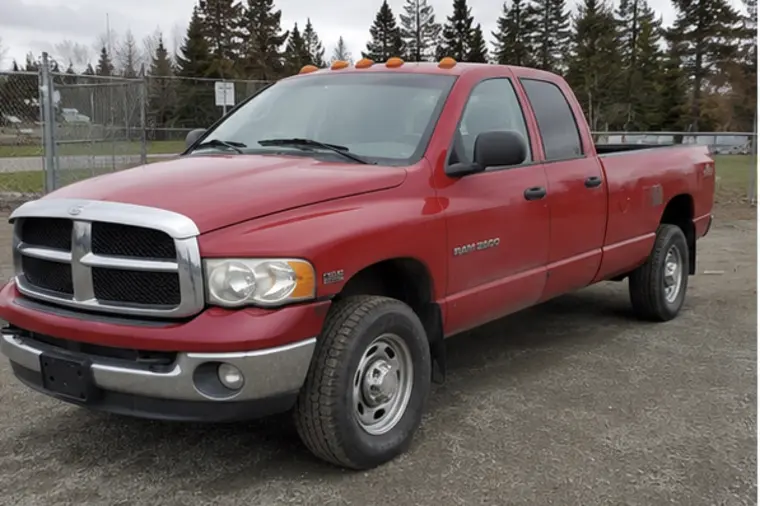
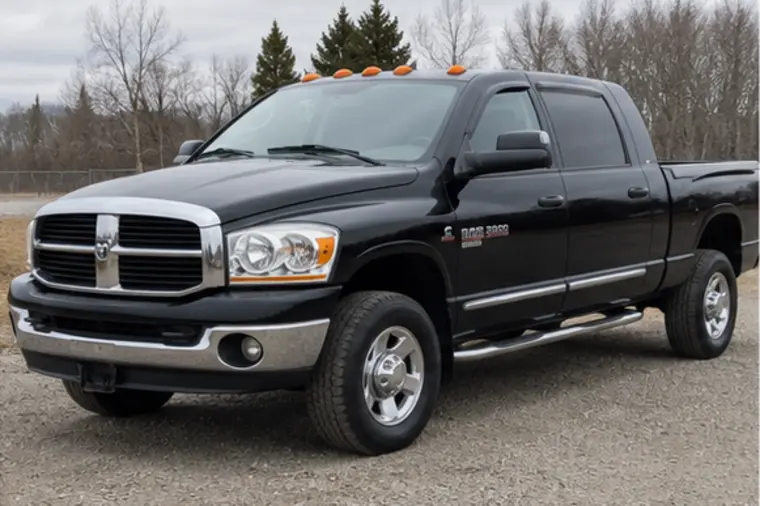
Third-generation Dodge Ram diesel trucks cross a Cummins displacement and emissions transition. Exact model year, engine, transmission and current chassis condition are more useful than treating the generation as one truck.
Place the truck in the correct era
Confirm the model year and whether the truck remains within the third-generation body context, then document 2500/3500, cab, bed and SRW/DRW configuration.
Engine and transmission context
This generation includes 5.9L and early 6.7L Cummins applications. Transmission choices and emissions context vary, so verify the exact truck rather than guessing from a grille or badge.
Cab, bed, axle and rear-wheel choices
Mega Cab, regular/quad cab, bed and DRW choices affect dimensions, payload and previous-use evidence.
Used-buying questions for this era
Ask how the truck was used and require the history to support the seller's description.
- Which Cummins and transmission are documented?
- What do front-end, steering, suspension and tire condition show?
- Are modifications and emissions status fully disclosed?
- Do frame, body, bed and hitch areas support the claimed history?
Treat the 5.9L-to-6.7L change as a buying fork
Cummins places the 6.7L launch in 2007. That makes exact engine identification important when researching trucks around the transition; a broad third-generation label does not establish fuel-system or emissions configuration. Confirm the installed engine and relevant documentation before using an inspection checklist.
Compare transmission history, corrosion, steering, cab condition and modifications alongside the engine. A 5.9L and an early 6.7L candidate can have very different repair histories even at similar kilometres. For commercial use, write the job and repair-support requirements first, then evaluate whether either truck is ready to meet them. Avoid paying for an engine reputation while leaving the completed vehicle unexamined.
Identify the engine at the 2007 boundary
Cummins records the 6.7L launch in 2007. For a third-generation candidate near that boundary, establish whether the truck has a 5.9L or 6.7L before applying a fuel-system or emissions inspection scope. Keep the exact transmission as a separate field.
Cab and body options also change the working package. Measure the bed and passenger space that the job needs, then compare the labelled and measured load capacity. An engine preference should not hide a cab or load mismatch.
| Branch | Question worth resolving |
|---|---|
| 5.9L candidate | Which injection-era application and replacement components are installed? |
| Early 6.7L candidate | What original emissions equipment and warning history are documented? |
| Either engine | Do steering, cab, frame and drivetrain condition support the asking price? |
Evidence note: manufacturer documents establish the specific facts and applications cited. Buying workflows and cost scenarios are DieselTrucks.ca editorial guidance. These pages do not publish measured failure rates or confirm the condition, recall status or capacity of a particular truck.
General educational content for Canadian diesel-pickup research. Verify the exact truck, model year, certification labels, owner manual and manufacturer documentation, and obtain qualified mechanical or towing advice where appropriate.
Sources & Further Verification
Use the exact model year, VIN, truck labels and current manufacturer documentation when moving from general research to a purchase or towing decision.