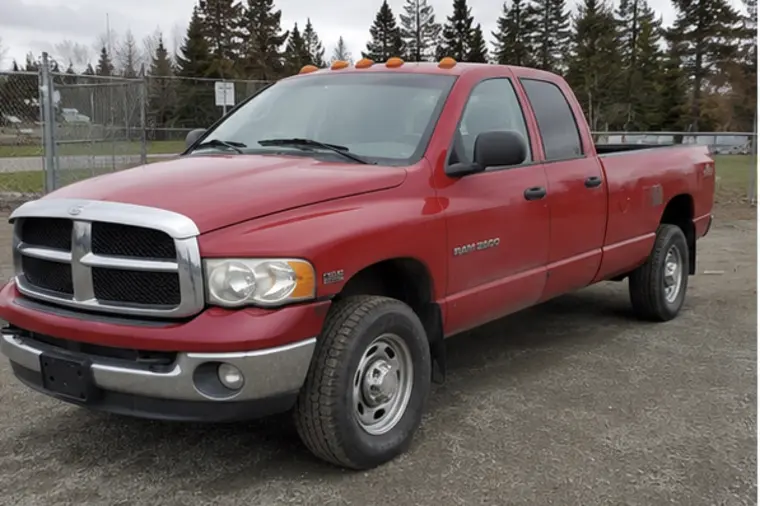
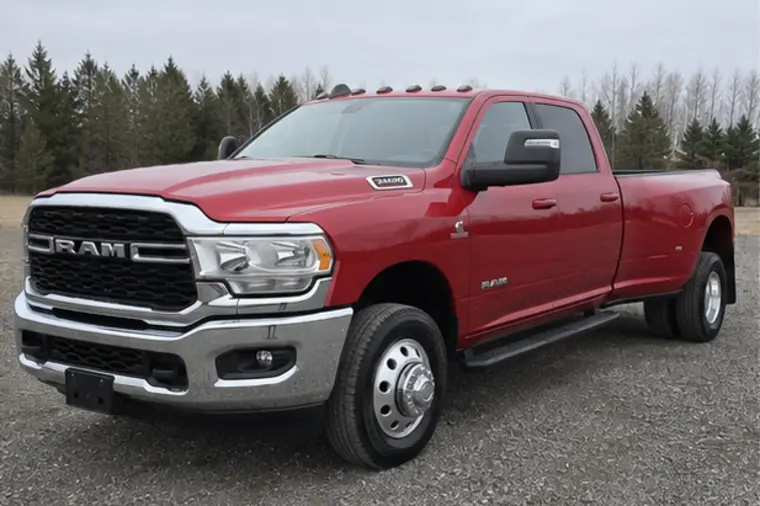
This is an ownership comparison across very different truck ages and configurations. The engine's displacement is a useful starting point, but it cannot establish the better commercial purchase on its own.
Build the buying decision
Identify exact era
Engine + injection/application + truck year
Assess complete condition
Chassis age + emissions status + transmission
Compare readiness
Initial repairs + work fit + local support
| Decision factor | Option and use case | Compared alternative |
|---|---|---|
| Identity | 5.9L: distinguish injection era and complete truck age. | 6.7L: distinguish year, application and emissions configuration. |
| Inspection emphasis | Age-related chassis, electrical and powertrain condition. | Duty fit, warning history and exact powertrain condition. |
| Business choice | Local support and documented readiness. | Local support and documented readiness. |
Identify the era within each name
Cummins dates the launch of the 6.7L RAM engine to 2007. The 5.9L name also spans different injection eras, while the 6.7L family continued through later chassis, transmission and emissions changes. Record the exact year and application before comparing maintenance or capability.
A pre-transition truck should not be described as having no emissions requirements. Inspect its original configuration and any modifications using the appropriate documentation. Compare the actual operating and service needs of both vehicles, not a slogan about old versus new technology.
Account for the older truck around the engine
On a 5.9L candidate, investigate chassis corrosion, wiring repairs, steering, brakes, cab condition, transmission history and parts access. An engine with a strong reputation can sit in a truck needing extensive non-engine work.
On a 6.7L candidate, identify the specific emissions equipment, warning history and duty pattern. Later does not automatically mean unsuitable for local work, but the intended routine needs to be assessed against the correct owner's guidance and inspection findings.
Compare business readiness
Obtain initial repair estimates and ask local shops about support for both candidates. A familiar older configuration may suit one operator; a later truck's cab, body or verified load configuration may better fit another.
Include substitute availability and the cost of unresolved diagnosis. No source presented here establishes a universal best Cummins year or a remaining-life forecast. The defensible choice is the truck whose documented condition, complete configuration and support fit the work.
Evidence note: manufacturer documents establish the specific facts and applications cited. Buying workflows and cost scenarios are DieselTrucks.ca editorial guidance. These pages do not publish measured failure rates or confirm the condition, recall status or capacity of a particular truck.
General educational content for Canadian diesel-pickup research. Verify the exact truck, model year, certification labels, owner manual and manufacturer documentation, and obtain qualified mechanical or towing advice where appropriate.
Sources & Further Verification
Use the exact model year, VIN, truck labels and current manufacturer documentation when moving from general research to a purchase or towing decision.