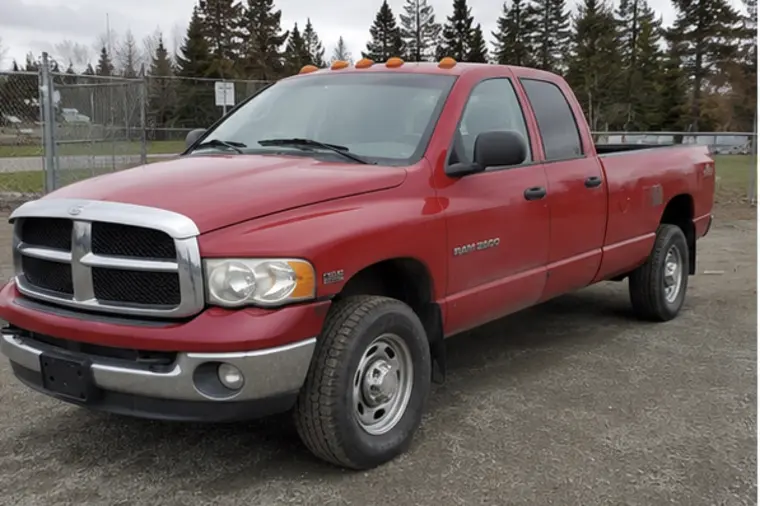
A 5.9L Cummins engine does not determine the condition of the Dodge or RAM truck around it. Generation, transmission history, modifications, corrosion and previous work use are central to the purchase.
Identify the 5.9L Cummins correctly
Confirm the model year and generation because the 5.9L name spans materially different fuel-system, emissions-era and truck-platform contexts.
Read the history before the reputation
Build a record timeline for engine and fuel-system work, transmission or clutch service, front-end repairs, steering, brakes and towing equipment. An engine-focused invoice folder can still omit major chassis needs.
Inspection priorities
Arrange a genuinely cold start and a qualified inspection that evaluates the whole truck. One symptom is a reason to investigate further, not a remote diagnosis.
- Observe cold starting, idle, warning lamps, leaks and charging-system behaviour.
- Evaluate automatic or manual transmission operation in the correct year/application context.
- Inspect steering, suspension, frame, body mounts, bed and hitch structure.
- Document tuning, fuel-system, exhaust, wheel/tire and suspension changes.
Ownership and use-case fit
Older-truck ownership may involve age-related rubber, wiring, fasteners, cab and box corrosion and parts-quality decisions. Plan for the whole platform.
Include expected catch-up work, tires, brakes, corrosion, insurance and downtime in the purchase decision. A lower asking price does not automatically offset missing history or a configuration that does not fit the job.
Inspect the installed configuration, then value the engine preference
A 5.9L purchase begins by identifying its application and any fuel-system, transmission or calibration changes. Obtain invoices with component details. A broadly similar engine advertised elsewhere may need a different service or inspection approach.
For a working vehicle, investigate local support for the actual truck and its modifications. A modest repair can become disruptive if the configuration is difficult to identify or parts must be sourced before diagnosis continues. Keep that uncertainty alongside purchase price when comparing an older 5.9L with a newer candidate.
| Inspection track | Purchase output |
|---|---|
| Starting and fuel system | Documented observations and diagnosis where needed |
| Transmission and driveline | Service scope and road-test findings |
| Older chassis | Corrosion, steering and brake work priced separately |
Evidence note: manufacturer documents establish the specific facts and applications cited. Buying workflows and cost scenarios are DieselTrucks.ca editorial guidance. These pages do not publish measured failure rates or confirm the condition, recall status or capacity of a particular truck.
General educational content for Canadian diesel-pickup research. Verify the exact truck, model year, certification labels, owner manual and manufacturer documentation, and obtain qualified mechanical or towing advice where appropriate.
Sources & Further Verification
Use the exact model year, VIN, truck labels and current manufacturer documentation when moving from general research to a purchase or towing decision.