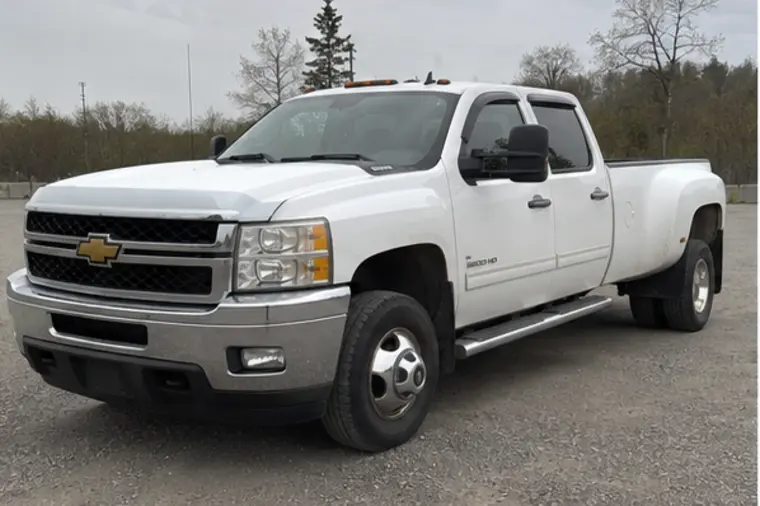
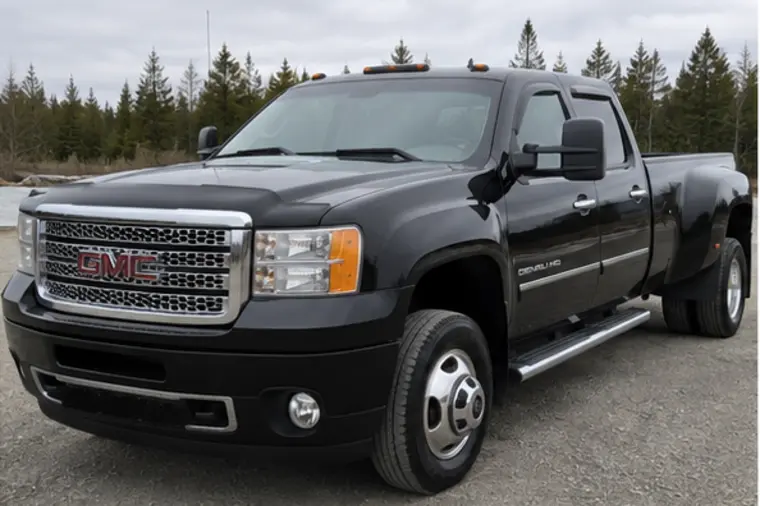
The 2011–2014 Silverado and Sierra HD era combines a distinct HD chassis period with LML Duramax research. Exact model, payload label and history remain decisive.
Place the truck in the correct era
Confirm the exact 2011–2014 model year, Silverado/Sierra, 2500HD/3500HD, cab, bed and rear-wheel configuration.
Engine and transmission context
Research the LML-era Duramax, Allison transmission and emissions equipment as a system. Service and scan evidence matter more than generalized engine-code rankings.
Cab, bed, axle and rear-wheel choices
The 3500HD SRW/DRW choice and cab/bed layout can materially change payload and fifth-wheel fit.
Used-buying questions for this era
Ask how the truck was used and require the history to support the seller's description.
- Do records explain fuel-system, emissions and transmission work?
- Is the truck stock, and are all modifications documented?
- What sustained towing, payload or idle use occurred?
- Do tires, brakes, front end, frame and hitch area support continued use?
Use LML service information with its actual scope
GM's PIP5007B is an example of specific service information for selected 2011–2013 LML trucks with an exhaust-fluid diagnostic condition. Its title and model scope must be checked before use; it neither covers every year in this guide nor establishes a general engine failure rate.
If a seller reports recurring emissions messages, request the exact codes, diagnosis, repairs and follow-up results. A replaced sensor or completed regeneration is not automatically proof that the underlying complaint was resolved. Compare that history with the intended operating week and a qualified inspection. Evaluate cooling, fuel-system and transmission condition as separate questions rather than compressing the truck into a single LML reputation score.
Read a bulletin's applicability before its repair steps
GM PIP5007B concerns a specified exhaust-fluid diagnostic condition on selected 2011–2013 LML applications. It provides a focused service reference inside this broader 2011–2014 guide; it does not make the same conclusion apply to every candidate.
Budget separately for routine service and unresolved faults. A quoted parts price is not a completed diagnosis, and a completed repair should have a clear record of what changed. Keep chassis, towing equipment and load-fit findings in the final decision.
| Inspection result | Purchase response |
|---|---|
| Matching symptom or code | Ask a qualified shop to check current applicable service information |
| Sensor recently replaced | Request the original diagnosis and follow-up result |
| No related symptom | Continue ordinary inspection; do not infer failure from the bulletin |
Evidence note: manufacturer documents establish the specific facts and applications cited. Buying workflows and cost scenarios are DieselTrucks.ca editorial guidance. These pages do not publish measured failure rates or confirm the condition, recall status or capacity of a particular truck.
General educational content for Canadian diesel-pickup research. Verify the exact truck, model year, certification labels, owner manual and manufacturer documentation, and obtain qualified mechanical or towing advice where appropriate.
Sources & Further Verification
Use the exact model year, VIN, truck labels and current manufacturer documentation when moving from general research to a purchase or towing decision.