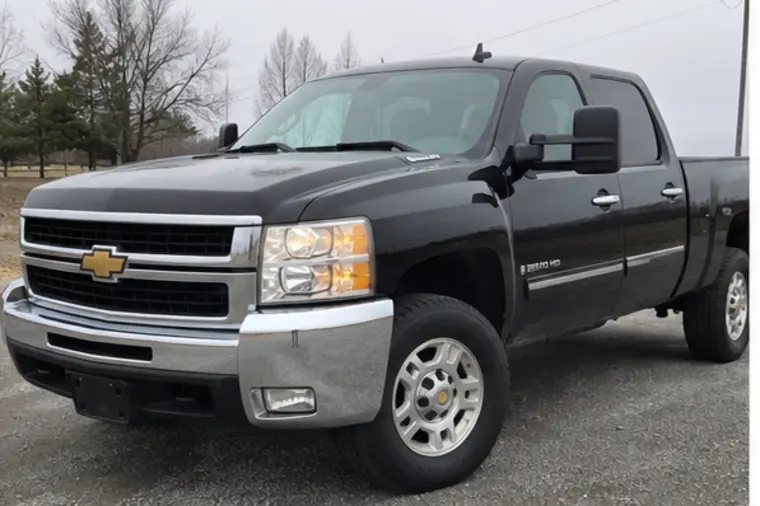
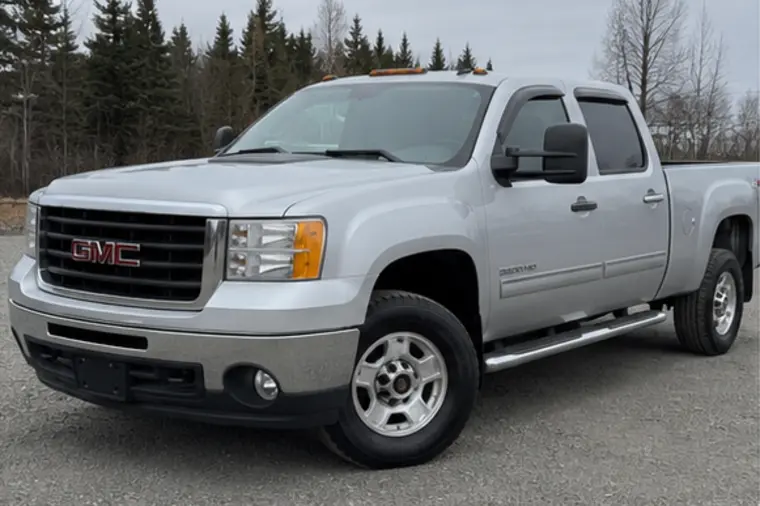
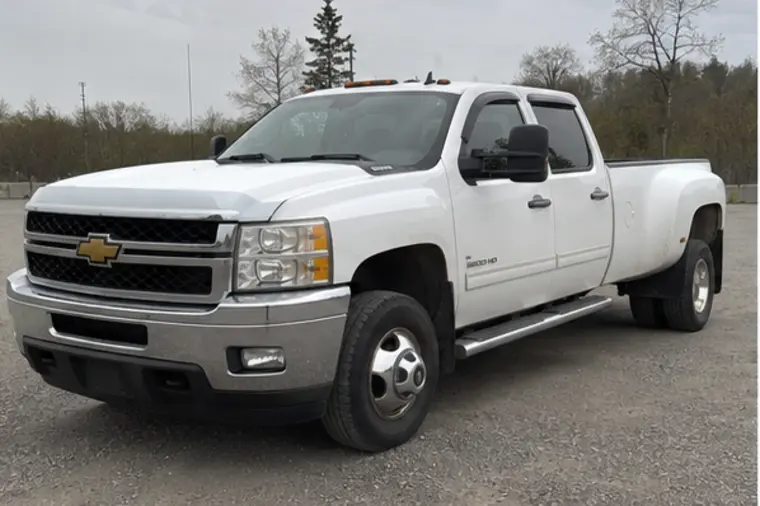
LMM and LML identify different Duramax eras, not interchangeable versions of one truck. Use model year and engine-code verification to place the vehicle correctly before reviewing its emissions, transmission and service history.
Identify the LMM or LML Duramax correctly
Confirm the engine code and whether the truck belongs to the GMT900 or later 2011–2014 HD platform context.
Read the history before the reputation
Review aftertreatment and warning history, fuel-system and cooling work, transmission service, recalls and software campaigns with year-specific documentation.
Inspection priorities
Arrange a genuinely cold start and a qualified inspection that evaluates the whole truck. One symptom is a reason to investigate further, not a remote diagnosis.
- Retain a complete scan report rather than relying on the absence of a dash light.
- Inspect for non-factory tuning or altered emissions hardware without attempting to defeat systems.
- Road-test engine and transmission behaviour after a cold inspection.
- Check frame, cab mounts, brake lines, steering, suspension, tires and hitch structure.
Ownership and use-case fit
Compare the complete truck, not only the engine code. Cab, bed, trim, SRW/DRW and payload label can matter more to the job than an enthusiast-era preference.
Include expected catch-up work, tires, brakes, corrosion, insurance and downtime in the purchase decision. A lower asking price does not automatically offset missing history or a configuration that does not fit the job.
Identify the emissions-era application before interpreting a warning
Keep LMM and LML candidates in separate rows with their exact year, engine code and installed equipment. A service bulletin addressing selected LML exhaust-fluid conditions should not be applied to an LMM merely because both carry Duramax branding.
Do not add the likely price of a sensor and call the warning budgeted. Obtain the supported diagnosis first. Compare overall condition and load fit after the emissions and fuel questions are resolved; those systems are important, but the purchase still includes the transmission and chassis.
| Seller statement | Evidence to request |
|---|---|
| Emissions issue fixed | Exact message, diagnosis and follow-up result |
| Fuel system replaced | Cause, included components and installation invoice |
| Returned to stock | Physical and calibration verification by the inspecting shop |
Evidence note: manufacturer documents establish the specific facts and applications cited. Buying workflows and cost scenarios are DieselTrucks.ca editorial guidance. These pages do not publish measured failure rates or confirm the condition, recall status or capacity of a particular truck.
General educational content for Canadian diesel-pickup research. Verify the exact truck, model year, certification labels, owner manual and manufacturer documentation, and obtain qualified mechanical or towing advice where appropriate.
Sources & Further Verification
Use the exact model year, VIN, truck labels and current manufacturer documentation when moving from general research to a purchase or towing decision.