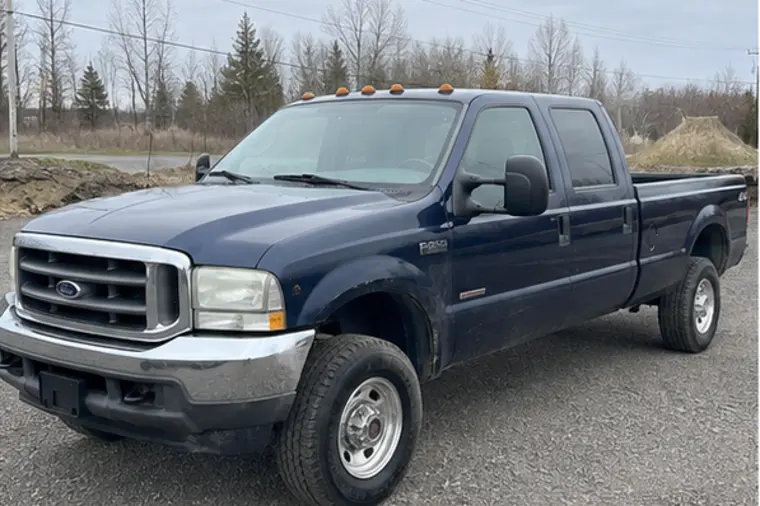
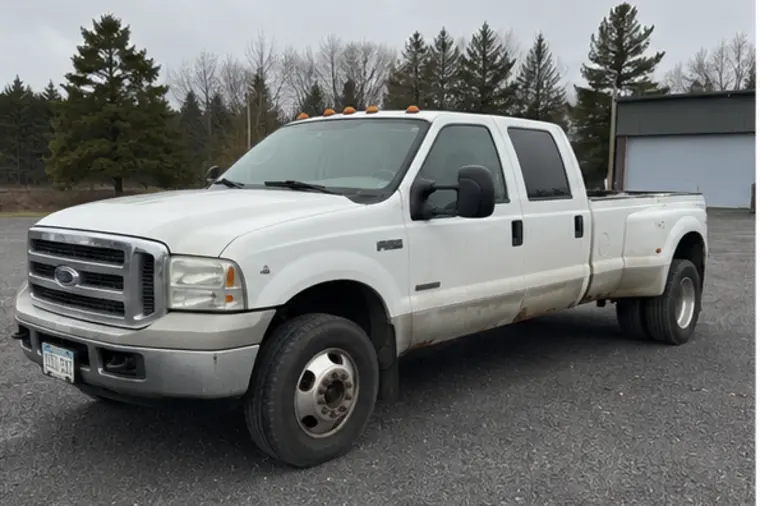
The 1999–2007 Super Duty era includes a major diesel-engine transition and trucks that are now old enough for age, corrosion and repair quality to shape the buying decision.
Place the truck in the correct era
Place the truck within the 1999–2007 body and chassis era, then verify build date and model year around powertrain transitions.
Engine and transmission context
This era spans 7.3L and 6.0L Power Stroke applications with different transmission and inspection questions. Use the VIN and model-year documentation rather than visual assumptions.
Cab, bed, axle and rear-wheel choices
F-250 and F-350, SRW and DRW, regular/SuperCab/crew cab and different bed lengths create distinct payload and use cases.
Used-buying questions for this era
Ask how the truck was used and require the history to support the seller's description.
- Which Power Stroke and transmission are documented?
- Can the seller provide a true cold start and dated service records?
- What repairs or modifications were completed, by whom and why?
- What do frame, cab mounts, brake lines, bed and hitch areas show?
Use the engine transition to split the inspection
This body-era guide spans different diesel engine identities. Begin by confirming whether the truck belongs to the 7.3L or 6.0L research path, then collect the correct maintenance and diagnostic documentation. A grille, registration year or seller's broad early-Super-Duty description should not settle the engine identity.
On a used candidate, separate engine work from chassis refurbishment. Ask which wiring, steering, brake and corrosion repairs remain original or undocumented. For a 6.0L truck, treat scoped campaign evidence and claimed upgrades individually; for a 7.3L, do not let reputation stand in for condition. Compare initial work and service access before choosing between engines within this era.
Separate the early and late powertrain documents
This body-era search spans the 7.3L and 6.0L Power Stroke. Keep the diesel supplement beside the full truck manual: the supplement describes engine operation while the truck manual supplies the wider chassis and towing context. Near the 2003 transition, identify the installed engine before booking a specialist inspection.
The purchase comparison should include the cost of chassis work that an engine-focused inspection can miss. Keep claimed engine refurbishment separate from steering, braking and corrosion repairs.
| Candidate branch | Evidence emphasis |
|---|---|
| 7.3L truck | Oil-service history, starting observations and age-related wiring |
| 6.0L truck | Cooling and injection repair scope, scan findings and campaign status |
| Either branch | Frame, cab mounts, brake lines and transmission history |
Evidence note: manufacturer documents establish the specific facts and applications cited. Buying workflows and cost scenarios are DieselTrucks.ca editorial guidance. These pages do not publish measured failure rates or confirm the condition, recall status or capacity of a particular truck.
General educational content for Canadian diesel-pickup research. Verify the exact truck, model year, certification labels, owner manual and manufacturer documentation, and obtain qualified mechanical or towing advice where appropriate.
Sources & Further Verification
Use the exact model year, VIN, truck labels and current manufacturer documentation when moving from general research to a purchase or towing decision.