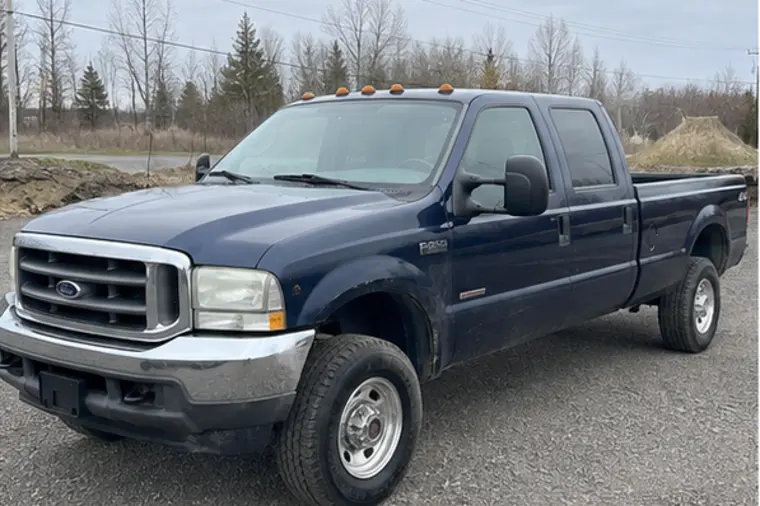
A used 7.3L Power Stroke is now an older complete vehicle, so age-related wiring, seals, cooling, transmission, steering, braking and corrosion questions matter alongside the engine itself.
Identify the 7.3L Power Stroke correctly
Verify that the truck is actually equipped with the expected 7.3L Power Stroke and identify its Super Duty model year and transmission context.
Read the history before the reputation
Long service life can mean several owners and repairs performed at different standards. Build a timeline from dated records instead of treating a reputation for durability as evidence about this truck.
Inspection priorities
Arrange a genuinely cold start and a qualified inspection that evaluates the whole truck. One symptom is a reason to investigate further, not a remote diagnosis.
- Observe a true cold start without the seller pre-warming the engine.
- Inspect for fluid leaks, deteriorated hoses, wiring repairs and charging-system condition.
- Evaluate transmission operation, steering play, brakes, tires, frame, body mounts and hitch area.
- Document tuning, intake, exhaust, suspension and towing modifications.
Ownership and use-case fit
Choose the truck for its present condition and parts/service support, not because an older emissions era is automatically simpler or cheaper.
Include expected catch-up work, tires, brakes, corrosion, insurance and downtime in the purchase decision. A lower asking price does not automatically offset missing history or a configuration that does not fit the job.
Turn nostalgia into a priced ownership decision
Ask for a written starting, charging and leak assessment, then a separate chassis defect list. The engine's oil-actuated injection context makes oil history useful, but the purchase still includes every aged line, mount and electrical repair around it.
Budget the repairs required before the first planned trip or job. A desirable engine and a low odometer do not remove the need to examine time-related deterioration. Compare the complete truck with another candidate that meets the same passenger and loaded-use requirements.
| Keep on the shortlist when | Pause when |
|---|---|
| Identity and repair records agree | Replacement or modification history is unexplained |
| Starting complaint has a supported diagnosis | Seller substitutes a favourite common-fix theory |
| Chassis work is inspected and affordable | Structural condition cannot be assessed |
Evidence note: manufacturer documents establish the specific facts and applications cited. Buying workflows and cost scenarios are DieselTrucks.ca editorial guidance. These pages do not publish measured failure rates or confirm the condition, recall status or capacity of a particular truck.
General educational content for Canadian diesel-pickup research. Verify the exact truck, model year, certification labels, owner manual and manufacturer documentation, and obtain qualified mechanical or towing advice where appropriate.
Sources & Further Verification
Use the exact model year, VIN, truck labels and current manufacturer documentation when moving from general research to a purchase or towing decision.