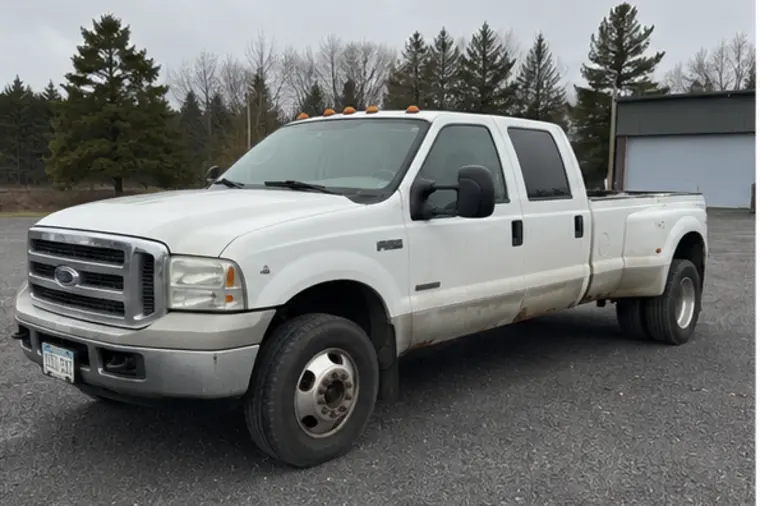
A used 6.0L Power Stroke should be evaluated as a complete Super Duty with a documented maintenance and repair history. A parts list or enthusiast label is not a substitute for invoices, test results and current condition.
Identify the 6.0L Power Stroke correctly
Confirm the Super Duty model year, engine identity, transmission, factory configuration and whether the truck remains stock.
Read the history before the reputation
Cooling-system service, previous diagnostic work, major repairs and the quality of any modifications deserve a chronological review. Ask who performed the work and what problem it addressed.
Inspection priorities
Arrange a genuinely cold start and a qualified inspection that evaluates the whole truck. One symptom is a reason to investigate further, not a remote diagnosis.
- Observe cold starting, idle quality, warning lamps and visible exhaust after normal start-up.
- Inspect coolant and oil condition using qualified procedures rather than a visual guess alone.
- Review evidence for cooling, fuel, charging and emissions-related service.
- Road-test the engine and transmission under appropriate conditions with a qualified inspector.
Ownership and use-case fit
Budget for condition-based maintenance and unresolved diagnostic work. Avoid both blanket condemnation and unsupported claims that a modification package makes every concern disappear.
Include expected catch-up work, tires, brakes, corrosion, insurance and downtime in the purchase decision. A lower asking price does not automatically offset missing history or a configuration that does not fit the job.
Audit an upgraded-truck claim line by line
Request the invoice for each advertised upgrade and identify the original symptom, installer, date and distance since the work. Record which components were retained. A comprehensive-sounding label cannot replace that evidence.
Commission additional diagnosis for unresolved starting or cooling symptoms before accepting a price adjustment. Keep a separate allowance for chassis and transmission work so the engine-repair folder does not dominate the whole-truck decision. A completed scoped recall should be documented independently from aftermarket work.
| Claim | Purchase follow-up |
|---|---|
| Head or cooling work | Obtain cause, scope and post-repair behaviour |
| Injection/electrical repair | Match tested fault to installed parts |
| Fully sorted | Ask what remains untested, original or intermittently troublesome |
Evidence note: manufacturer documents establish the specific facts and applications cited. Buying workflows and cost scenarios are DieselTrucks.ca editorial guidance. These pages do not publish measured failure rates or confirm the condition, recall status or capacity of a particular truck.
General educational content for Canadian diesel-pickup research. Verify the exact truck, model year, certification labels, owner manual and manufacturer documentation, and obtain qualified mechanical or towing advice where appropriate.
Sources & Further Verification
Use the exact model year, VIN, truck labels and current manufacturer documentation when moving from general research to a purchase or towing decision.