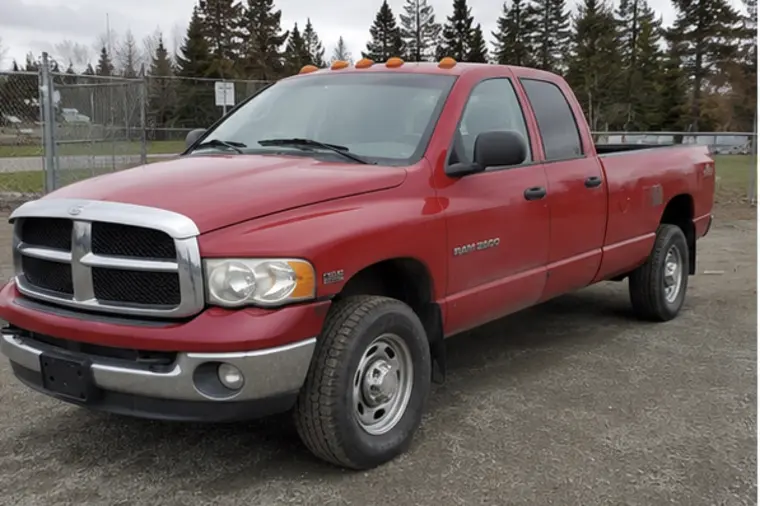
The 5.9L Cummins name spans Dodge pickups from the 1989 introduction to the 2007 move to 6.7L, but it does not describe one fuel system, output or diagnostic plan. The primary material reviewed here does not provide comparable failure rates for the popular “common problem” lists. Use those labels as questions, not diagnoses. Identify the exact engine and truck, reproduce symptoms safely, collect fault and pressure evidence, verify the repair sequence, and inspect the decades-old truck around it.
Start with the correct 5.9L application
Cummins dates the first Cummins-powered RAM to 1989 and the 6.7L launch to 2007. Those milestones establish the broad bookends; they do not make every 1989–2007 engine mechanically interchangeable. A 2007 advertisement is especially insufficient because the model-year label can sit near the displacement transition.
Record the VIN, model year, build information, engine serial number or dataplate evidence, transmission and installed fuel-system components. Then obtain literature for that specific combination. Do not choose parts, procedures or expected output from “5.9 Cummins” alone.
If the truck has an engine swap, replacement block, converted fuel system or different control module, preserve the chassis identity and installed-engine identity separately. A seller’s model-year statement cannot resolve an undocumented combination.
Separate the evidence types before calling a problem common
An owner complaint reports an experience. A manufacturer communication describes a condition or procedure. A recall defines a safety population and remedy. A repair order describes one truck. None supplies a failure rate unless it includes a valid population and comparable outcome data.
The NHTSA 2002 Dodge RAM 2500 record presents complaints, recalls and manufacturer communications as separate categories. Keep those categories separate in the purchase file. A communication can justify a targeted diagnostic question without proving that every truck develops the condition.
This guide therefore does not publish a percentage for injection-pump, lift-pump, injector, block, head-gasket or valvetrain failures. It also does not rank every 12-valve, 24-valve or common-rail truck. The useful output is a problem-to-evidence workflow for the actual candidate.
Diagnose hard start, no start and stalling as symptoms
Hard starting, extended cranking, intermittent stalling and a no-start can arise from different electrical, fuel-delivery, control, mechanical or installation conditions. Record whether the engine is genuinely cold, ambient temperature, cranking behaviour, warning lamps, fuel level, recent work and whether the symptom changes hot versus cold.
Do not authorize an injection pump, injectors or control module from a seller’s description alone. Ask a qualified diesel shop which model-specific pressure, supply, electrical and scan checks apply, what was measured, and how the result identified the failed part or ruled out another cause.
After repair, repeat the original starting or operating condition where safe. A parts invoice without the complaint, test result and recheck shows expenditure, not resolution.
Investigate fuel-delivery history by installed system
The online phrase “5.9 Cummins fuel problem” collapses mechanically different eras. Identify the installed injection and supply system from the truck and its application-specific information before selecting a diagnostic path. If a transfer or injection component has been replaced, request the manufacturer, part number, installer, date, kilometres and reason.
Cummins provides access to manuals and technical information; use the correct engine identity rather than a generic forum procedure. Model-year vehicle literature from Mopar should be matched to the chassis as well. Neither access page is evidence that a particular candidate was serviced correctly.
Inspect accessible lines, fittings, filter housing and added equipment for leakage, abrasion, unsupported routing and improvised wiring. Never loosen a high-pressure connection on a running common-rail system as a buying test. Diagnosis belongs with trained personnel and the correct service procedure.
Treat “VP44,” “lift pump” and “common rail” as routing terms
A seller may use a component name as though it were a diagnosis. Ask what symptom occurred, which test established the cause, what upstream and downstream checks were performed, and what the truck did after repair. A replaced part can be relevant history without proving the same part is failing again.
For an auxiliary supply system, identify whether it supplements or replaces original equipment, how it is powered, filtered and protected, and whether the installation matches the present engine. Record pressure-gauge or warning equipment as installed hardware; do not assume it is accurate without testing.
For a common-rail candidate, unexplained knock, smoke, fuel dilution, rough running or return-flow claims require application-specific diagnosis. Do not use a generic “injector test” phrase as proof when the invoice omits measurements and conclusions.
Handle block and leakage claims without folklore
Terms such as “53 block,” “cracked block” and “head gasket” are often used in advertisements and conversations. A casting mark, model year or reputation is not the same as an active defect. Ask a shop to identify the installed block and investigate visible coolant loss, contamination, pressure, external leakage or repair evidence using the appropriate procedure.
A weld, sealant, replacement block or cooling-system invoice should lead to a documented inspection, not an automatic pass or universal rejection. Establish the original complaint, repair scope, who performed it and whether the condition was checked again under relevant temperature and load.
Do not promise that a truck outside a frequently discussed casting label cannot crack, or that every truck inside it will. The reviewed primary set does not provide the production denominator and comparable inspection results needed for either claim.
Treat the killer-dowel-pin label as an inspection question
The phrase “killer dowel pin” is not a diagnosis for every 5.9L engine. Ask which exact engine configuration is installed, whether any front-cover work is documented, what parts and method were used, and whether timing or front-housing work has occurred since.
If the seller claims a preventive repair, require an invoice or clear application-specific evidence connected to this engine. A photograph of an unidentified engine or a parts receipt without installation evidence does not settle the question.
If noise, leakage, timing concern or loose hardware is suspected, stop short of amateur disassembly during a viewing. Have a qualified shop assess the exact configuration and define the safe inspection or repair path.
Evaluate smoke, blow-by and oil use carefully
Smoke colour and timing are observations, not final diagnoses. Record whether it occurs at cold start, idle, acceleration, deceleration or sustained load, along with temperature, odometer, engine hours if available and warning information. Avoid a hazardous loaded demonstration.
Ask for documented oil consumption between measured services, not “uses none.” Inspect for external leaks and request appropriate crankcase, turbocharger, fuel and engine-condition checks from a diesel-capable shop. A warm, freshly cleaned engine can leave cold-start and leakage questions unanswered.
One observation should not be converted into a remaining-life estimate. Compare the shop’s findings with service history and intended workload, and keep untested conditions marked unknown.
Read modifications as a second problem system
Identify tuning devices or files, larger injectors, turbo changes, intake and exhaust work, auxiliary fuel equipment, gauges, clutch or transmission changes, and emissions alterations. Ask who specified the combination and which original parts and calibration records remain.
Power modifications can change heat, cylinder pressure, clutch or transmission load, diagnostic interpretation, insurance, registration and shop acceptance. A dyno sheet proves only the recorded test configuration and conditions; it does not establish durability or legal compliance.
Unknown wiring, splices, relays and added pumps deserve functional and installation review. A truck can run well during a short drive while an unsupported installation creates later diagnostic or downtime risk.
Do not let the engine name hide truck-level safety work
The 2006 Dodge RAM 2500 U.S. model record includes vehicle-level campaigns that are not evidence of a 5.9L engine defect. For example, the returned records include a manual-transmission clutch-interlock campaign and later occupant-restraint actions. This is why a buyer must check the whole VIN instead of relying on an engine-problem list.
For a Canadian truck, use the current Mopar Canada VIN path and retain the result and work orders. No VIN was submitted for this guide, and a U.S. model-level result does not prove Canadian applicability or current completion.
Inspect steering, brakes, tires, frame, body, hitch, driveline and transmission independently. A sound engine cannot make a structurally compromised or unsuitable truck a safe purchase.
Build a 5.9L problem matrix for the candidate
The matrix keeps a popular label from becoming a parts order. Each row ends in evidence that can change the buying decision.
| Reported condition | Evidence to collect | Decision before purchase |
|---|---|---|
| Hard start, no start or stalling | Cold/hot conditions, codes, electrical and fuel tests, repair outcome | Pause until the cause and result are documented |
| Fuel-system component replaced | Part identity, installer, reason, upstream/downstream findings | Distinguish preventive work from failure repair |
| Coolant loss or block/head claim | Exact engine identity, pressure/leak diagnosis, repair scope and recheck | Do not rely on casting folklore alone |
| Smoke, blow-by or oil-use claim | Reproducible observations, measured service history and shop findings | Keep remaining life unknown |
| Preventive front-cover claim | Application-specific invoice and installed-work evidence | Treat an unsupported claim as unverified |
| Tuning or auxiliary fuel system | Parts, calibration, wiring, legality and support assessment | Pause or decline if configuration cannot be supported |
| Missing transmission or chassis history | Inspection, VIN campaigns and catch-up estimate | Evaluate the complete truck, not only the engine |
Use a staged pre-purchase inspection
Before travel, request VIN, build and engine identifiers, cold-start agreement, service records, major repair invoices, modification list and current recall result. Resolve contradictions between the advertisement, labels and records first.
At the truck, preserve a true cold start where practical, normal warning-lamp check, visual inspection, scan and road evaluation. A qualified shop should select tests for the installed system. Never clear codes, adjust components or recreate a dangerous stall or leak simply to prove a point.
Afterward, classify each finding as supported, repaired and rechecked, unresolved, or not assessed. Price defined maintenance, diagnosed repairs, further investigation and downtime separately. A discount does not turn an unknown scope into a known repair.
Plan parts, expertise and downtime before buying
Confirm who can service the exact Dodge/Cummins combination, transmission and modifications. Cummins’ locator can help identify a service starting point, but the buyer still needs to confirm that the facility accepts this pickup application and the work required.
Ask about parts availability, diagnostic appointment time, towing or recovery, and a substitute vehicle that can do the same job. An older truck used occasionally has a different downtime consequence from a sole commercial tow vehicle.
Separate an attractive engine reputation from local support. A repairable candidate may still be unsuitable if the owner cannot obtain competent service or tolerate the interruption.
Preserve an evidence file after the purchase
Save engine and chassis identity, literature used, baseline inspection, codes, measurements, service, repairs, modifications and unresolved limits. Continue recording kilometres, hours where available, oil or coolant additions and the conditions around any recurring symptom.
For a repaired concern, connect the complaint, diagnosis, installed work and post-repair result. This makes later troubleshooting more useful and prevents a new technician from inheriting only a list of brand-name parts.
Update the file when tuning, fuel-system or drivetrain hardware changes. Reliability conclusions must describe the truck in its present configuration, not the version a prior owner advertised.
5.9L Cummins problems questions
Are VP44 failures common on every 5.9L? The reviewed sources do not provide a comparable failure rate; identify the installed system and diagnose the actual symptom.
Does a “53 block” marking prove the block is cracked? No. Establish the exact engine and inspect for an active condition or documented repair.
Is every 5.9L affected by the killer dowel pin issue? Do not generalize the label. Verify the application and any preventive work with connected evidence.
Is a rebuilt engine automatically safer to buy? No. Review the rebuild scope, parts, installer, reason and outcome, then inspect the transmission and truck around it.
What is the most important first step? Confirm the exact engine, truck, fuel-system era and modifications before applying any problem list.
Evidence note: manufacturer documents establish the specific facts and applications cited. Buying workflows and cost scenarios are DieselTrucks.ca editorial guidance. These pages do not publish measured failure rates or confirm the condition, recall status or capacity of a particular truck.
General educational content for Canadian diesel-pickup research. Verify the exact truck, model year, certification labels, owner manual and manufacturer documentation, and obtain qualified mechanical or towing advice where appropriate.
Sources & Further Verification
Use the exact model year, VIN, truck labels and current manufacturer documentation when moving from general research to a purchase or towing decision.
- Cummins RAM history — 1989 and 2007 milestones
- NHTSA 2002 Dodge RAM 2500 record — recalls, complaints and manufacturer communications kept as separate evidence types
- Cummins manuals and technical information — engine-specific literature access
- Mopar owner-manual access — model-year vehicle literature
- NHTSA recall API — 2006 Dodge RAM 2500 model-level U.S. results
- Mopar Canada — current VIN recall and customer-satisfaction notice lookup
- Cummins sales and service locator — application-aware support search