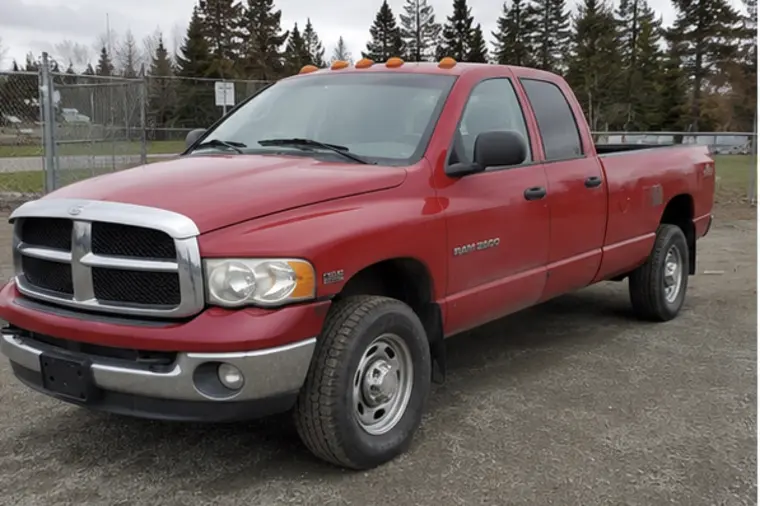
A 12-valve Cummins can be simple to describe and difficult to buy well. Surviving Dodge applications now reflect decades of service, storage, repairs, engine swaps and power modifications. The primary sources reviewed for this guide establish the Cummins/Dodge history and provide current engine-specific literature, service and vehicle-recall paths; they do not publish exposure-adjusted failure rates for the popular “common problems” lists. Treat each label as an inspection question. Confirm the installed engine and fuel system, reproduce the actual symptom, connect diagnosis to repair evidence, and evaluate the complete truck around it.
Problem summary: old-truck evidence matters most
The strongest candidate is not the one with the shortest online problem list. It is the truck whose chassis, installed engine, fuel and shutdown hardware, transmission, maintenance, repairs and modifications can be reconciled and tested.
Cummins dates the beginning of its Dodge/RAM pickup relationship to 1989. That milestone establishes the historical starting point, not the identity or condition of an engine offered today. A replacement block, pump conversion, engine swap or altered chassis can make the advertisement and installed hardware disagree.
This guide does not assign failure percentages to injection pumps, lift pumps, front-cover dowels, head gaskets, blocks or turbochargers. The reviewed sources do not provide a common population, exposure, maintenance standard and inspected outcome for those claims.
Confirm that it is the 12-valve configuration claimed
Record the chassis VIN, model year, build labels, engine dataplate or serial number, transmission and visible fuel-system components. Photograph them before relying on parts receipts or seller terminology.
Use Cummins engine-specific technical information for the installed engine and model-year Mopar literature for the vehicle. Those two identities may diverge after an engine or drivetrain swap. Do not order parts, apply a procedure or assume output from “12-valve” alone.
If the serial or dataplate is missing, altered or inaccessible, keep identity unresolved until a qualified shop can reconcile casting, component and installation evidence. A valve-cover appearance or seller memory is not an equivalent record.
Treat hard start, no-start and stalling as symptoms
Record whether the engine is truly cold or fully warm, ambient temperature, cranking speed, fuel level, smoke, recent service, leakage and whether the fuel-shutoff control moves as intended. Note exactly when a stall occurs and whether it restarts.
Possible paths include battery and cranking condition, fuel supply, air entry, filtration, shutdown linkage or solenoid, injection-pump control, timing and internal mechanical condition. That list routes testing; it does not name the failed component.
Require a written diagnostic result tied to the installed system. After repair, repeat the original temperature and operating condition where safe. A new battery, shutoff solenoid, lift pump or injection pump is expenditure—not proof of cause—without the measurement and recheck.
Separate supply, shutdown and injection evidence
Inspect accessible tank-to-engine lines, hoses, fittings, filter housing, pump area and added fuel equipment for leakage, abrasion, unsupported routing and improvised wiring. Preserve the condition before cleaning or disassembly when contamination or air entry is suspected.
For a shutdown complaint, distinguish an electrical command, linkage or solenoid issue from loss of fuel supply or injection control. For low power or unstable running, measure the values required by the correct engine-specific procedure rather than adjusting the pump during a viewing.
Ask whether previous work was preventive, diagnostic or part of a power build. Record part number, installer, date, kilometres, reason, upstream and downstream findings and the result. A brand name on an invoice cannot establish that the complete system is correctly matched.
Use smoke as an observation, not a verdict
Record smoke colour, density, duration and operating state: cold start, idle, acceleration, deceleration or sustained safe load. Add temperature, fuel, recent work and whether the symptom changes once warm.
Smoke can route investigation toward fuel delivery and timing, air restriction, turbocharger and intake integrity, oil entry, coolant entry or internal engine condition. It cannot distinguish those paths by colour alone.
Do not recreate a hazardous road-load event or accept excessive smoke as normal because the engine is modified. Preserve the observation and obtain application-specific measurements before pricing injectors, a pump, turbocharger or rebuild.
Investigate low power in a fixed sequence
Confirm the complaint and intended load, then inspect fuel supply, throttle and shutdown travel, air intake and restriction, charge-air piping where fitted, exhaust, turbocharger condition, timing evidence and drivetrain behaviour. Test under controlled conditions appropriate for the truck.
A boost number without the matching configuration, load, temperature, calibration and measurement method is weak evidence. So is a seller's statement that the pump only needs adjustment.
If power falls away only with a trailer, verify transmission, clutch, brakes, axle gearing and actual combination weight as well as the engine. A complete-truck mismatch can feel like an engine problem while requiring a different buying decision.
Handle front-cover and “killer dowel pin” claims precisely
The “killer dowel pin” label is a buyer question, not proof that every 12-valve has an active defect. Ask whether front-cover work was actually performed on this engine, what method and parts were used, who completed it, and whether timing or housing work occurred later.
Treat an unidentified photo, loose parts receipt or verbal “KDP done” statement as unverified. Conversely, do not claim an engine is failing because the seller cannot produce a preventive-work receipt.
If there is front-housing leakage, abnormal noise, timing concern or suspected loose hardware, stop short of amateur disassembly at the viewing. A qualified technician should identify the installed configuration and safe inspection or repair path.
Diagnose oil leaks and oil use separately
Cleanliness can hide a recent leak, while old residue can remain after a successful repair. Inspect after operation where safe and record the highest fresh-wet point rather than naming a gasket from the drip location alone.
For oil use, compare measured additions across known distance and duty with external leakage, crankcase observations, turbocharger evidence, exhaust smoke and an appropriate engine-condition assessment. “Uses none” is not a measurement.
Ask what was removed during any front, pan, cover, turbo or crankcase repair and what was rechecked. Do not turn one stain or one blow-by observation into a remaining-life estimate.
Investigate coolant loss and overheating before naming a cause
Record coolant level trend, visible leakage, contamination, pressure-test result, temperature behaviour, fan and airflow condition, radiator and hose state and the load under which the concern appears.
An old radiator, hose, water-pump, thermostat, head-gasket or block label may suggest a test area, but model-year folklore does not establish the cause on this truck. Require findings that connect the complaint to the repair.
After work, recheck under a comparable temperature and load. A newly filled cooling system or short idle test does not establish control during towing, summer heat or sustained grade operation.
Assess valvetrain, timing and internal-engine claims
For abnormal noise, poor starting, uneven running or a claimed valve adjustment, request the exact complaint, measurements, procedure, parts and result. Do not infer valve condition from elapsed time alone.
For an engine advertised as rebuilt, obtain the serial or assembly identity, machining and measurement records, parts list, reused components, installer, date, kilometres, warranty and initiating failure. “Rebuilt” can describe materially different scopes.
A replacement or rebuilt engine does not renew the fuel system, turbocharger, cooling, transmission, axles, electrical system, frame or body. Value the documented scope and present recheck, not the label.
Treat modifications as another system to inspect
Inventory injection-pump changes, delivery components, injectors, turbocharger, intercooler and intake, exhaust, fuel-supply additions, gauges, timing changes and governor-related work. Also record clutch, transmission, driveshaft and axle changes intended to support added output.
Connect each modification to parts, installer, calibration or setup evidence and the use that followed. A dyno sheet describes one test configuration; it does not establish long-term condition, legal compliance or safe tow capacity.
Unknown tuning history changes diagnosis and consequence. Confirm that a local shop will support the exact combination and that the configuration is acceptable for registration, insurance and intended operation before treating “returned to stock” as resolved.
Keep vehicle campaigns and engine diagnosis separate
The NHTSA 2002 Dodge RAM 2500 page separates recalls, complaints and manufacturer communications. That structure is useful evidence discipline, but the U.S. model-level page is not a 12-valve dataset and its model year is outside the original 12-valve pickup era described by this site's generation guide.
Use the current Mopar Canada and Government of Canada paths for the actual Canadian VIN. Save dated results and repair orders. No VIN was supplied for this guide, so no truck is represented as open, included or cleared.
A completed vehicle campaign addresses its defined action. It does not prove the installed engine, fuel system, transmission, structure or modifications are satisfactory.
Inspect the complete older Dodge truck
Inspect transmission or clutch, transfer case, driveshafts, axles, steering, brakes, tires, wheels, frame, cab and box mounts, hitch, electrical system and corrosion. Include snowplow, towing, farm, vocational and long-storage history.
An attractive engine can sit in a truck with unsafe structure, insufficient brakes or an unsupported drivetrain. Keep engine, transmission, chassis and body findings in separate rows so one strong area cannot conceal another.
Verify payload and towing from the truck's labels, axle and tire limits, hitch and correct vehicle literature. Engine reputation or added power cannot create legal load capacity.
Use a buyer problem matrix
This matrix turns “common problem” language into evidence that can change a decision. Unknown remains unknown; it is not an automatic failure or a free pass.
| Reported condition | Evidence to collect | Pre-purchase decision |
|---|---|---|
| Hard start, no-start or stall | Cold/hot conditions, cranking, fuel-supply, shutdown and injection tests | Pause until cause and recheck are documented |
| Smoke or low power | Operating state, fuel/air/timing/turbo evidence and drivetrain load | Do not buy a component guess |
| Front-cover preventive claim | Engine identity, method, parts, installer and later cover work | Keep unsupported work unverified |
| Oil or coolant loss | Clean inspection, measured trend, pressure or condition tests and recheck | Price only a diagnosed scope |
| Rebuilt or swapped engine | Identity, measurements, parts, reused systems, cause and outcome | Do not treat the whole truck as renewed |
| Modified fuel and air system | Complete parts/setup record, legality, driveline support and shop acceptance | Pause or decline if the combination cannot be supported |
| Unsafe chassis or load mismatch | Professional inspection, labels, ratings and representative weights | Decline the truck for that assignment |
Build a staged pre-purchase inspection
Before travel, request the VIN, engine identifier, cold-start agreement, maintenance history, major repair invoices, modification list and current campaign result. Resolve conflicts between the advertisement, labels and records first.
At the truck, preserve a true cold start where practical, normal warning-lamp behaviour, accessible leak and installation observations, a safe road evaluation and a qualified inspection. Do not clear evidence, adjust the pump or reproduce a dangerous stall, leak or overload.
Afterward classify each area as supported, repaired and rechecked, unresolved or not assessed. Separate immediate safety work, baseline service, diagnosed repair, further investigation and optional upgrades. Generic online repair prices cannot replace a local written scope.
Plan prevention, service and downtime
Prevention starts with correct identity, application-specific maintenance, sound fuel and cooling systems, legal and documented modifications and early investigation of new symptoms. It does not mean replacing every part named on an enthusiast checklist.
Cummins' service locator is a starting point. Confirm that the actual facility accepts the Dodge pickup application, age, installed fuel system and modifications and can obtain the needed parts. A directory entry is not a promise of legacy-diesel capability or timing.
Model towing or recovery, diagnosis, parts delay, repair, validation and a substitute vehicle. A repairable 12-valve may suit an occasional-use owner and still be a poor sole work truck when downtime cannot be absorbed.
Preserve a defensible ownership file
Save chassis and engine identity, literature, recall results, maintenance, inspection, measurements, repairs, modifications, load evidence and limitations. Record kilometres, engine hours if available, fluid additions and the conditions around any recurring symptom.
Connect every material repair as complaint, diagnosis, scope and comparable recheck. This is more useful to the next technician than a list of previously replaced parts.
Update the file after fuel, timing, turbocharger, transmission or electrical changes. A reliability conclusion applies only to the truck in its documented current configuration.
12-valve Cummins problems questions
What are the most common 12-valve Cummins problems? The reviewed primary set does not provide defensible frequency data; use the symptom and inspection matrix for the actual engine.
Is the killer dowel pin automatically a defect on every truck? No. Verify exact engine identity and documented front-cover work, then inspect an active concern professionally.
Does smoke mean the injection pump is bad? No. Record operating conditions and separate fuel, timing, air, turbocharger, oil, coolant and engine-condition evidence.
Is a rebuilt 12-valve a safer purchase? Only when identity, cause, scope, reused systems, installer and recheck are documented and the complete truck also passes inspection.
What should a buyer verify first? Reconcile the chassis, installed engine, fuel system, transmission and modifications before applying any parts list or procedure.
Evidence note: manufacturer documents establish the specific facts and applications cited. Buying workflows and cost scenarios are DieselTrucks.ca editorial guidance. These pages do not publish measured failure rates or confirm the condition, recall status or capacity of a particular truck.
General educational content for Canadian diesel-pickup research. Verify the exact truck, model year, certification labels, owner manual and manufacturer documentation, and obtain qualified mechanical or towing advice where appropriate.
Sources & Further Verification
Use the exact model year, VIN, truck labels and current manufacturer documentation when moving from general research to a purchase or towing decision.
- Cummins RAM history — 1989 and 2007 milestones
- Cummins manuals and technical information — engine-specific literature access
- Mopar owner-manual access — model-year vehicle literature
- NHTSA 2002 Dodge RAM 2500 record — recalls, complaints and manufacturer communications kept as separate evidence types
- Mopar Canada — current VIN recall and customer-satisfaction notice lookup
- Government of Canada — current recalls, advisories and safety-alert search
- Cummins sales and service locator — application-aware support search