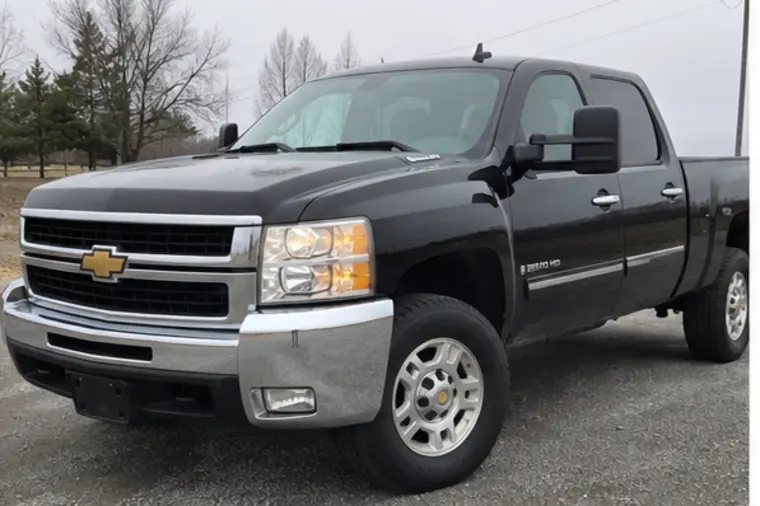
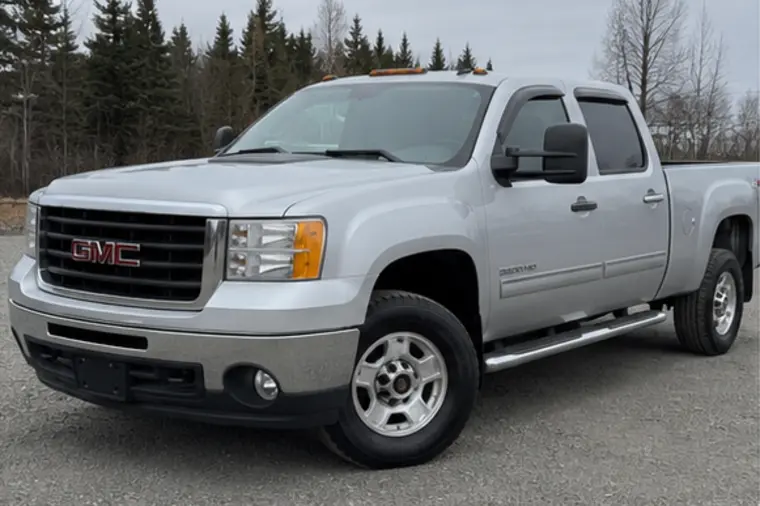
GMT900-era Duramax HD research should connect model year and engine code to emissions context, transmission service, body/chassis condition and the exact pickup configuration.
Place the truck in the correct era
Confirm model year, VIN, Duramax code and whether the truck fits the GMT900-era HD platform before applying engine guidance.
Engine and transmission context
LMM-era powertrain and emissions research belongs with documented service and scan evidence. Do not treat a missing warning lamp as proof that systems are stock and healthy.
Cab, bed, axle and rear-wheel choices
2500HD/3500HD, Silverado/Sierra, cab, bed, drivetrain and SRW/DRW choices affect payload and previous use.
Used-buying questions for this era
Ask how the truck was used and require the history to support the seller's description.
- Are emissions and tuning status clearly documented?
- Do service records explain warnings, repairs and transmission maintenance?
- What does a cold inspection and full scan show?
- Are corrosion, brake lines, steering, suspension and hitch structure acceptable?
Keep platform shorthand out of the diagnosis
Confirm the engine code, build information and installed emissions equipment before applying a repair claim to a GMT900-era candidate. Body-platform shorthand is not a diagnostic category. Distinguish a truck's original configuration from later modifications and reconcile replacement-component invoices with the current installation.
Ask for dated warning, fuel-system and transmission records and a qualified inspection under ordinary operating conditions. Do not apply an LML exhaust-fluid bulletin to a different engine simply because both trucks are called Duramax. For a former tow vehicle, inspect the hitch and load history separately. The buying decision should combine exact identity, present findings and the cost of bringing the complete truck into the intended service.
Use engine identity to separate platform shorthand from service scope
The GMT900 name is useful for organizing truck research, but a bulletin's model and engine scope is more specific. Establish the actual Duramax code before using LMM or LML guidance. Ask the shop to record emissions hardware and calibration observations when earlier modifications are suspected.
A clean instrument cluster is only one observation. Connect it with scan coverage, physical inspection and the service timeline. If important information is missing, make it a follow-up item instead of assigning the truck an era-wide reliability score.
| Concern | Evidence to retain |
|---|---|
| Recurring exhaust warning | Code, operating conditions and repair follow-up |
| Fuel-system work | Diagnosed cause and installed repair scope |
| Tow-vehicle history | Hitch/frame findings and transmission records |
Evidence note: manufacturer documents establish the specific facts and applications cited. Buying workflows and cost scenarios are DieselTrucks.ca editorial guidance. These pages do not publish measured failure rates or confirm the condition, recall status or capacity of a particular truck.
General educational content for Canadian diesel-pickup research. Verify the exact truck, model year, certification labels, owner manual and manufacturer documentation, and obtain qualified mechanical or towing advice where appropriate.
Sources & Further Verification
Use the exact model year, VIN, truck labels and current manufacturer documentation when moving from general research to a purchase or towing decision.