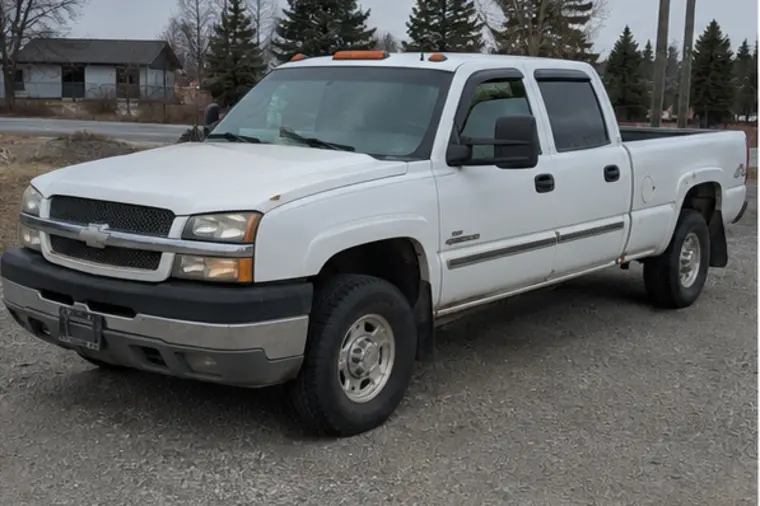
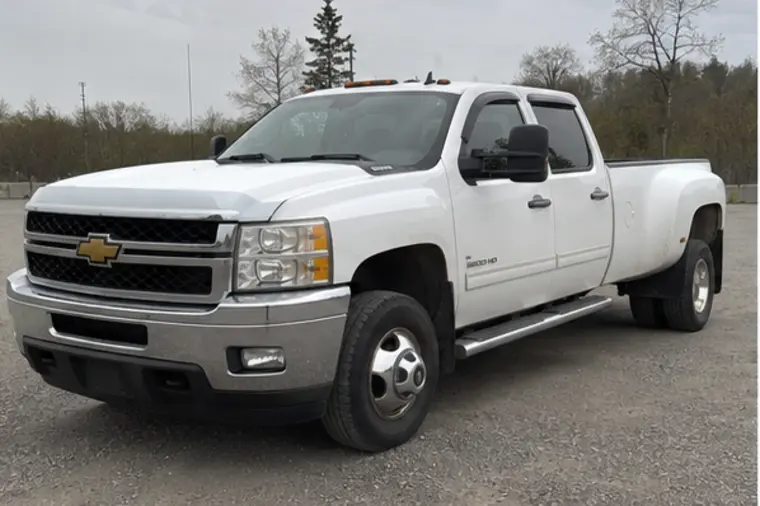
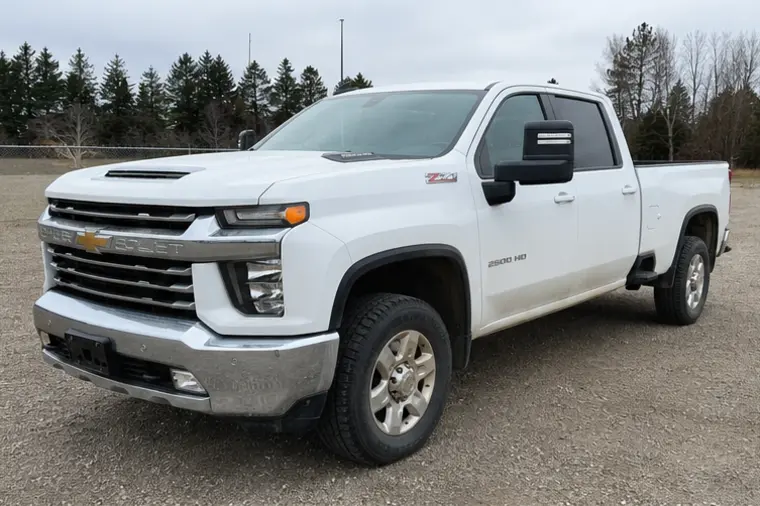
Allison branding is important to GM HD diesel research, but model year, transmission generation, calibration and application still need exact verification.
Use a documented transition point
Allison announced a ten-speed, fully automatic Allison-branded transmission for the 2020 Chevrolet Silverado 2500/3500 HD. That provides a specific research boundary when cross-shopping earlier and later HD pickups. It does not establish that every vehicle wearing an Allison badge uses the same transmission or shares interchangeable parts.
| Candidate | Research task | Avoid this shortcut |
|---|---|---|
| Earlier Duramax HD pickup | Identify the exact transmission and year-specific service information | Treating it as the later ten-speed because the branding matches |
| 2020 Silverado 2500/3500 HD | Reconcile the documented ten-speed introduction with the actual truck | Transferring a launch claim to every later configuration |
| Sierra HD or another model year | Obtain its own manual and build evidence | Using a Chevrolet press announcement as its complete specification |
| Medium-duty Silverado or completed work body | Use the correct commercial family and installation documents | Applying pickup ratings or service assumptions to a different platform |
Identify before ordering service
Record the original build information and the identity of any installed replacement assembly. Ask for invoices describing the fluid, filters, repair scope and kilometres. “Allison service” is too broad to confirm what was done. A transmission label or case observation should be interpreted by someone familiar with the application, especially if the drivetrain has been modified.
Use Chevrolet's manual selector for the exact model and year, then locate the relevant diesel supplement and transmission maintenance section. The selector is a route to the correct document, not an interval recommendation on its own.
Connect symptoms to operating conditions
An ordinary road test should stay within safe, permitted conditions. Avoid attempts to demonstrate maximum pulling ability or provoke a failure. Request a professional scan and inspection that relates the observed concern to the correct unit.
| Observation | Useful follow-up |
|---|---|
| Delayed engagement or repeated shift concern | Record cold/warm state, mode, speed and relevant messages |
| Fluid leak or heat complaint | Review line, cooler, seal and prior repair evidence |
| Recent replacement | Identify assembly, installation scope and whether the complaint was resolved |
| Tuning or nonstandard tires/gearing | Tell the inspecting shop what changed before diagnosis |
Compare complete ownership needs
Check engine, cooling, driveline, chassis and transmission history together. For a work truck, ask the local service provider about the identified application, parts access and a repair plan. A reassuring brand reputation cannot replace these facts, and a single bulletin does not establish a failure rate for all GM HD trucks.
Use the generation guide to place the truck, the Duramax guide to identify the engine, and this transmission file to keep service and condition questions specific.
Evidence note: manufacturer documents establish the specific facts and applications cited. Buying workflows and cost scenarios are DieselTrucks.ca editorial guidance. These pages do not publish measured failure rates or confirm the condition, recall status or capacity of a particular truck.
General educational content for Canadian diesel-pickup research. Verify the exact truck, model year, certification labels, owner manual and manufacturer documentation, and obtain qualified mechanical or towing advice where appropriate.
Sources & Further Verification
Use the exact model year, VIN, truck labels and current manufacturer documentation when moving from general research to a purchase or towing decision.