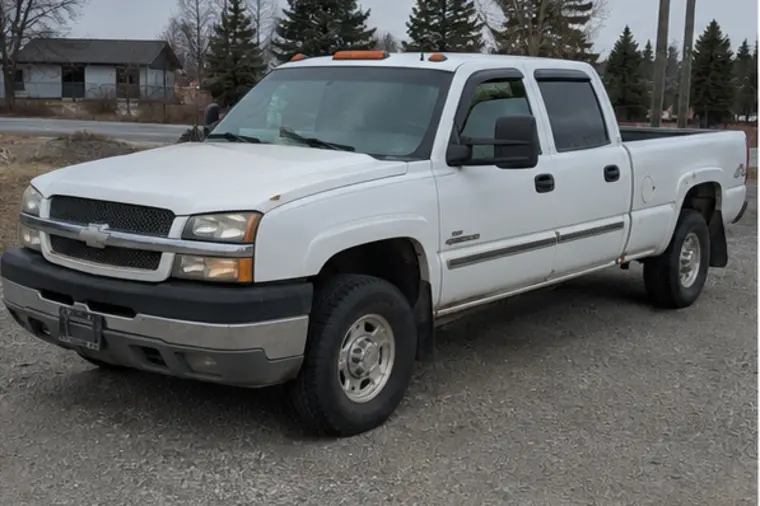
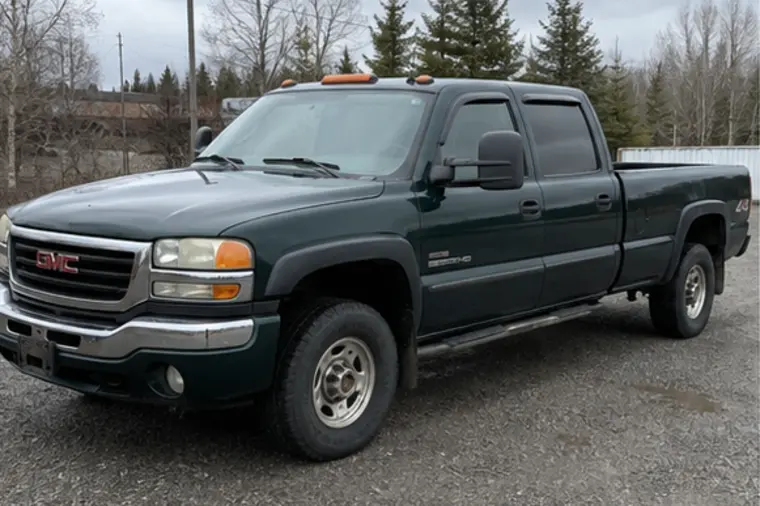
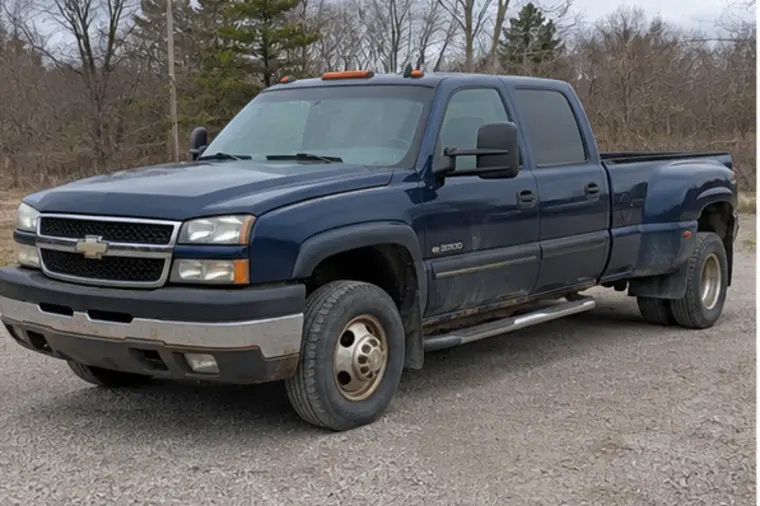
GMT800 is useful platform shorthand for early Silverado and Sierra HD research, but buyers still need the exact model year, Duramax code and truck configuration.
Place the truck in the correct era
Use model year, VIN and engine information to place the truck in the correct GMT800-era Duramax context.
Engine and transmission context
Several early Duramax codes and Allison transmission contexts appear within the platform era. Apply engine-specific inspection only after identification.
Cab, bed, axle and rear-wheel choices
Silverado/Sierra 2500HD and 3500, cab, bed, drivetrain and SRW/DRW options create different work histories and label capacities.
Used-buying questions for this era
Ask how the truck was used and require the history to support the seller's description.
- Which Duramax code and transmission are verified?
- Do records cover fuel, cooling and transmission service?
- What do front-end, brakes, lines, cab mounts and frame show?
- Are tuning, lift, wheel/tire and towing changes documented?
Use engine identity and age-related repair evidence together
The GMT800 heading helps locate a body-era research path, but buyers still need the exact Duramax code and factory configuration. Retain build information and replacement-engine records before applying a parts list, service bulletin or reported issue from another early Duramax.
Assess rust, brake and fuel lines, electrical repairs, cab condition and transmission history alongside the engine. Ask the shop to separate immediate safety work from maintenance and unresolved diagnosis. A comparatively low purchase price can change materially after structural and supporting-system work is quoted. Conversely, age alone does not establish engine failure. Compare the documented truck rather than an era-wide reputation.
Treat the engine code and older chassis as separate research tracks
Early Duramax listings can span several engine-code contexts within a familiar body shape. Obtain factory engine identification and compare any replacement records before accepting a seller's LB7, LLY or LBZ description. Styling alone should not select the inspection checklist.
A desirable engine code may still sit in a truck needing substantial supporting work. Compare ready-for-use cost with another candidate, including work that cannot be quoted until corroded parts are disassembled. Keep appearance improvements separate from evidence of structural repair.
| Research track | Useful purchase output |
|---|---|
| Engine and transmission identity | Correct specialist and service-document selection |
| Fuel and cooling condition | Written diagnosis of current symptoms |
| Chassis age | Priced brake-line, mount, steering and corrosion findings |
Evidence note: manufacturer documents establish the specific facts and applications cited. Buying workflows and cost scenarios are DieselTrucks.ca editorial guidance. These pages do not publish measured failure rates or confirm the condition, recall status or capacity of a particular truck.
General educational content for Canadian diesel-pickup research. Verify the exact truck, model year, certification labels, owner manual and manufacturer documentation, and obtain qualified mechanical or towing advice where appropriate.
Sources & Further Verification
Use the exact model year, VIN, truck labels and current manufacturer documentation when moving from general research to a purchase or towing decision.