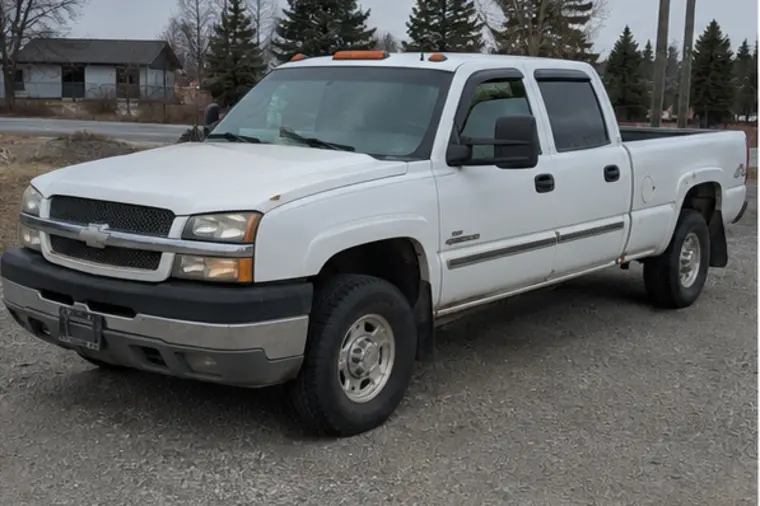
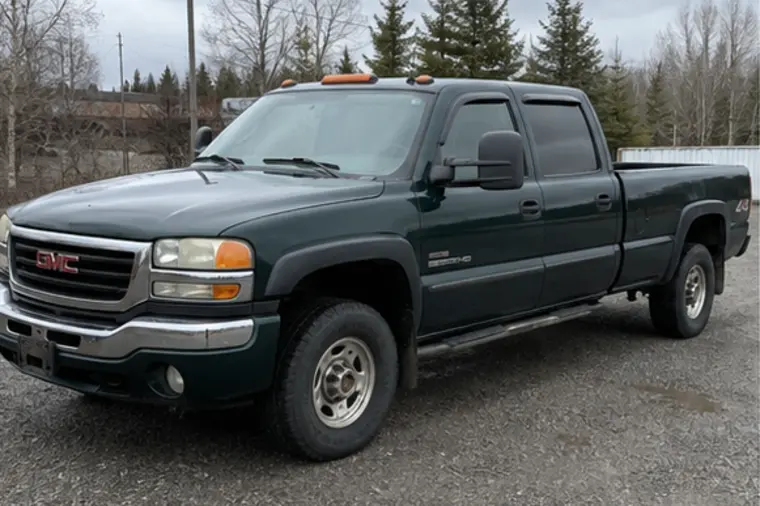
Early Duramax HD trucks span more than one engine code and platform revision. Identify the model year and engine code first, then inspect the complete Silverado or Sierra HD rather than relying on an era reputation.
Identify the early 6.6L Duramax correctly
Use the VIN, model year and authoritative documentation to distinguish the applicable Duramax era and Silverado/Sierra HD configuration.
Read the history before the reputation
Look for a coherent history covering fuel-system work, cooling, transmission service, injectors where applicable, front-end repairs and corrosion. Avoid converting forum reputation into a diagnosis of the truck in front of you.
Inspection priorities
Arrange a genuinely cold start and a qualified inspection that evaluates the whole truck. One symptom is a reason to investigate further, not a remote diagnosis.
- Observe cold starting, idle, warning lamps and visible leaks.
- Use a qualified scan and inspection appropriate to the exact engine code.
- Evaluate Allison transmission behaviour and supporting service records in model-year context.
- Inspect cab mounts, brake and fuel lines, hitch area, suspension and steering.
Ownership and use-case fit
Older GM HD ownership includes chassis, body, electrical and accessory condition. Compare parts availability, repair access and downtime needs before buying.
Include expected catch-up work, tires, brakes, corrosion, insurance and downtime in the purchase decision. A lower asking price does not automatically offset missing history or a configuration that does not fit the job.
Separate code desirability from the cost of an older HD
Confirm the engine code, then ask a diesel shop to assess current fuel, cooling and starting behaviour. Add an underbody inspection with attention to lines, mounts and prior repairs. A desirable code does not compensate for inaccessible structural condition.
Check whether an engine or transmission replacement matches the seller's description and installed identifiers. Keep replacement-component distance distinct from truck distance. Price the vehicle required for your first job, including preparation and downtime, rather than paying solely for an engine-code reputation.
| Compare candidates by | Evidence |
|---|---|
| Engine repair exposure | Diagnosed current findings and supporting invoices |
| Transmission condition | Service history and repeatable road-test observations |
| Age-related work | Written scope including corroded access hardware |
Evidence note: manufacturer documents establish the specific facts and applications cited. Buying workflows and cost scenarios are DieselTrucks.ca editorial guidance. These pages do not publish measured failure rates or confirm the condition, recall status or capacity of a particular truck.
General educational content for Canadian diesel-pickup research. Verify the exact truck, model year, certification labels, owner manual and manufacturer documentation, and obtain qualified mechanical or towing advice where appropriate.
Sources & Further Verification
Use the exact model year, VIN, truck labels and current manufacturer documentation when moving from general research to a purchase or towing decision.