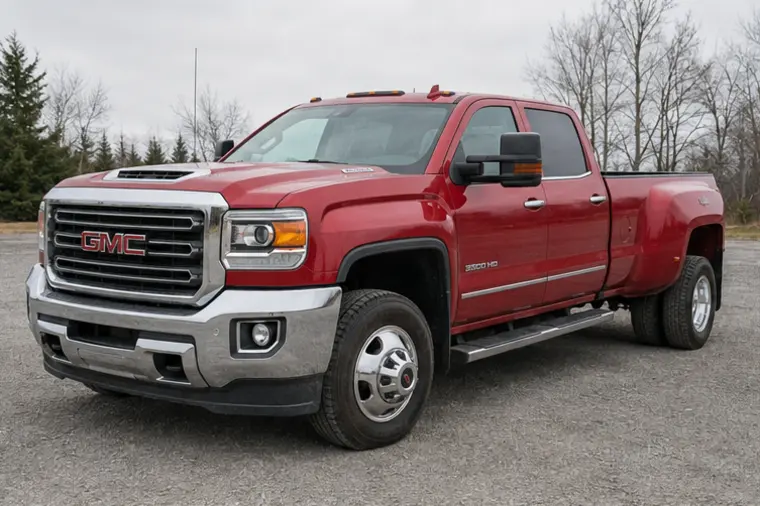
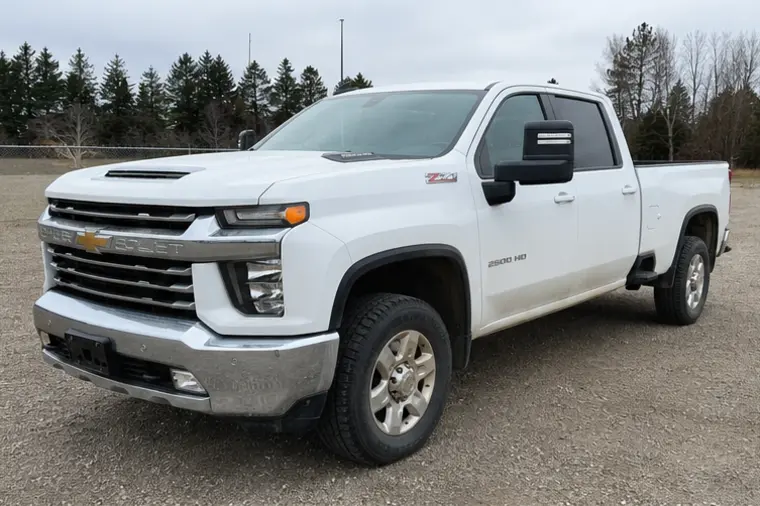
An L5P Duramax buying decision should connect the engine to the exact Silverado or Sierra HD generation, transmission, cab, bed, rear-wheel and payload configuration.
Identify the L5P Duramax correctly
Confirm the model year, engine code, Silverado or Sierra model, pickup versus chassis-cab use and the exact factory configuration.
Read the history before the reputation
Review scheduled service, warning and repair history, software campaigns, recalls, emissions-system work and transmission records. Newer does not mean maintenance-free.
Inspection priorities
Arrange a genuinely cold start and a qualified inspection that evaluates the whole truck. One symptom is a reason to investigate further, not a remote diagnosis.
- Begin with a cold inspection and a full-system scan by a qualified technician.
- Inspect for leaks, wiring or accessory installation issues and non-factory tuning.
- Evaluate transmission operation and ask how often the truck towed or idled.
- Inspect brakes, tires, hitch, bed, rear axle area and underbody condition.
Ownership and use-case fit
Verify the payload label and manufacturer trailering information for the exact truck. Maximum published ratings describe selected configurations, not every used listing.
Include expected catch-up work, tires, brakes, corrosion, insurance and downtime in the purchase decision. A lower asking price does not automatically offset missing history or a configuration that does not fit the job.
Compare truck and transmission era within L5P research
A shared L5P code does not settle the truck platform or transmission. Allison's 2020 Silverado HD announcement identifies a useful transmission reference point. Record the actual year and installed unit when comparing earlier and later candidates.
Treat a newer platform's features as value only when they help the job and work correctly. Compare initial repair cost and loaded axle fit alongside the asking prices. An L5P badge does not certify that a previous owner followed the schedule or left the truck unmodified.
| Comparison item | Evidence that changes the decision |
|---|---|
| Transmission and service | Exact unit, maintenance and road-test findings |
| Towing equipment | Fitted and functional hardware for the intended trailer |
| Warning/repair history | Dated cause, work and post-repair observations |
Evidence note: manufacturer documents establish the specific facts and applications cited. Buying workflows and cost scenarios are DieselTrucks.ca editorial guidance. These pages do not publish measured failure rates or confirm the condition, recall status or capacity of a particular truck.
General educational content for Canadian diesel-pickup research. Verify the exact truck, model year, certification labels, owner manual and manufacturer documentation, and obtain qualified mechanical or towing advice where appropriate.
Sources & Further Verification
Use the exact model year, VIN, truck labels and current manufacturer documentation when moving from general research to a purchase or towing decision.