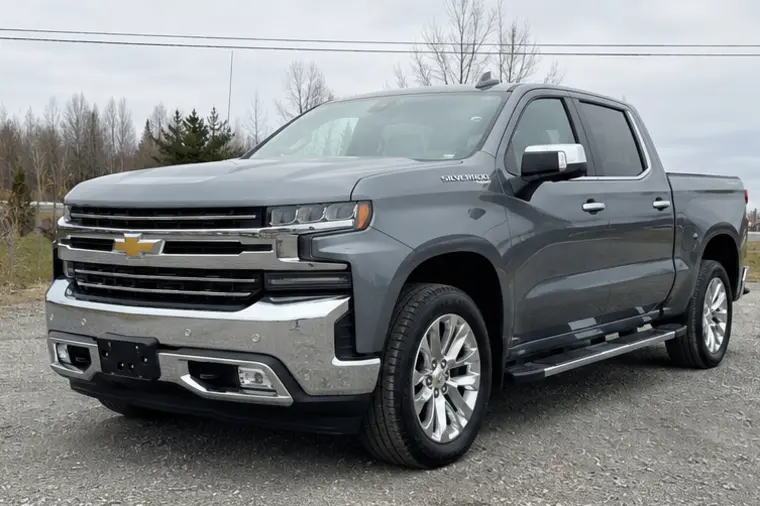
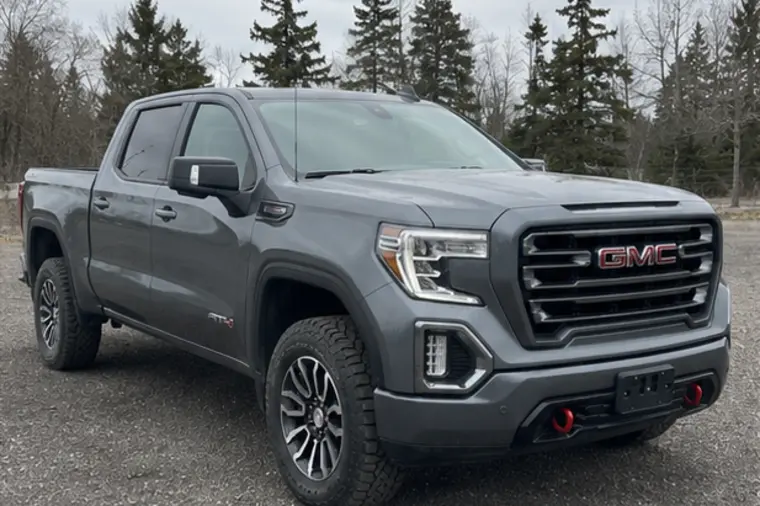
The 3.0L Duramax serves a half-ton buyer profile and should not be evaluated using 6.6L HD assumptions. Model year, engine generation, daily-use pattern, service history and the truck's payload label all matter.
Identify the 3.0L Duramax correctly
Confirm the Silverado 1500 or Sierra 1500 model year, engine generation, drivetrain, cab, bed and payload label.
Read the history before the reputation
Review oil and filter service, emissions warnings, software campaigns, cooling work and the seller's daily-use pattern. Frequent short trips and long-distance towing create different inspection questions.
Inspection priorities
Arrange a genuinely cold start and a qualified inspection that evaluates the whole truck. One symptom is a reason to investigate further, not a remote diagnosis.
- Observe a true cold start and scan all relevant modules.
- Check service records against the exact model-year manual.
- Inspect emissions-system status, fluid leaks and non-factory tuning.
- Calculate payload use with occupants, cargo and loaded hitch weight.
Ownership and use-case fit
A half-ton diesel can suit daily use and moderate towing, but available payload may be the practical constraint. Compare the actual truck with an HD alternative when the trailer or cargo plan is close to its limits.
Include expected catch-up work, tires, brakes, corrosion, insurance and downtime in the purchase decision. A lower asking price does not automatically offset missing history or a configuration that does not fit the job.
Make engine-code identification part of the long-term budget
Establish LM2 or LZ0 from the vehicle's records and identifiers, then obtain the matching maintenance schedule. GM describes the LZ0 as a later development of the LM2, but that relationship does not make all scheduled items or intervals transferable.
Compare the diesel option with the use the truck will actually see. A half-ton that fits daily driving still needs a separate loaded-trailer assessment. Missing service evidence should become a documented baseline plan, while an active warning requires diagnosis before it can be priced as routine maintenance.
| Ownership question | Purchase evidence |
|---|---|
| Routine short trips | Actual duty pattern and emissions warning history |
| Major scheduled work | Correct engine schedule and installed local estimate |
| Family towing | Full occupant/cargo list and measured connection load |
Evidence note: manufacturer documents establish the specific facts and applications cited. Buying workflows and cost scenarios are DieselTrucks.ca editorial guidance. These pages do not publish measured failure rates or confirm the condition, recall status or capacity of a particular truck.
General educational content for Canadian diesel-pickup research. Verify the exact truck, model year, certification labels, owner manual and manufacturer documentation, and obtain qualified mechanical or towing advice where appropriate.
Sources & Further Verification
Use the exact model year, VIN, truck labels and current manufacturer documentation when moving from general research to a purchase or towing decision.