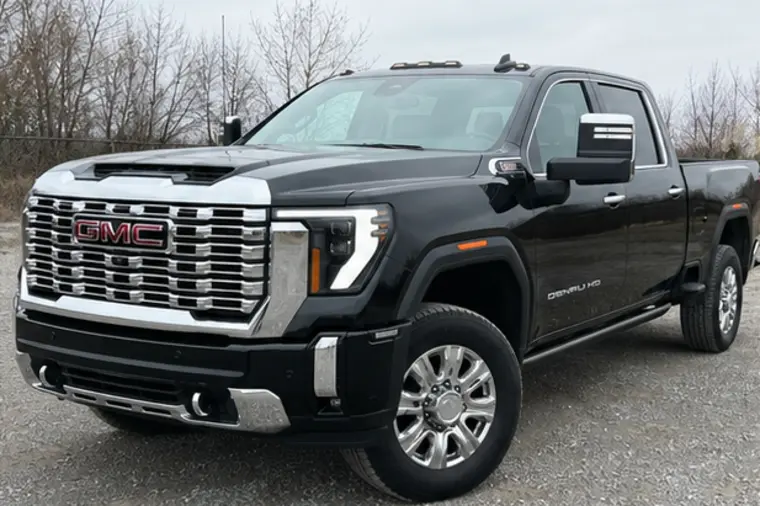
A GMC Sierra 2500HD diesel should be assessed as a working vehicle, not just an L5P engine. Engine condition, transmission behaviour, emissions equipment, chassis wear and the required load all affect whether it can reliably do the next job. The primary evidence reviewed here supports focused inspections and ownership decisions; it does not establish a model-wide Canadian failure rate or guaranteed service life.
Define dependable enough for the assignment
A truck used for scheduled local work presents a different support problem from one towing far from home on a fixed departure date. Start by defining the work, expected load, available service access and the consequences of an interruption. Those factors do not change the mechanical condition, but they determine how much unresolved uncertainty the owner can reasonably accept.
Separate evidence of a known concern from evidence of its frequency. Manufacturer bulletins explain conditions and diagnostic approaches; they do not supply a comparable population of maintained trucks with equivalent usage. Recall records identify safety concerns in defined populations. Neither document type, by itself, establishes that a selected year will be more dependable than every alternative.
Use a condition-based decision instead of an unsupported score. Identify what has been inspected, what has been repaired, what remains unknown and what would interrupt the planned assignment. A clear limitation can be managed. An unsupported promise of long life cannot substitute for a repair plan when a truck already has a recurring symptom.
Keep the L5P and transmission applications specific
The 2020 GMC guide documents the HD diesel with the Allison 10L1000 ten-speed. Its half-ton diesel transmission is a separate application. GM also distinguishes the later L5P revision from 2023-and-older engines. These boundaries matter when comparing specifications and repair accounts; a generic Duramax label does not establish identical equipment across all vehicles.
For an earlier candidate, obtain the actual model-year and build information. Do not infer its transmission, output or towing suitability from a later brochure. For a modified truck, request documentation of the installed equipment and calibration rather than relying on the original badge. The inspection needs to address the vehicle being purchased, including meaningful changes since manufacture.
| Identification item | Reliability implication |
|---|---|
| Exact model year and engine | Determines relevant service and maintenance information |
| Actual transmission | Keeps half-ton, HD and other applications separate |
| Cab, bed, drivetrain and installed equipment | Establishes the configuration used for load assessment |
| Original versus modified systems | Changes the questions an inspector must answer |
| Work and repair history | Helps focus the current evaluation |
Fuel-pressure complaints require diagnosis
GM bulletin 20-NA-197 identifies a possible fuel-pressure sensor connector issue in specified 2017–2020 L5P applications. Its relevance is diagnostic: a listed fault does not automatically establish a failed pump or a complete fuel-system replacement. Have the technician match the application, symptoms and findings to current service information.
When reading an invoice, distinguish the reported symptom from the confirmed cause. A list of parts without the diagnostic findings may leave important questions unanswered. Ask whether the original complaint returned and whether subsequent work changed the diagnosis. The result matters more than the number of components replaced or the seller's confidence that the most expensive part must have solved it.
If fuel-system contamination is suspected, obtain evidence and a written scope before assigning a repair budget. Do not use a pressure code alone to infer contamination, or transfer another engine's common repair story to this L5P. A supported diagnosis can make a repair decision concrete; an assumed cause can make both the budget and the expected downtime unreliable.
Transmission campaign status and present condition are separate
Transport Canada 2024637 covers defined 2020–2022 diesel Sierra HD applications. The recorded remedy concerns transmission-control software. Confirm the VIN's current status and retain evidence of completed work. That record does not certify the present condition of every internal component or resolve an unrelated continuing shift complaint.
Ask whether abnormal shifting occurred before or after the campaign visit. Read any separate repair order and obtain an appropriate professional evaluation when symptoms remain. Do not conduct a road test designed to provoke a potentially serious transmission event. A safety concern warrants diagnosis before further use, not repeated experimentation to improve the seller's demonstration.
Treat the repair history as an explanation of what happened rather than a binary repaired/not-repaired label. A software visit, diagnostic investigation and component replacement are different actions. A useful assessment states which occurred and what evidence supports the outcome. This is particularly important when the purchase depends on the truck entering loaded service immediately.
Emissions condition belongs in the reliability assessment
GM bulletin 16-NA-380 distinguishes DPF-related fault indications within its stated diesel scope. It illustrates why apparently similar warnings need a proper diagnostic process. Do not assume every emissions complaint requires the same component or can be resolved by a regeneration. The cause should follow from the applicable tests and findings.
Ask about repeated warnings, reduced-power events, prior repairs and any modifications. Have the inspection establish what equipment is actually present and what remains unresolved. A clean dashboard at one viewing is useful but limited evidence, especially when the available history does not explain earlier complaints. Record those limitations rather than describing the system as proven trouble-free.
Discuss the intended operating pattern with the servicing shop and use the appropriate maintenance documentation. Extended idle time, towing, storage and frequent short journeys are relevant history questions, not a basis for inventing a universal failure rate. The ownership plan should reflect the actual work and address any existing fault before relying on general maintenance to prevent another interruption.
Whole-truck condition can determine availability
A reliable engine does not make worn tires, damaged brakes, poor electrical installations or an unsuitable hitch irrelevant. Inspect the chassis and working equipment alongside the powertrain. Ask the technician to identify anything that affects safe use, expected near-term work or the ability to connect the intended trailer correctly.
Review visible corrosion, bed and frame condition, signs of impact or overloading, hitch attachments and aftermarket wiring. A vehicle used for work may have legitimate alterations, but they should be understood. Request installation and repair records where available. Where the inspector cannot assess a concealed or specialist installation, identify that limit and obtain the relevant assessment rather than assuming it passed.
Check actual loading with the people, cargo and equipment that will be present. Do not borrow a 3500HD capacity figure for a 2500HD. An overloaded or unsuitable combination is an operating mismatch that model-year selection cannot correct. If the job requires another configuration, compare that vehicle before spending more effort trying to justify the current candidate.
Build an inspection around the reported history
Give the inspector the history before the appointment. A recurring condition that appears after a particular operating pattern may not be answered by a generic short evaluation. Agree on the question that needs resolving and the limits of the proposed inspection. This makes a later recheck more useful because it can address the original concern directly.
Preserve the report, labels and repair evidence with the vehicle's records. If you seek another opinion, ask about the specific unresolved finding rather than starting with a broad claim that the model is unreliable. Precise questions improve the chance of obtaining a diagnosis and a practical decision.
| Stage | Evidence to collect | Decision it supports |
|---|---|---|
| Before viewing | Identity, labels, records and unresolved complaints | Whether the candidate merits inspection |
| Cold start and scan | Observable behaviour, fault history and data limitations | Which systems need focused investigation |
| Appropriate road evaluation | Normal shifts, steering, braking and messages | Whether current operation warrants further diagnosis |
| Chassis and equipment review | Condition, installations and actual load suitability | Whether the whole vehicle can do the job |
| Written findings | Urgent work, scheduled needs and unknowns | Purchase, repair and timing decisions |
Plan for recovery as well as prevention
Obtain written estimates for identified repairs and ask about parts and appointment availability. Separate scheduled maintenance, consumables, diagnosed faults and optional upgrades. No single allowance can represent every used Sierra 2500HD, and this guide does not predict a remaining distance before a major repair.
For commercial use, verify whether a replacement vehicle could handle the trailer connection and loaded assignment. A vehicle that transports the driver may not preserve the same work capability. For recreation, allow time for inspection, repair and follow-up before departure. The support plan should be tested against the actual use, not the assumption that any rental or borrowed truck will suffice.
If a material intermittent fault remains unexplained, decide whether the intended work permits that uncertainty. A supported repair and satisfactory recheck may return the truck to consideration. Where the timing, budget or service access cannot accommodate the unresolved issue, selecting another candidate can be the more dependable decision without making a blanket judgment about its model year.
Sierra 2500HD reliability questions
Does the L5P badge guarantee dependability? No. Assess the actual engine application, transmission, chassis, history and required work together.
Are all ten-speed Sierra transmissions interchangeable for research? No. The manufacturer guide identifies different half-ton and HD applications.
Can a recall completion record replace an inspection? No. It addresses the specified campaign work, not every aspect of current condition.
What makes the strongest purchase case? Appropriate capability, documented maintenance and repairs, a satisfactory current assessment and a workable plan for remaining needs.
Evidence note: manufacturer documents establish the specific facts and applications cited. Buying workflows and cost scenarios are DieselTrucks.ca editorial guidance. These pages do not publish measured failure rates or confirm the condition, recall status or capacity of a particular truck.
General educational content for Canadian diesel-pickup research. Verify the exact truck, model year, certification labels, owner manual and manufacturer documentation, and obtain qualified mechanical or towing advice where appropriate.
Sources & Further Verification
Use the exact model year, VIN, truck labels and current manufacturer documentation when moving from general research to a purchase or towing decision.
- GMC 2020 trailering guide — original manufacturer powertrain and configuration tables
- GM L5P technical description — later specification versus 2023-and-older engines
- GM 20-NA-197, September 2020 — fuel-pressure connector diagnosis
- Transport Canada 2024637 — diesel transmission recall
- GM 16-NA-380, September 2022 — DPF fault distinctions
- Chevrolet Canada manuals and guides