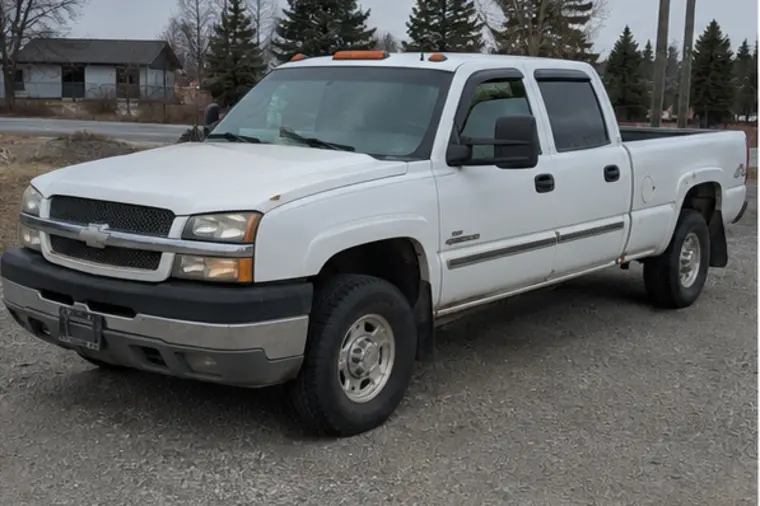
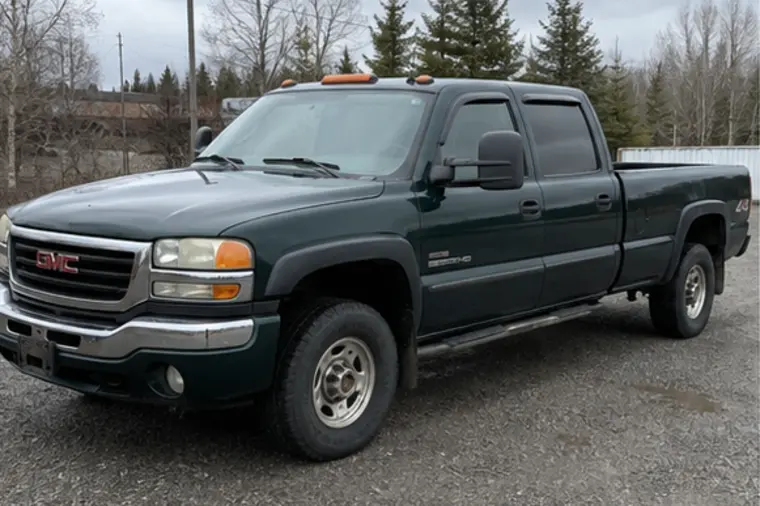
No reviewed primary source supplies one exposure-adjusted LB7 Duramax reliability percentage. Original 2001, 2002 and 2004 GM manuals establish year-specific vehicle and diesel-document paths, while GM's later hard-part evidence bulletin explicitly includes LB7 applications. Those sources explain how to identify and document the truck; they do not predict an unseen engine. An LB7 is reliable for a particular owner when the exact engine and complete truck repeatedly perform the defined assignment with acceptable maintenance, legality, safety, support and downtime. Candidate measurements and repair closure outrank internet reputation and model year.
Reliability verdict: define the assignment, then test the truck
A reliable personal-use LB7 and a reliable remote commercial tow vehicle may require different evidence, service access and downtime tolerance. Record the actual trailer, payload, route, grades, winter exposure, annual distance, idle time and work schedule.
Then assess identity, maintenance, injector and fuel evidence, cold and hot operation, cooling, transmission, chassis, legal configuration and support. A clean idle or recent parts invoice cannot answer all of those questions.
Use proceed, repair-first and decline gates set before inspection. Do not turn missing evidence into a passing score.
Confirm LB7 identity before assessing reliability
Record VIN, engine RPO, Chevrolet or GMC model, model year, cab, box or body, drivetrain, axle, transmission, original market and emissions label. Photograph vehicle, door and engine identification.
Connect replacement engines, modules and transmissions to serials, parts, invoices and programming. Keep pickup applications separate from medium-duty Kodiak or TopKick configurations.
A 6.6L badge, early-GMT800 body or seller description does not prove the installed engine. Reliability analysis is invalid until build information, labels, hardware and records agree.
Use the matching vehicle and diesel documents
GM's original 2001, 2002 and 2004 Silverado manuals each provide year-specific loading, towing, operating and maintenance context and direct diesel owners to separate diesel literature.
Retrieve both the exact vehicle manual and matching diesel supplement. The vehicle manual cannot supply every engine procedure, while engine literature cannot establish capacity for an unidentified cab, axle, wheel and hitch configuration.
Do not substitute a neighbouring year because the truck looks similar. Preserve the pages used in the candidate file.
Use an evidence hierarchy
Keep observation, diagnosis, repair and condition-matched outcome connected to the same truck.
| Evidence | Supports | Does not prove alone |
|---|---|---|
| Candidate measurement under recorded conditions | Present operation during that test | Remaining life under every duty |
| Complete repair file | Complaint, diagnosis, work and recheck | Condition of unrelated systems |
| Exact-year GM literature | Applicable operation, maintenance and vehicle limits | Prior-owner compliance |
| Bulletin or special program | Defined application, condition or evidence path | Prevalence or current candidate status |
| Seller statement | A question for inspection | Diagnosis, configuration or reliability |
Separate severity, frequency and owner consequence
A serious injector, fuel, cooling or lubrication symptom can matter without proving that it is common. Conversely, many online complaints lack a common population, maintenance standard and inspected outcome.
Record severity from the candidate's condition and qualified diagnosis. State frequency only when a suitable exposure dataset exists; none was found in the reviewed primary set for LB7 year-by-year comparison.
Then add owner consequence: recovery distance, missed work, substitute equipment and repair access. The same unresolved condition can produce different decisions for local hobby use and remote hauling.
Reconstruct injector evidence as one chain
For rough running, haze, fuel knock, low power, hard starting or suspected fuel in oil, preserve exact codes, correction or balance data under the appropriate procedure, return or leak evidence, fuel pressure, oil trend and technician conclusion.
For previous injector work, record quantity, part number, new or remanufactured status, installer, lines and seals, reason, related fuel work and comparable result.
An “eight injectors replaced” invoice supports reliability only when the initiating condition, full scope and recheck align. Price alone is not diagnostic quality.
Monitor fuel dilution rather than relying on one dipstick check
Establish oil level and condition with the correct procedure, then trend over known distance, hours and duty. Retain laboratory evidence when warranted and connect it to injector, return-system and fuel-pressure findings.
A fresh oil change resets the observation window; it cannot reconstruct the prior trend. Odour or a rising level indicates investigation, not one automatically proven component.
Pause when lubrication safety, cause or downstream consequence is unresolved. A candidate becomes stronger only after the original condition is closed and the new baseline remains stable.
Test a genuine cold start
Arrange a cold soak where practical. Record ambient temperature, block-heater use, batteries, cables, cranking, warning behaviour, smoke, idle, leaks, codes and stabilization.
Separate electrical, starter, glow, fuel supply, high-pressure, injector and compression branches. A seller-warmed truck cannot answer the same reliability question.
If access or weather prevents a relevant cold test, mark it not assessed. Do not award reliability from presentation quality.
Recheck fully warm operation and restart
Bring the engine, cooling system and transmission to stable temperature through a safe test appropriate to the truck. Record response, smoke, warnings, codes, temperatures, leaks, shifts and fluid behaviour.
Perform a hot restart after a documented interval. Compare cold and hot results under known conditions rather than using one short unloaded drive.
Loaded testing must remain within verified ratings and safe practice. Stop for overheating, pressure, lubrication or safety warnings.
Diagnose fuel supply and high pressure in sequence
For long crank, no-start, stall or low power, capture filter condition, restriction, air entry, priming, supply path, commanded and actual pressure, electrical evidence and injector contribution using current LB7 procedures.
An added lift pump is a modification, not proof that the cause was found. A pump or regulator invoice remains incomplete without the measurement that selected it and a comparable outcome.
Reliability improves when the full tank-to-injector chain is understood, not when expensive components are counted.
Preserve contamination evidence and repair boundaries
When water, gasoline, debris or another contaminant is suspected, preserve a suitable sample, filter evidence, photographs and technician findings before cleanup.
Map which tank, lines, filter, pump, rails and injectors were inspected, cleaned, replaced or reused. Confirm fuel source and symptom timing without assuming causation from proximity alone.
The later GM contamination bulletin reviewed elsewhere does not list LB7 and is not presented as an LB7 procedure. Use current engine-specific service information.
Evaluate cooling reliability as a complete system
Record coolant level trend, pressure tests, residue origin, cap, hoses, radiator airflow, fan, pump and thermostat history, loaded temperatures and any internal-leak testing.
An unloaded drive may not reproduce towing heat. A hard hose, clean reservoir or visible drip cannot by itself diagnose or exclude a head gasket, pump, radiator or other path.
Require condition-matched evidence and recheck. Separate one repaired leak from broader overheating history and downstream effects.
Diagnose smoke, air and turbo evidence by condition
Record smoke colour, duration, temperature, load, altitude, fuel odour and relevant scan data. Inspect intake restriction, charge-air plumbing, turbo control, exhaust, sensors, fuel delivery, compression and fluids.
Shaft feel, visible oil or a seller video is not a complete turbo or engine diagnosis. Use observations to select professional testing.
A replacement turbo, hose or sensor supports reliability only when it resolves the same documented condition under a comparable test.
Use GM hard-part guidance as an evidence discipline
GM bulletin 08-06-04-006N explicitly includes LB7 in a warranty hard-part and calibration evidence workflow. It emphasizes preserving specific photographs, data and calibration details before disassembly.
That document is not a current warranty promise, failure-rate study or candidate diagnosis. It does support a rigorous standard for evaluating old rebuild or replacement claims.
Require pre-repair condition, measurements, photographs, machining and parts scope, assembly identity, installer, reused systems, warranty and post-repair validation.
Reconstruct maintenance by time, kilometres, hours and duty
Use the exact-year vehicle manual and diesel supplement. Record oil and filter, fuel filtration, coolant, transmission, transfer case, axles and other scheduled work by date and kilometres, adding engine hours and duty where available.
Towing, long idle periods, short cycles, dust, storage and Canadian winter starts can make odometer-only history misleading. New fluids create a baseline, not proof of prior service.
Classify each item supported, partial or unknown, then define catch-up work without pretending it renews underlying condition.
Read repeated repairs as one chronology
Place warnings, codes, operating conditions, tests, parts, calibrations and outcomes on one timeline. Multiple invoices may represent one unresolved intermittent concern, staged diagnosis or separate events.
Do not count visits as independent failures without evidence. Do not declare closure when the last record stops at part replacement.
Classify each concern repaired and rechecked, unresolved or not assessed. Repetition without a coherent cause and outcome is a candidate risk signal.
Audit modifications as changes to the evidence
List engine and transmission tuning, injectors, turbo, intake, exhaust, auxiliary fuel equipment, monitoring, tires, axle changes, suspension and wiring.
Obtain installer, parts, software, objective, supporting changes, measurements and results. Verify legality, insurance implications and shop acceptance.
“Stock,” “returned to stock” and “built” require hardware, software and record confirmation. Unknown calibration can change symptoms, code behaviour and the value of factory procedures.
Keep transmission and driveline reliability separate
Identify the installed automatic or manual transmission. Record fluid, leakage, temperature, engagement, shift or clutch behaviour, four-wheel-drive operation, axles, driveshafts and prior work.
Separate engine low power from converter, clutch or gear-command concerns using scan evidence and controlled testing. An upgraded transmission needs builder, specification, reason and verified outcome.
A reliable LB7 engine cannot certify the transmission, transfer case or axles.
Inspect the whole aged truck
Assess frame and underbody corrosion, brake and fuel lines, steering, suspension, hubs, tires, wheels, hitch, cab and box mounts, electrical repairs, collisions and upfits.
Age, kilometres, engine hours, storage and duty are separate exposure clues. Low distance cannot erase calendar age, while high distance does not prove neglect.
Separate engine, transmission, chassis and body findings. An unsafe structure or braking system overrides a favourable engine assessment.
Verify the assignment against exact ratings
Use certification and payload labels plus exact-year configuration literature. Confirm cab, box or body, drivetrain, axle, tires, wheels, hitch and trailer assumptions.
Add occupants, cargo, tools, accessories, auxiliary tanks and actual loaded tongue or pin weight. Engine output cannot override a lower axle, tire, payload, hitch or combined rating.
Reliability includes repeatable operation within verified limits. An overloaded truck is not a valid durability test or purchase plan.
Research Canadian safety status without inference
Use Chevrolet Canada's recall centre and Government of Canada sources for a Canadian VIN. Retain dated lookup results, campaign numbers and completion records; use NHTSA only for U.S. research.
A U.S. result cannot establish Canadian applicability, and model year alone cannot establish inclusion, exclusion or completion. Recall, special coverage, bulletin and complaint are distinct records.
No VIN was supplied, so no candidate status is represented here.
Model service access and downtime
Identify facilities that accept the exact LB7 truck, transmission and modifications. Confirm diagnostic capability, parts paths, appointment timing, transport and post-repair validation.
Chevrolet Canada's locator can begin discovery but cannot guarantee legacy-diesel expertise, parts, price or timing.
For working use, include recovery, queue, disassembly, sourcing, reassembly, recheck and substitute capacity. A repairable condition may still exceed the operation's downtime tolerance.
Use a candidate reliability matrix
Do not average a serious safety, legality or identity failure into a score.
| Area | Supported | Repair first | Pause or decline |
|---|---|---|---|
| Identity and literature | VIN, RPO, labels, hardware and documents align | Correctable record gap | Material identity conflict |
| Injector and fuel | Condition-tested data and repair closure | Bounded service with retest | Dilution, pressure or repeat concern unresolved |
| Cooling and operation | Cold, hot and relevant load checks satisfactory | Defined repair and comparable recheck | Overheating or fluid interaction unexplained |
| Transmission and chassis | Safe, serviced and assignment-capable | Bounded mechanical work | Unsafe, structural or incompatible condition |
| Modifications and legality | Known, lawful and supported | Documented correction plan | Unknown calibration or illegal configuration beyond tolerance |
| Support and downtime | Credible path fits the operation | Funded contingency | No viable service or substitute plan |
Apply proceed, pause and decline gates
Proceed when identity aligns, maintenance and repairs form a coherent chronology, relevant cold/hot/load checks are satisfactory, the truck is legal and safe, capacity fits and support is credible.
Proceed after work only when cause, scope, responsibility, cost, timing and a condition-matched recheck are documented.
Pause for pre-warming, rising oil, unresolved smoke or coolant, incomplete injector work, repeated visits, unknown tuning or missing ratings. Decline when safety, legality, structure, repair consequence or support exceeds the plan.
Preserve the limits of an LB7 reliability answer
The reviewed official set establishes original 2001, 2002 and 2004 vehicle context, exact-year document paths, current safety and support research, and a GM evidence workflow that includes LB7.
It does not supply exposure-adjusted injector or engine failure rates, a universal reliability percentage, a year ranking, exact candidate output or capacity, Canadian VIN status, repair-cost distributions or remaining-life forecasts.
Keep untested items marked not assessed. This method supports a candidate decision, not a warranty or lifespan promise.
LB7 Duramax reliability questions
Is there an official LB7 reliability percentage? No reviewed primary source supplies an exposure-adjusted family-wide measure.
Are later LB7 years proven more reliable? No. A later year is a search sequence, not statistical proof.
Does injector replacement settle reliability? Only when the original condition, diagnosis, complete scope and comparable outcome align.
Can a rebuilt engine make the complete truck reliable? No. Inspect fuel, cooling, transmission, chassis, electrical and modifications separately.
Does a clean warm idle prove winter reliability? No. Preserve a true-cold test where practical and compare fully warm operation.
What supports a purchase? Reconciled identity, coherent maintenance and repairs, satisfactory operating evidence, legal configuration, safe work fit and credible support.
Evidence note: manufacturer documents establish the specific facts and applications cited. Buying workflows and cost scenarios are DieselTrucks.ca editorial guidance. These pages do not publish measured failure rates or confirm the condition, recall status or capacity of a particular truck.
General educational content for Canadian diesel-pickup research. Verify the exact truck, model year, certification labels, owner manual and manufacturer documentation, and obtain qualified mechanical or towing advice where appropriate.
Sources & Further Verification
Use the exact model year, VIN, truck labels and current manufacturer documentation when moving from general research to a purchase or towing decision.
- GM 2001 Chevrolet Silverado owner manual — original vehicle, loading, towing and diesel-supplement context
- GM 2002 Chevrolet Silverado owner manual — original vehicle, loading, towing and diesel-supplement context
- GM 2004 Chevrolet Silverado owner manual — original vehicle identification, towing, service and maintenance context
- Chevrolet Canada manuals and guides — model-year vehicle literature lookup
- GM 08-06-04-006N, February 2022 — hard-part and calibration evidence requirements including legacy Duramax applications
- Chevrolet Canada recall centre — current vehicle recall lookup
- Government of Canada — current recalls, advisories and safety-alert search
- NHTSA vehicle recall search — U.S. VIN and model-level safety research
- Chevrolet Canada dealer and service locator — current support discovery