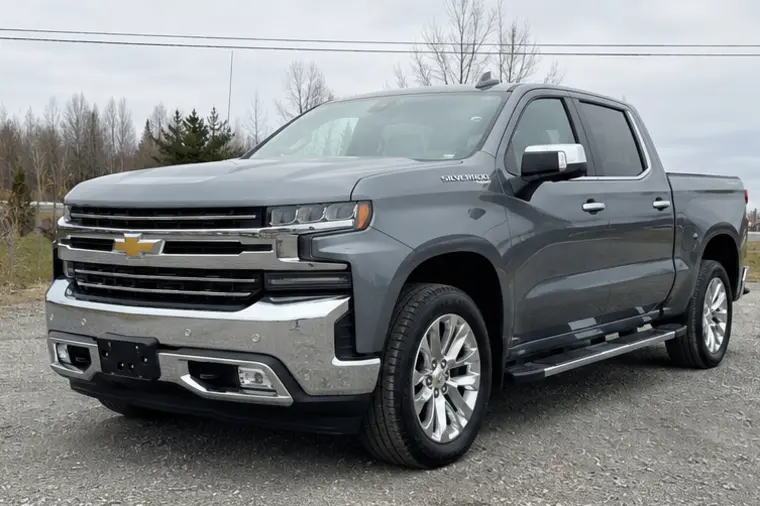
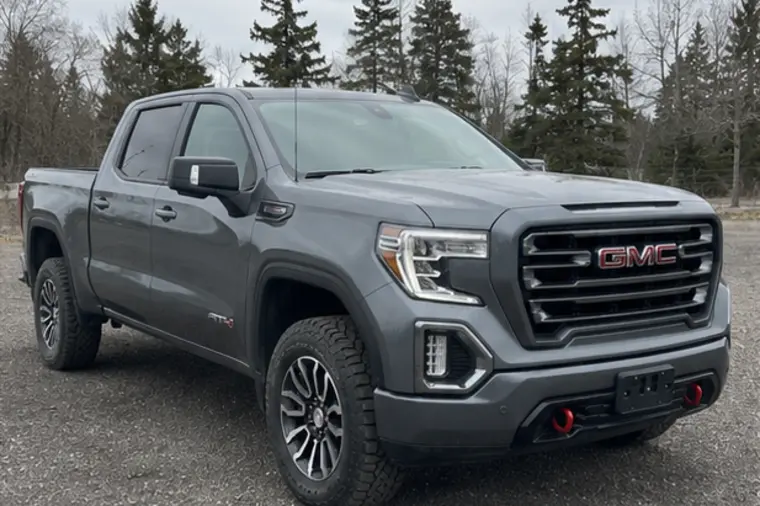
3.0L Duramax reliability cannot be reduced to a year score or a list of internet anecdotes. The LM2 and second-generation LZ0 have documented design and output differences, while primary records identify narrow maintenance, transmission, wiring, software and emissions questions. None supplies an exposure-adjusted failure rate or remaining-life formula. Evaluate the exact engine inside the exact Silverado 1500 or Sierra 1500, then connect its service, symptoms, repairs, load and support into one evidence file.
Define reliability for the buyer's assignment
Write the trips the truck must complete, annual distance, passengers, payload, trailer, climate, acceptable warning/downtime and available substitute. A dependable commuter and a dependable remote tow vehicle require different evidence and recovery plans.
Record VIN, make/model, year, LM2 or LZ0 identity, transmission, drivetrain, cab, bed, payload label, factory towing equipment and modifications. Reliability belongs to that completed truck, not the displacement badge alone.
State the decision period. A pre-purchase condition assessment cannot promise years of service, but it can identify supported, repaired, unresolved and unassessed systems.
Separate the engine generations accurately
GM describes LZ0 as the second-generation 3.0L inline-six after LM2 and documents revised piston material/design, fuel injectors, turbocharger and oil-pump-belt validation. It also publishes 305 hp and 495 lb-ft for LZ0.
These changes matter to parts, service, output and ownership planning. They are not a comparative field study and do not prove LZ0 fails less often.
Confirm engine code and original application before using a bulletin or maintenance schedule. Do not assume every vehicle crossed from LM2 to LZ0 on the same calendar boundary, especially when replacement assemblies or incomplete sales descriptions are involved.
Build a reliability file from four evidence levels
Do not total these levels into a numerical score. One unresolved high-consequence powertrain, safety or load concern can outweigh several routine-maintenance records.
| Evidence level | What it contains | How to use it |
|---|---|---|
| Strong | Matching VIN, complaint, measurements, diagnosis, repair and comparable recheck | Supports a candidate-specific conclusion |
| Moderate | Dated service or part record with incomplete complaint/result | Confirms work, not necessarily cause or success |
| Weak | Seller summary, cleared warning, unrelated invoice or online anecdote | Creates a question only |
| Unknown | System not scanned, operated, accessed or documented | Preserve as unassessed |
Read maintenance as evidence of care, not immunity
The original 2021 3.0L supplement supplies LM2-era oil, fuel-system and oil-pump-belt maintenance context. GM's LZ0 reference documents longer belt validation. Use the exact vehicle manual to establish what is due.
Request records by date and kilometres, plus available hours and duty context. A maintenance display reset or fresh fluid does not prove earlier work or resolve a warning.
For major scheduled work, identify parts, installer, access, related items and completion evidence. Maintenance supports reliability only when it matches the same engine and correct schedule; it never guarantees future operation.
Keep the 2020–2022 transmission campaign separate
Transport Canada 2024637 defines a particular 2020–2022 diesel Silverado/Sierra transmission population and a software remedy intended to detect valve wear and limit operation before wheel lock. It is not an engine recall or a measured LM2 failure rate.
Verify current VIN status and obtain the work order. Ask whether pre-existing mechanical symptoms were diagnosed and whether the truck was rechecked. Software completion does not certify physical condition.
Track engagement, shift quality, warnings and previous transmission work separately from engine findings. The complete truck matters, but accurate categories prevent campaign records from becoming a misleading engine statistic.
Use LM2 wiring guidance only when the application matches
GM 21-NA-149 includes an LM2 branch for specified rough-running, misfire/low-power and multiple-code conditions and gives a limited application description for the cited 2022 Silverado/Sierra trucks.
Obtain the exact codes, symptom conditions, harness findings and repair result. The bulletin supports wiring investigation before unnecessary module replacement; it does not say all LM2 engines share the condition.
For repeat visits, connect each invoice to the same complaint. Several module or sensor replacements without measurements and a successful recheck are weaker reliability evidence than one localized repair with a comparable result.
Apply the 2023 LZ0 software bulletin narrowly
GM 23-NA-071 identifies specified 2023 LZ0 warning/code conditions and directs a check for an available ECM update before normal diagnosis. It does not convert every warning into software or extend automatically to later calibrations.
Request the calibration check, codes, service action and post-programming outcome. If the original symptom remained, the reliability file should remain unresolved until normal diagnosis identifies the cause.
A software update is meaningful for its defined condition. It is not a certificate for injectors, turbocharger, cooling, aftertreatment, transmission or the rest of the truck.
Diagnose aftertreatment history by code and condition
DPF, DEF, EGR, sensor and control conditions can produce overlapping warnings, regeneration requests or reduced power. Capture the exact message, codes, temperature, route/load and technician findings before naming a component.
GM's reviewed DPF guidance distinguishes diagnostic conditions rather than supporting automatic replacement. A cleared code, generic highway drive or forced regeneration is not proof of a durable repair.
For recurring concerns, compare conditions and results across visits. Reliability improves when the cause is supported and the original operating condition is successfully rechecked—not when the dashboard is temporarily clear.
Measure cold, hot and loaded behaviour safely
Arrange a true cold start when practical. Record ambient/engine temperature, block-heater use, cranking, idle stabilization, smoke, leaks and warnings. Scan relevant modules before codes or learned information are cleared.
After warm operation, recheck restart, cooling, transmission engagement and any reported condition. Use a safe road evaluation appropriate to the truck, traffic and weather; do not provoke a severe derate or unsafe symptom.
Where towing behaviour matters, a professional evaluation and trailer/configuration review are more useful than an unloaded parking-lot drive. Stay within labels and legal limits.
Evaluate fuel, oil and coolant evidence as trends
Record fluid level and condition, external leaks, warning history, consumption between services and the source of any residue. One clean inspection does not prove there was never a leak; one stain does not establish internal failure.
For fuel concerns, note purchase timing, filter/water evidence, contamination testing and repairs. Preserve a suitable sample before cleaning when contamination is genuinely suspected.
For oil or coolant consumption claims, use dated measurements and professional diagnosis. Do not predict engine life from an oil-cap observation, exhaust appearance or seller statement alone.
Review major repairs as a sequence
For an injector, turbocharger, engine, wiring, emissions or transmission repair, request complaint, codes/measurements, diagnosis, exact assembly, installer, kilometres and outcome. A replacement part can strengthen evidence when it closes the original concern.
Do not call every replacement a failure or every large invoice proof of reliability. Work may be campaign action, scheduled service, preventive replacement, diagnosis or guesswork.
If a symptom returned, classify it as continuation, failed repair or new cause only after comparing evidence. Keep unrelated successful work from masking an unresolved high-consequence problem.
Include payload and towing fit in dependable service
The 2020 and 2023 Chevrolet trailering charts show configuration-specific rows rather than one capacity for all 3.0L trucks. Match cab, bed, drivetrain, axle, wheels/tires, hitch and required equipment.
Use the door-label payload for the actual candidate and subtract occupants, cargo, accessories and loaded hitch weight. A healthy engine cannot make an overloaded or mismatched truck dependable.
For recurring work, verify representative weights and route conditions. Higher LZ0 output is useful performance evidence, not permission to borrow another configuration's rating.
Match aftertreatment and maintenance to duty
Record average trip length, idle, towing, winter temperature, storage and regeneration history. Short, cold operation and longer loaded travel give different diagnostic context, but neither pattern proves a component failure by itself.
Use the correct manual for cold-weather fuel, heater and warning procedures. Do not improvise a maintenance interval from anecdotes or assume highway driving cures a diagnosed fault.
If the actual duty repeatedly conflicts with available service, payload or recovery support, compare another powertrain or truck class. Reliability includes the buyer's ability to maintain and recover the vehicle.
Inspect modifications without making them an automatic verdict
Identify engine/transmission calibrations, emissions removal, intake/exhaust changes, auxiliary fuel, larger tires, suspension work and electrical accessories. Retain installer and configuration records.
Unknown changes can alter diagnostic readings, legality, insurance, warranty and shop acceptance. A seller's claim of improved reliability or economy requires evidence for the actual truck.
Do not declare a failure from modification alone. Classify the change as documented and accepted, pending technical/legal review, or unsuitable for the buyer's needs.
Plan service, parts and downtime before purchase
Confirm a local provider accepts the exact LM2/LZ0 truck, its modifications and requested work. Ask about diagnostic capability, parts path, appointments and major scheduled service rather than relying on a brand directory alone.
Separate routine maintenance, due baseline work, immediate safety repairs, diagnosed powertrain work, unresolved investigation, transport and substitute cost. Use current written scopes for the actual candidate.
A repairable issue can still make the truck unsuitable for remote or time-critical work. State that as operational consequence, not predicted failure frequency.
Track reliability after purchase
Establish a baseline only after open symptoms and safety items are resolved. Record date, kilometres, hours where available, fluids, filters, codes, repairs and inspection limitations.
Use consistent complaint notes: temperature, load, route, warning order and whether restart changed the symptom. This gives the shop a better diagnostic starting point and distinguishes recurring from new events.
Update the evidence file after campaigns, programming, modifications or major service. Reliability is an evolving record of the actual truck, not a permanent score assigned on purchase day.
Use explicit pause and reject thresholds
These thresholds manage individual evidence. They do not condemn every truck in an engine generation.
| Finding | Initial decision | Evidence needed to reconsider |
|---|---|---|
| Current transmission campaign status unknown | Verify | Official VIN result and work order |
| Repeated rough-running or multi-code LM2 history | Pause | Correct application, wiring/normal diagnosis and recheck |
| 2023 LZ0 warning attributed only to software | Pause | Calibration check, full diagnosis if needed and outcome |
| Recurring emissions warning or reduced power | Pause | Codes, cause, repair and comparable recheck |
| Major scheduled work unsupported | Price and verify | Correct-year schedule, record or current scope |
| Payload/towing mismatch | Reject configuration | Different truck or changed assignment |
| No suitable service or substitute | Reject when continuity is essential | Credible support and recovery plan |
State the reliability conclusion honestly
A supported conclusion names the exact truck, evidence period, systems assessed, successful repairs, unresolved items and limitations. It does not claim a percentage chance of future failure.
Prefer matching records and repeatable results over reputation. A documented LM2 may be stronger than a low-kilometre LZ0 with incomplete history; the reverse may also be true.
If population-level comparisons become available later, update the editorial evidence separately. Do not retroactively present current candidate logic as statistical research.
3.0L Duramax reliability questions
Is LZ0 proven more reliable than LM2? No. GM documents revisions and output, not a comparative failure rate.
Does the 2020–2022 campaign mean an engine problem? No. It is a defined transmission concern requiring VIN and condition review.
Can an ECM update certify a 2023 LZ0? No. The bulletin addresses specified conditions and normal diagnosis still applies.
Does good maintenance guarantee reliability? No. It strengthens evidence but cannot predict every failure.
What is the best reliability evidence? Correct identity, matching service and repair chronology, resolved symptoms, inspection, suitable load and credible support.
Evidence note: manufacturer documents establish the specific facts and applications cited. Buying workflows and cost scenarios are DieselTrucks.ca editorial guidance. These pages do not publish measured failure rates or confirm the condition, recall status or capacity of a particular truck.
General educational content for Canadian diesel-pickup research. Verify the exact truck, model year, certification labels, owner manual and manufacturer documentation, and obtain qualified mechanical or towing advice where appropriate.
Sources & Further Verification
Use the exact model year, VIN, truck labels and current manufacturer documentation when moving from general research to a purchase or towing decision.
- GM LZ0 technical description — later 3.0L version and LM2 comparison
- Chevrolet/GMC 2021 3.0L Duramax supplement — original manufacturer maintenance and fuel-system instructions
- Transport Canada 2024637 — diesel transmission recall
- GM N242454440 / U.S. 24V-797 — affected vehicles and remedy
- GM 21-NA-149, May 2022 — engine-specific wiring diagnosis
- GM 23-NA-071, April 2023 — 2023 LZ0 engine software
- GM 16-NA-380, September 2022 — DPF fault distinctions
- Chevrolet 2020 Silverado 1500 trailering chart — original manufacturer configurations and separate Trail Boss table
- Chevrolet 2023 Silverado 1500 trailering chart — original manufacturer package and wheel conditions
- Chevrolet Canada manuals and guides