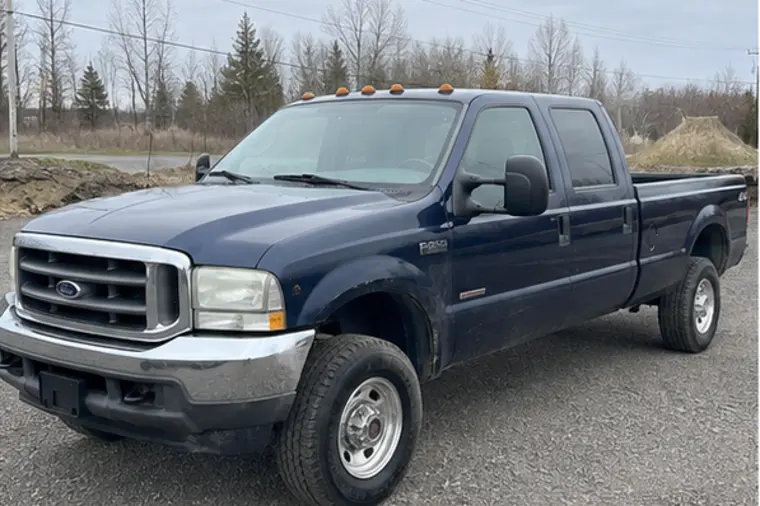
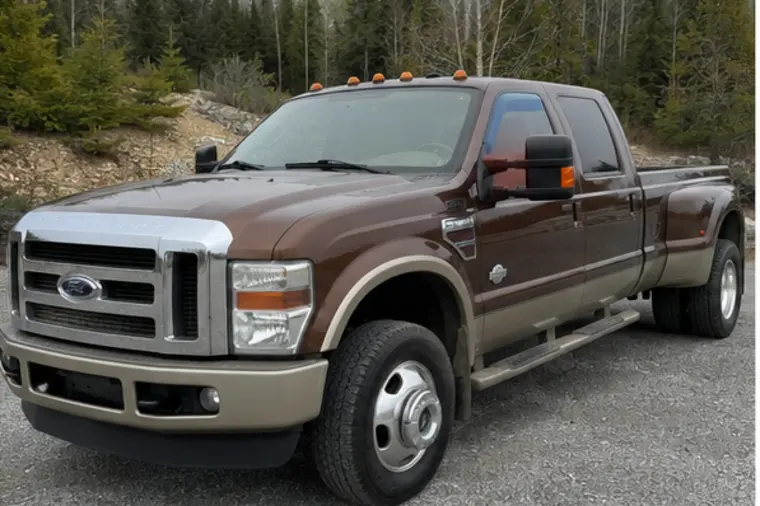
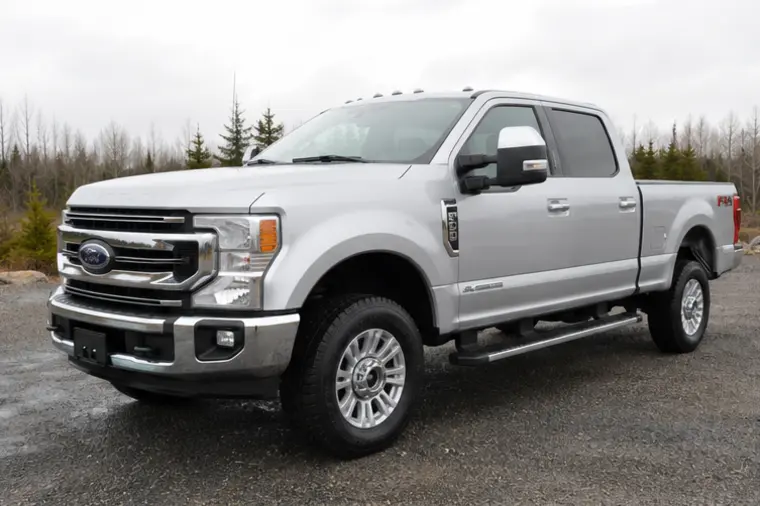
Power Stroke is an engine-family name, not a transmission specification. Ford Super Duty transmission pairings and calibrations change across model years and applications.
Documented reference points
These are documented reference points, not an exhaustive interchange list or proof of the gearbox in a particular used vehicle. Record the factory configuration, installed-unit identity and any replacement invoice.
| Reference application | What the cited document establishes | Buying implication |
|---|---|---|
| 2011 Ford diesel supplement | Its maintenance section refers to a six-speed TorqShift automatic | Use the matching six-speed service information rather than a later guide |
| 2024 Super Duty pickup guide | A ten-speed automatic is standard across the listed pickup models | Keep the later pickup powertrain context separate from an earlier truck |
| Chassis-cab or replaced transmission | Requires its own year/application and installed-component evidence | A pickup brochure cannot identify an upfitted truck's complete specification |
Read a transmission invoice properly
A fluid service, valve-body repair, torque-converter replacement and complete remanufactured transmission are different scopes of work. Ask what complaint led to the visit, what tests were performed and whether the same symptom returned. Retain the part or assembly identity, date, kilometres and warranty paperwork where applicable.
“Built transmission” is not a standardized specification. Ask for the actual parts and calibration work, installer and intended use. Engine tuning, tire changes and gearing can change the context in which the transmission is operating; disclose them to the inspecting shop.
Make the road test reproducible
Do not perform a stall test, aggressive acceleration or an improvised loaded towing test during a buying visit. A technician should connect observations to the correct diagnostic procedure. A single harsh shift is a reason to investigate, not a remote diagnosis of a failed unit.
| Observation | Information to retain |
|---|---|
| Engagement from stationary | Whether cold or warm, delay or impact, and any message |
| Ordinary upshifts and downshifts | Approximate speed, throttle demand, temperature display and repeatability |
| Tow/haul or exhaust-brake use, if fitted | Selected mode and whether behaviour agrees with the applicable manual |
| Leak or temperature concern | Location, conditions and previous cooling-system or line repairs |
Plan for the actual truck's use
Ask whether it towed regularly, plowed, carried an upfit or accumulated stationary hours. Match maintenance to the relevant manual and service history. Price unresolved diagnostic work separately from routine fluid service. For a commercial buyer, ask the local shop about support for the identified unit and a realistic repair plan before counting on the truck for dispatch.
Continue into the right research
Pair this transmission file with the exact Super Duty generation and Power Stroke guide. If the engine was replaced, do not assume the transmission was replaced at the same time. If a seller claims a later gearbox conversion, require installation and compatibility evidence before applying the later truck's operating or towing information.
Evidence note: manufacturer documents establish the specific facts and applications cited. Buying workflows and cost scenarios are DieselTrucks.ca editorial guidance. These pages do not publish measured failure rates or confirm the condition, recall status or capacity of a particular truck.
General educational content for Canadian diesel-pickup research. Verify the exact truck, model year, certification labels, owner manual and manufacturer documentation, and obtain qualified mechanical or towing advice where appropriate.
Sources & Further Verification
Use the exact model year, VIN, truck labels and current manufacturer documentation when moving from general research to a purchase or towing decision.